


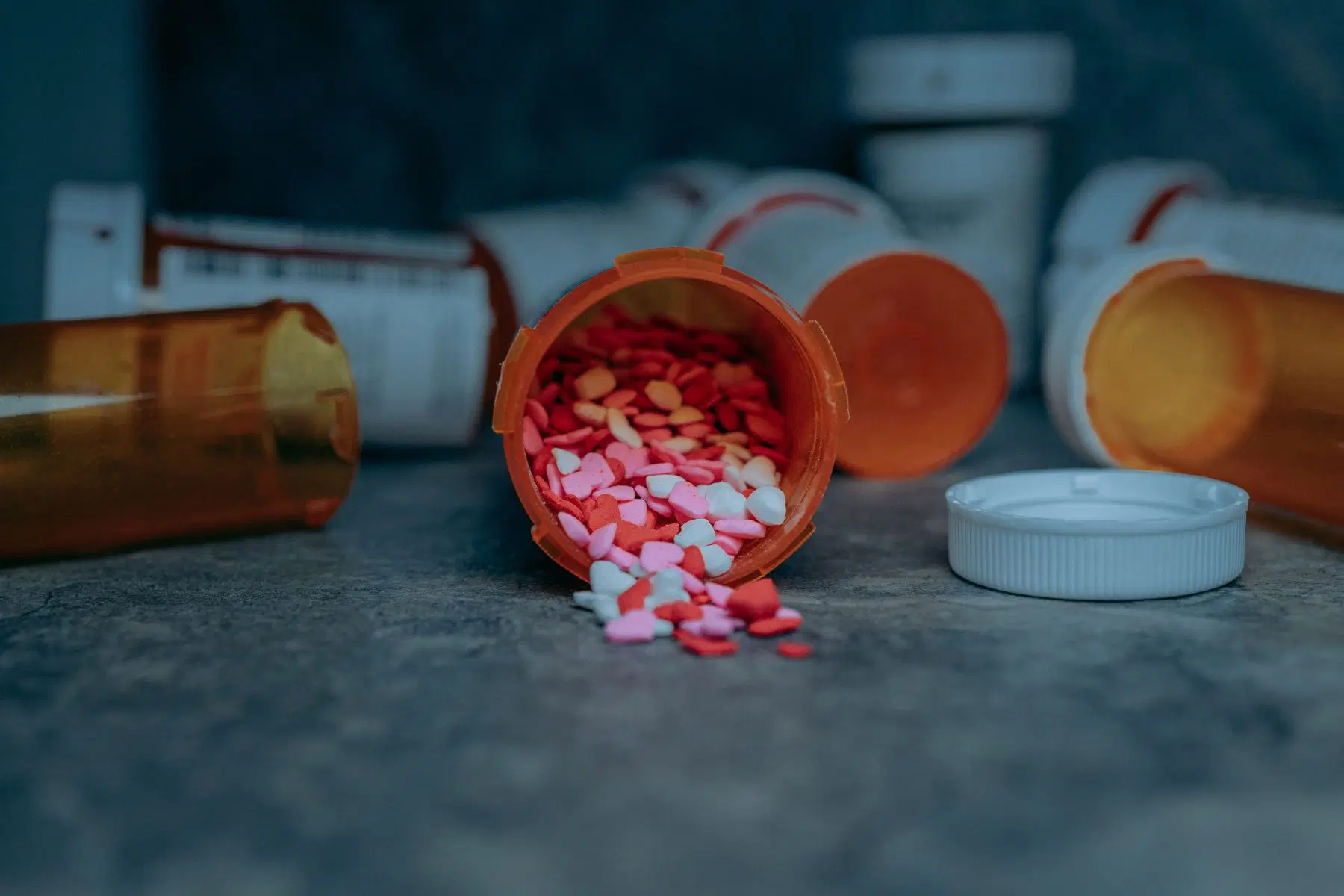
Still Keeping Old Prescription Bottles? Here's What You Should Know


It seems harmless, but those forgotten containers can create problems involving medication safety, personal privacy, and even unnecessary healthcare expenses.
For older adults managing multiple prescriptions, the risks can be particularly concerning. An outdated medication bottle could lead to confusion about current prescriptions, while leftover pills may be accidentally taken long after they were prescribed.
Before tossing everything into the trash, there are several important things to understand about old prescription bottles, including how to dispose of medications safely and protect the personal information printed on their labels.
Old Prescription Bottles Can Cause Medication ConfusionKeeping old prescription bottles alongside medications you currently take can make it harder to distinguish between active prescriptions and discontinued treatments. This becomes especially concerning for older adults who take several medications or have prescriptions that change following medical appointments. According to the National Institute on Aging, older adults should maintain an updated medication list and review their medicines with healthcare professionals. Imagine accidentally reaching for an outdated blood pressure prescription because the bottle looks nearly identical to the one you currently use. Separating active medications from discontinued prescriptions and promptly disposing of unneeded medicines can help reduce these avoidable mistakes.
Leftover Prescription Medications Aren't Necessarily Safe to ReuseSome people keep leftover antibiotics or pain medications because they believe the medicine might be useful again someday. However, a prescription written for one medical condition may be inappropriate or unsafe for a different illness or injury. The FDA advises consumers to properly dispose of unused medications rather than keeping them indefinitely. Antibiotics should never be saved for a future infection or shared with another person because inappropriate use can contribute to antibiotic resistance and treatment failures. Before taking any leftover prescription medication, consult your healthcare provider rather than assuming a previously prescribed treatment is still appropriate.
The Labels Contain More Personal Information Than You ThinkMost old prescription bottles display your full name, medication information, pharmacy details, prescription number, and sometimes your doctor's name. Although this information alone generally isn't enough to steal someone's identity, it can expose sensitive medical details and potentially support targeted scams or impersonation attempts. Someone who discovers a discarded prescription bottle might learn about a medical condition or use pharmacy information to make a fraudulent phone call seem more convincing. You should remove personal information from prescription labels before disposing of medication packaging. Before recycling or throwing away an empty bottle, remove the label or thoroughly obscure identifying details so they cannot be easily read.
Throwing Prescription Pills in the Trash Requires PrecautionsMany people assume unwanted medications can simply be dumped into the garbage along with ordinary household waste. However, the FDA's medication disposal guidance recommends using an authorized drug take-back option whenever one is readily available. If no take-back option is available, most medicines can be mixed with used coffee grounds, dirt, or cat litter, placed in a sealed container or bag, and discarded in household trash. The FDA also recommends removing personal information from empty prescription bottles or packaging before disposal. These precautions help reduce the likelihood that children, pets, or other people will accidentally encounter discarded medications.
Some Medications Have Special Disposal InstructionsNot every medication should be handled the same way when it's time to dispose of it. Certain medicines may pose serious dangers if accidentally taken by someone for whom they weren't prescribed. For medications on that list, flushing is recommended only when a drug take-back option isn't readily available. Most medications should not be flushed because improper disposal can introduce pharmaceutical substances into water systems. Checking the specific medication's disposal instructions is especially important when cleaning out old prescription bottles containing powerful pain medications or other potentially dangerous drugs.
Pharmacies May Offer a Safer Disposal OptionIf you're unsure what to do with leftover medication, your local pharmacy may be able to help. Some pharmacies maintain secure drug collection kiosks or participate in programs that accept unused prescription medications for proper disposal. The Drug Enforcement Administration also coordinates National Prescription Drug Take Back Day events and provides information about authorized collection locations. Accepted medications and packaging requirements can vary by collection site, so check the location's instructions before bringing in bottles, liquids, or other products. Using an authorized collection program can eliminate much of the uncertainty involved in deciding how to discard unwanted prescriptions.
Keeping Old Medications Can Create Unexpected Financial CostsHolding onto discontinued prescriptions may seem like a money-saving decision, particularly when medications are expensive. However, taking an outdated or inappropriate medicine can potentially lead to side effects, treatment complications, or additional healthcare visits that cost considerably more than the original prescription. Confusion between old and current medications can also result in duplicate treatments or incorrect dosing, particularly when several physicians prescribe medications. The CDC highlights the importance of medication safety because medication-related harm can lead to emergency department visits and hospitalizations. A regular medication review with your pharmacist or physician can help identify unnecessary prescriptions, possible interactions, and opportunities to reduce medication expenses safely.
Empty Bottles Can Sometimes Be Reused, but Be CarefulSome households save empty prescription bottles for storing small household items such as buttons, screws, or craft supplies. Reusing a completely empty, thoroughly cleaned bottle for nonmedical purposes may be reasonable, provided the original prescription label has been removed and the container cannot be confused with medicine. However, old bottles shouldn't be used to store new prescription medications without appropriate labeling and guidance from a pharmacist. Medication packaging often contains important dosing instructions, warnings, and identification details that could be lost when pills are transferred between containers. If you're considering reusing old prescription bottles, make sure they are completely empty, cleaned appropriately, and kept away from children.
A Simple Medicine Cabinet Cleanout Could Prevent Bigger ProblemsYou don't need to throw away every empty prescription container immediately, but you should know exactly what medications are still in your home. Start by reviewing your medicine cabinet, separating active prescriptions from discontinued treatments, and checking expiration dates on medications you no longer use. Ask your pharmacist about proper disposal options and whether any medications require special handling. Keep an updated medication list that includes prescription drugs, over-the-counter products, and supplements so healthcare providers can identify potential problems. Managing old prescription bottles responsibly can help protect your health, reduce confusion, safeguard personal information, and prevent avoidable medical expenses.
Do you keep old prescription bottles after finishing your medication, or do you dispose of them immediately? Have you ever discovered forgotten prescriptions while cleaning out your medicine cabinet? Share your experiences in the comments!

Legal Disclaimer:
MENAFN provides the
information “as is” without warranty of any kind. We do not accept
any responsibility or liability for the accuracy, content, images,
videos, licenses, completeness, legality, or reliability of the information
contained in this article. If you have any complaints or copyright
issues related to this article, kindly contact the provider above.


Comments
No comment