


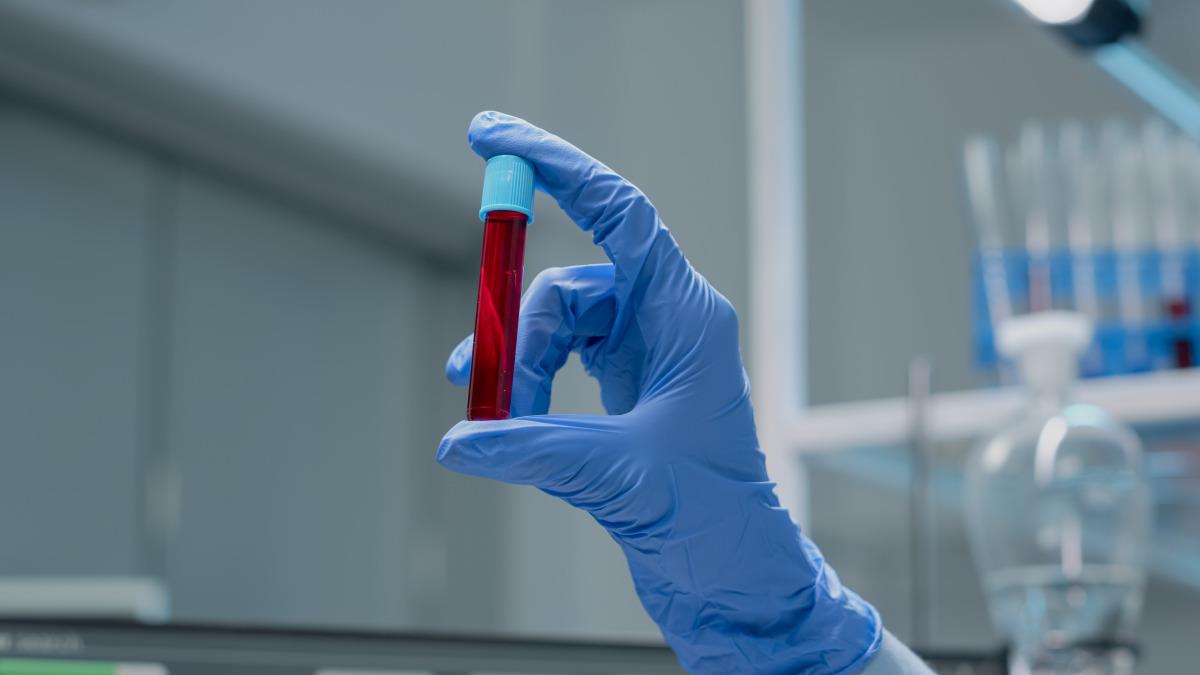
Studies Show Potential Of Blood Tests And Imaging To Detect Liver Fibrosis


London: Two international studies have highlighted the potential of blood tests and non-invasive imaging to diagnose metabolic dysfunction-associated fatty liver disease and assess liver fibrosis, reducing the need for biopsies.
Published in The Lancet and Nature Medicine under the international LITMUS research program, the studies involved more than 1,850 patients and assessed non-invasive diagnostic methods.
The findings showed that SOMAscan protein analysis, magnetic resonance elastography (MRE), FibroScan, and blood tests including ELF and ADAPT performed well in detecting and assessing advanced fibrosis.
One study also found that gamma-glutamyl transferase (GGT) could distinguish between fibrosis stages, outperforming the widely used FIB-4 index in some assessments.
Researchers said the findings support a stepwise approach, starting with simple blood tests and using specialized scans when needed to identify patients requiring referral to liver specialists.
The studies are significant as metabolic dysfunction-associated fatty liver disease affects about one-third of adults worldwide.
However, researchers said further studies are needed before these tests can be widely adopted as alternatives to liver biopsies.

Legal Disclaimer:
MENAFN provides the
information “as is” without warranty of any kind. We do not accept
any responsibility or liability for the accuracy, content, images,
videos, licenses, completeness, legality, or reliability of the information
contained in this article. If you have any complaints or copyright
issues related to this article, kindly contact the provider above.


Comments
No comment