


Kotak Equities Raises Crude Oil Price Forecast Amid West Asia Conflict


Kotak Equities Revises Oil Forecast
Kotak Institutional Equities has raised its crude oil price assumption for FY2027 to USD 100 per barrel from USD 90 per barrel, citing prolonged supply disruptions caused by the West Asia conflict, which has continued for eight months with limited visibility on when normalcy may return. The brokerage, however, retained its crude oil price assumption at USD 75 per barrel for FY2028 and the long term, expecting prices to ease in the second half of FY2027 if hostilities do not intensify further and supply flows continue to normalise.
Impact of Conflict on Global Markets
In its latest report, Kotak said the conflict had resulted in one of the largest oil supply disruptions in recent history. Despite the scale and duration of the disruption, global oil markets had shown resilience and remained largely well managed. "While we remain optimistic about normalization and softer oil prices, this higher price trajectory leads us to raise our FY2027 assumption to USD 100/bbl from USD 90/bbl. We retain USD 75/bbl for FY2028E," it said.
Escalating Tensions and Price Trends
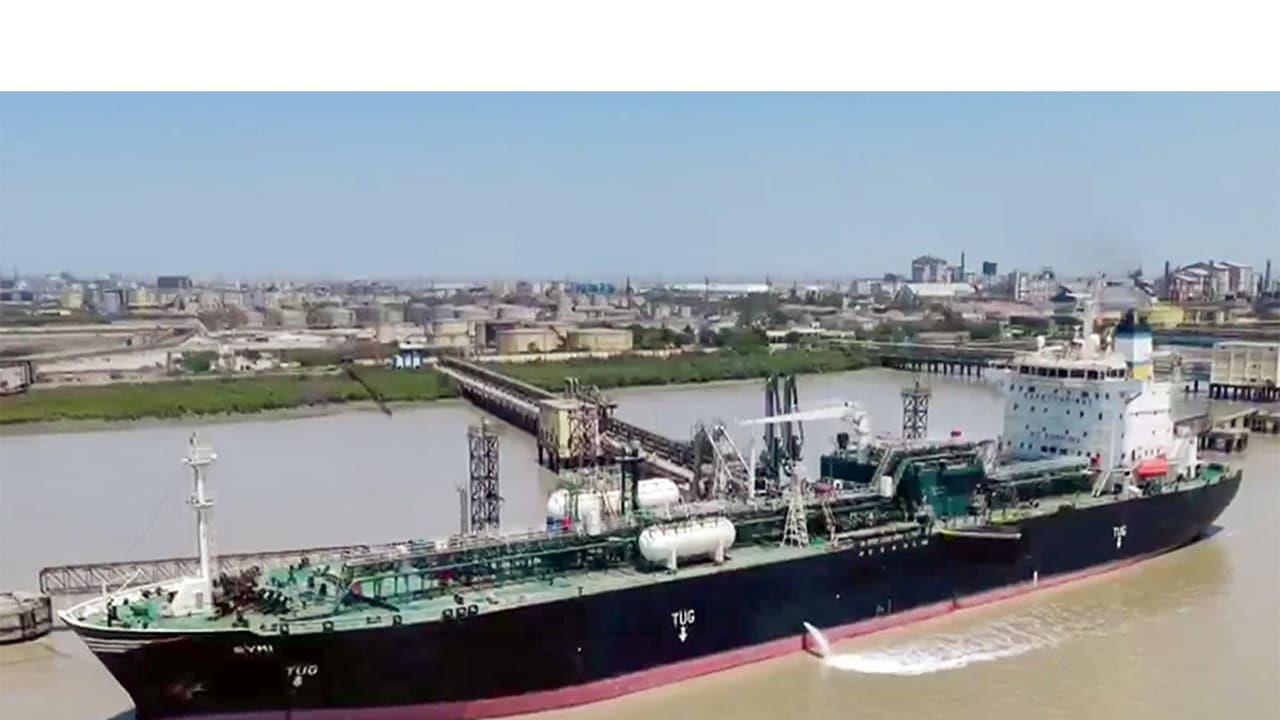
Renewed attacks on Saudi infrastructure and oil tankers in the Strait of Hormuz have escalated tensions, pushing crude oil prices to six-month highs recently. Freight rates for crude oil and product tankers have also reached multi-year highs, according to the report.
The report said Brent crude had averaged nearly USD 104 per barrel so far in FY2027 and was trading at USD 128 per barrel at the time of its assessment. Dated Brent averaged USD 126 per barrel in October so far, while the average for FY2027 to date stood at USD 104 per barrel. Despite the recent increase in prices, the report expects crude oil prices to soften in the second half of FY2027, provided the conflict does not escalate further, and supply flows continue to recover.
The report noted that oil flows through the Strait of Hormuz had recovered significantly, even as renewed attacks had increased uncertainty over the outlook for energy supplies. It said the prolonged disruption and the latest rise in prices had prompted it to revise its near-term assumption, while its longer-term outlook remained unchanged. The forecast given in the report therefore reflects a higher expected average crude oil price for FY2027, alongside its expectation that prices could ease as supply conditions normalise. Its outlook remains dependent on the course of the conflict and the recovery in global oil supply.
(Except for the headline, this story has not been edited by Asianetnews Editorial staff and is published from a syndicated feed.)

Legal Disclaimer:
MENAFN provides the
information “as is” without warranty of any kind. We do not accept
any responsibility or liability for the accuracy, content, images,
videos, licenses, completeness, legality, or reliability of the information
contained in this article. If you have any complaints or copyright
issues related to this article, kindly contact the provider above.


Comments
No comment