


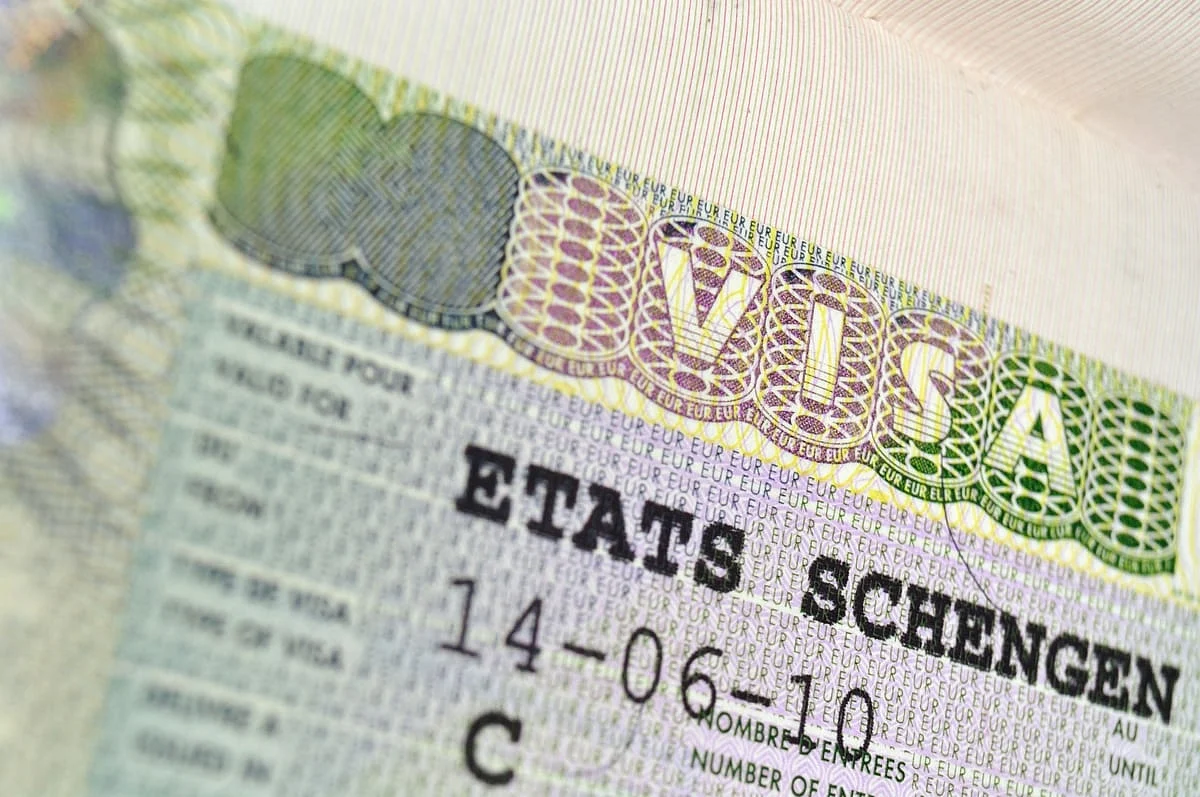
Visa And Entry Rules Discourage 43% Of Middle East Travellers, Says Iata


The global aviation body said cost is cited more often in the Middle East than in other regions as a reason for being deterred, although complexity remains the leading concern.
Recommended For YouStay up to date with the latest news. Follow KT on WhatsApp Channels.
Globally, the share of passengers put off by entry rules has risen to 43 per cent from 33 per cent in 2025. Of those, 53 per cent said the process was too complex, while privacy and cost were each cited by 17 per cent.
Digital passportThe region's travellers are also the most receptive to the technology that could ease the process.
Some 91 per cent of Middle East passengers are interested in using a digital passport for online check-in, the highest of any region and compared with 84 per cent globally. A further 84 per cent would share biometric data for airport processes, against 78 per cent worldwide, and 72 per cent have used AI for travel planning, against 49 per cent globally.
Overall satisfaction with air travel in the Middle East stands at 90 per cent, up two points on 2025 and level with Asia-Pacific as the highest of any region. IATA also said satisfaction among biometric users in the Middle East is the highest across the regions.
Appetite is not yet matched by experience, however. The share of Middle East travellers who experienced biometrics in the past year fell six points to 61 per cent, while the global figure rose eight points to 58 per cent. North America recorded the highest level, at 63 per cent.
Travellers in the Middle East are the most likely in the world to use artificial intelligence (AI) to plan their trips, with 72 per cent having done so against a global average of 49 per cent, according to the 2026 Global Passenger Survey (GPS).
The region also recorded the highest interest in digital passports and the greatest willingness to share biometric data. Some 91 per cent of Middle East travellers are interested in using a digital passport for online check-in, compared with 84 per cent globally. A further 84 per cent would share biometric data for airport processes, against 78 per cent worldwide.
ALSO READ- Global airports hit record 9.8 billion passengers; Middle East traffic drops 21% in 2026 Middle East tourism spending to rise 57% to $408 billion by 2030 Dubai airport upgrades: DXB plans more self-service options, smoother remote departures

Legal Disclaimer:
MENAFN provides the
information “as is” without warranty of any kind. We do not accept
any responsibility or liability for the accuracy, content, images,
videos, licenses, completeness, legality, or reliability of the information
contained in this article. If you have any complaints or copyright
issues related to this article, kindly contact the provider above.


Comments
No comment