


Cancer Surgery From 35 Miles Away: How A Florida Doctor Used A Robotic System - But Safety Questions Remain Details


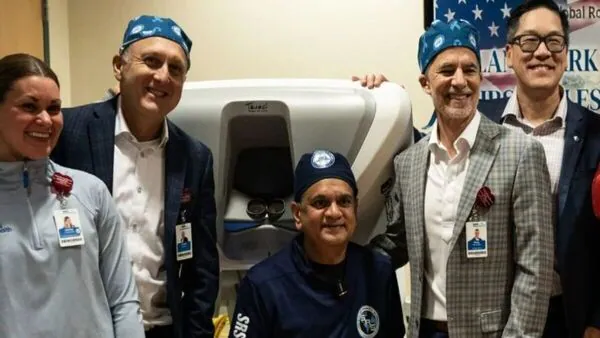
Dr Vipul Patel, founder and medical director of the Global Robotics Institute at AdventHealth Celebration in Celebration, Florida, near Orlando, used a robotic telesurgery system to remove the prostate of a 66-year-old man with cancer on Sunday.
According to the news outlet, the patient was in an operating room at AdventHealth Minneola, while Patel controlled the surgical instruments remotely from AdventHealth Celebration, located 35 miles away.
A qualified surgeon was also present in the operating room with the patient during the procedure, AdventHealth said. The hospital told ABC News that the patient was recovering well after the surgery.
FDA-authorised study to examine remote surgeryThe procedure was part of a clinical research study authorised by the US Food and Drug Administration (FDA) to assess whether robotic telesurgery could be implemented more widely.
The technology allows a surgeon to control robotic surgical instruments from a separate location, potentially enabling patients to receive specialised treatment without travelling to hospitals where specialist surgeons are based.
Patel said the research could help address geographical barriers that have historically limited access to specialised medical care.
“For generations, access to highly specialized care has often depended on where a patient lives,” Patel said in a statement shared by AdventHealth.
“This study allows us to evaluate whether telesurgery could one day help reduce geographic barriers to specialized treatment,” he added.
However, Patel cautioned that important questions surrounding the technology's safety, effectiveness and technical performance remain under investigation.
Could robotic telesurgery expand access to specialist care?If proven safe and effective, remote robotic surgery could potentially allow specialists to treat patients at hospitals located far from their own medical centres. This could be particularly significant for people living in rural or underserved areas, where access to highly specialised surgeons may be limited.
The procedure also highlights the role of robotic systems and remote-control technology in expanding the reach of modern healthcare.
However, the operation does not mean that an on-site medical team can be dispensed with. A qualified surgeon was present with the patient during the procedure, according to AdventHealth.
The FDA-authorised clinical study will help assess whether this approach can be used more broadly. Its wider adoption will depend on evidence about patient outcomes, safety and the reliability of the technology.
For now, the procedure represents a significant milestone in the development of telesurgery, while questions about its wider clinical use remain open.
Also Read | Khvicha Kvaratskhelia set for surgery after ACL rupture, Ronaldo reacts
Legal Disclaimer:
MENAFN provides the
information “as is” without warranty of any kind. We do not accept
any responsibility or liability for the accuracy, content, images,
videos, licenses, completeness, legality, or reliability of the information
contained in this article. If you have any complaints or copyright
issues related to this article, kindly contact the provider above.


Comments
No comment