


Rats, Mould, Overcrowded Classrooms Spark Protests In France: What Has Been Done So Far?


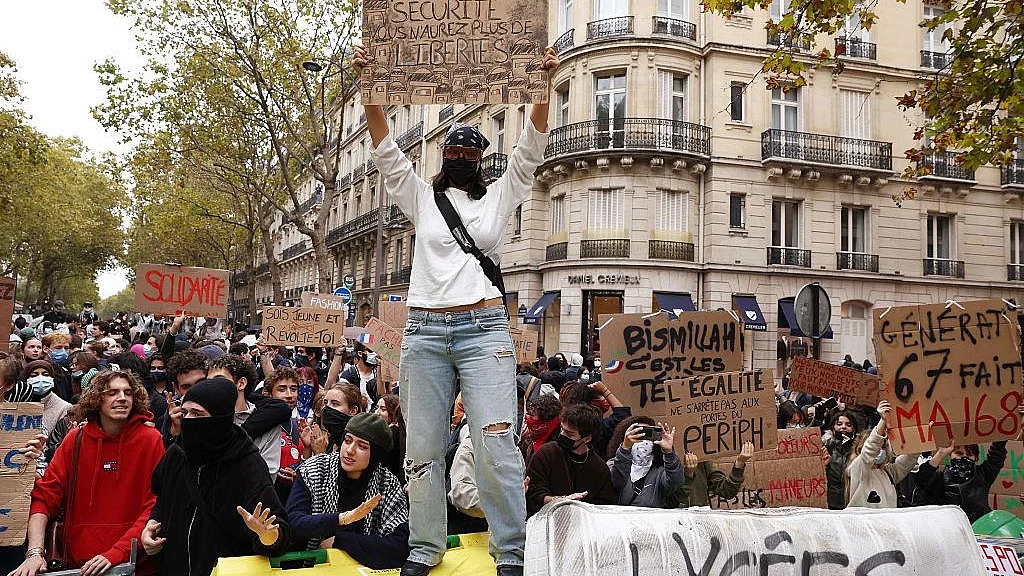
What began in September with demonstrations at schools around Paris has spread across the country, drawing support from university students, teachers, parents and trade unions.
Recommended For YouNow, the French government has promised billions of euros in funding and changes to the education system. But student leaders say the measures do not go far enough.
Stay up to date with the latest news. Follow KT on WhatsApp Channels. What are students complaining about?
Students say some schools have deteriorating buildings, overcrowded classrooms and too few teachers.
At Paul-Eluard high school in Saint-Denis, near Paris, pupils have reported damaged ceilings, rats, cockroaches and inadequate heating and cooling. Students at other schools have described water leaks, broken furniture and classrooms that become extremely hot during summer.
During demonstrations in Nîmes, students told French newspaper Le Monde that some classes had 36 pupils, with temperatures reaching 40°C.
The complaints have raised concerns about whether students in poorer neighbourhoods have the same opportunities as those attending better-funded schools.
Long school days are another problemThe protests are not only about damaged buildings. Many students are also unhappy with their daily schedules, including early starts, long gaps between lessons and heavy workloads.
In a government consultation conducted in October, timetables were mentioned in 70 per cent of the responses examined. School buildings and their ability to cope with extreme temperatures were the second most common concern, appearing in 48.2 per cent of responses.
Students have also criticised Parcoursup, the online platform used to apply for university places, arguing that the admissions process is difficult to understand and creates additional stress.
How did the protests spread?The movement began in September at a high school in Créteil, southeast of Paris, where students protested over staff shortages. Other schools soon joined, with pupils blocking entrances, boycotting classes and organising demonstrations.
By early October, hundreds of schools had been affected. On October 6, more than 266,000 people demonstrated across France, according to official figures reported by the Associated Press.
The protests later expanded beyond education, bringing together people concerned about living costs and public services.
Some demonstrations have also involved clashes with police, property damage and arrests. Rights groups and student organisations have raised concerns about the treatment of young protesters, while authorities have defended security measures and condemned violence.
What has the government promised?The French government has announced a package of measures intended to address students' concerns. These include €4 billion in loans for school renovations and €1 billion for university campuses.
Officials have also promised smaller classes in disadvantaged areas, additional teaching positions and 15,000 more places in higher education. Another major proposal involves Parcoursup, which the government plans to replace by 2028.
The changes follow weeks of pressure from students demanding better conditions and a fairer education system.
Why are students still protesting?Despite the announcements, student representatives say the government's response does not fully address their demands. They argue that schools need immediate improvements, particularly where students are studying in overcrowded or poorly maintained buildings.
There are also concerns about whether the promised funding will be enough and how quickly changes will reach individual schools.
Student leaders have called for demonstrations to continue, keeping pressure on the government to deliver concrete improvements.
For many of the teenagers involved, the issue goes beyond politics. They want classrooms where they can concentrate, teachers who are available when needed and school buildings that are safe and comfortable throughout the year.
And after weeks of demonstrations, they are determined to make sure those demands are heard.
ALSO READ- France school protests triggered by teacher shortages, school conditions, police clashes From tragedy to victory: How students changed Serbia's political landscape They have jobs but cannot afford homes: Why Spain's housing crisis is getting worse

Legal Disclaimer:
MENAFN provides the
information “as is” without warranty of any kind. We do not accept
any responsibility or liability for the accuracy, content, images,
videos, licenses, completeness, legality, or reliability of the information
contained in this article. If you have any complaints or copyright
issues related to this article, kindly contact the provider above.


Comments
No comment