


How Gen Z And Whatsapp Helped Lula Make A Historic Comeback In Brazil


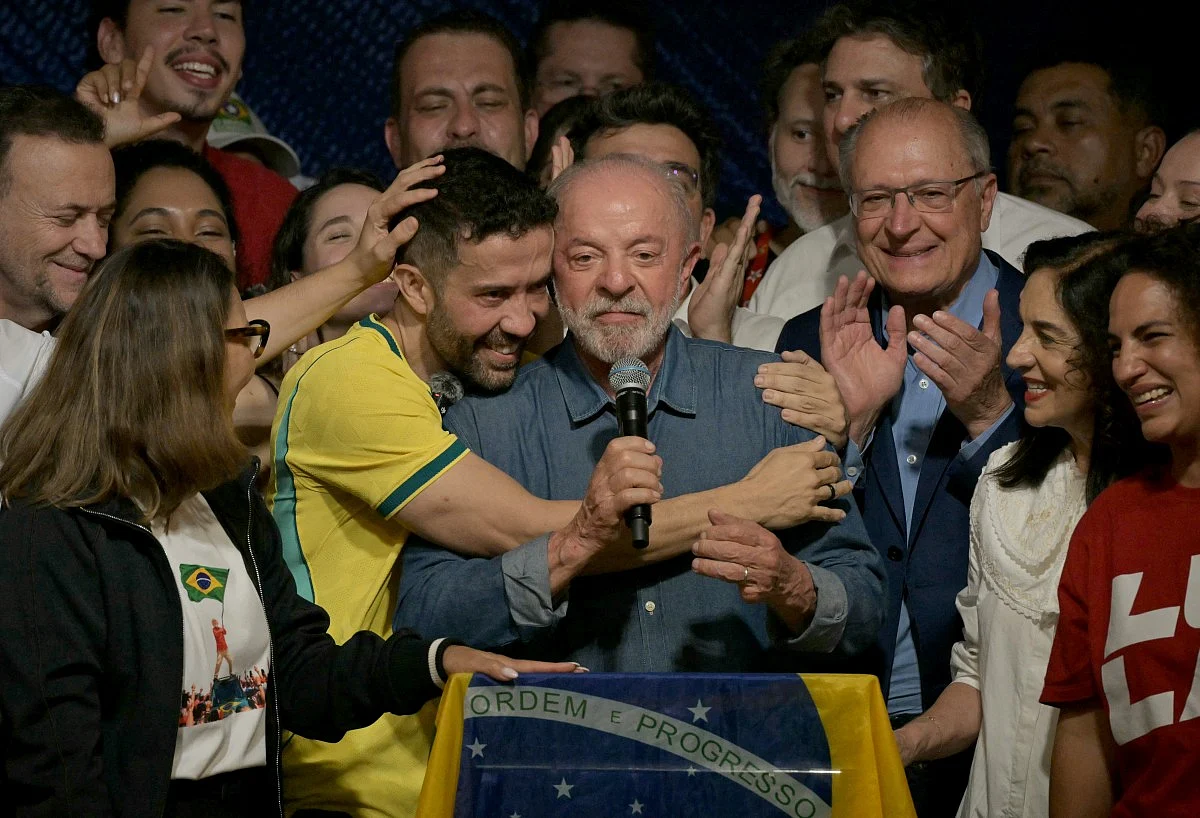
Luiz Inacio Lula da Silva secured a fourth presidential term on Sunday, October 25, defeating Senator Flavio Bolsonaro (eldest son of former President Jair Bolsonaro ) after trailing him in the first round just three weeks earlier.
Recommended For YouLula won 51.79 per cent of valid votes, compared with Bolsonaro's 48.21 per cent, according to Brazil's electoral authorities. While the result was shaped by several political and economic factors, analysts say an unexpected wave of youth mobilisation helped change the direction of the campaign.
Stay up to date with the latest news. Follow KT on WhatsApp Channels. Young people take to the streets
After Lula finished behind Bolsonaro in the first round on October 4, students and young activists began organising demonstrations across Brazil. Protests spread through cities including Rio de Janeiro and Sao Paulo, bringing together people concerned about the country's political future.
Anaïs Fléchet, a historian specialising in Brazil, told French newspaper Le Monde that the mobilisation was largely spontaneous and surprised even senior figures in Lula's Workers' Party.
The demonstrations helped bring new energy to a campaign that had struggled to connect with younger voters. But the movement did not remain on the streets.
WhatsApp network with millions of supportersOne of the most unusual features of the election was a WhatsApp network known as Lula's Army. Created by Brazilian lawmaker André Janones, the network attracted more than 10 million participants during the campaign.
Supporters were encouraged to share videos, circulate campaign messages and promote discussions across social media platforms.
According to Fléchet, the network reached approximately 10.8 million participants, compared with around 2.1 million in a similar online group supporting Bolsonaro. The figures show the scale of the digital mobilisation, although they do not establish how many votes were directly influenced by it.
How Lula changed his online strategyLula also began communicating with voters in a more informal way. Instead of relying mainly on traditional political speeches, the president appeared in selfie-style videos and short social media messages.
His campaign increasingly used online content to reach supporters and encourage participation. The change was particularly notable for a political leader who had previously been reluctant to use smartphones and social media. The strategy helped his campaign compete in an online environment where right-wing political movements had long been influential.
Did social media win the election?Not on its own. Lula received approximately 64.3 million votes in the second round, compared with 53.9 million in the first.
Voter participation also increased between the two rounds. Analysts point to a combination of online campaigning, street demonstrations, social policies and efforts to persuade undecided voters.
His government had also announced measures aimed at easing financial pressure on households, while concerns about Bolsonaro's policies influenced the campaign.
The election cannot be explained by a single social media platform or generation. However, the mobilisation demonstrated how digital networks and real-world political activity can reinforce one another.
Why Brazil's young voters matter beyond this electionThe campaign also reflects wider changes in how Brazilians receive information. According to the Reuters Institute's 2026 Digital News Report, Instagram and WhatsApp are among the country's leading platforms for news, while TikTok has become increasingly important among younger audiences.
The report also found that 19 per cent of Brazilians under 25 use AI chatbots to access news. These changing habits are creating new challenges for political parties seeking to connect with younger generations.
For Lula, the challenge now is to maintain that engagement beyond the election. Despite his victory, he faces a Congress with strong right-wing representation, which could make it difficult to advance his political agenda. His comeback has shown how young people can help revive a struggling campaign. Whether that energy translates into lasting political influence remains to be seen.
Watch Lula and his supporters celebrate below:
ALSO READ- Brazil President Lula da Silva wins fourth term in dramatic comeback India PM Modi's BJP replaces social media head weeks after youth protests India's Gen Z protests score victory, denting Modi's aura ahead of key state polls

Legal Disclaimer:
MENAFN provides the
information “as is” without warranty of any kind. We do not accept
any responsibility or liability for the accuracy, content, images,
videos, licenses, completeness, legality, or reliability of the information
contained in this article. If you have any complaints or copyright
issues related to this article, kindly contact the provider above.


Comments
No comment