


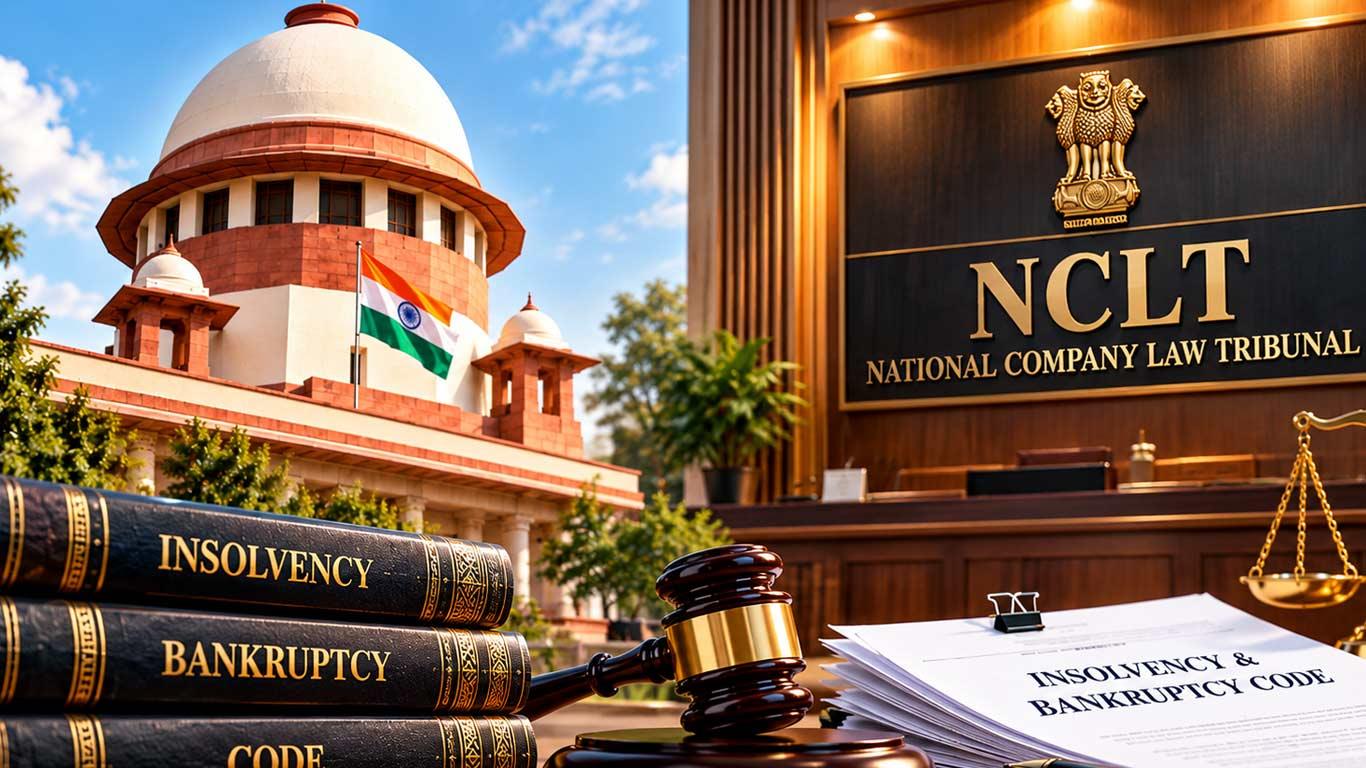
Coc Cannot Withdraw Approved Resolution Plan After NCLT Submission Over Improved Corporate Debtor Finances: SC


A bench of Justice JB Pardiwala and Justice K Vinod Chandran upheld the National Company Law Appellate Tribunal's (NCLAT) decision rejecting the CoC's withdrawal request.
The Court observed that improved profitability alone cannot be a ground for refusing approval if the Resolution Plan meets the requirements under sub-section (2) of Section 30.
The ruling came on an appeal by Bank of India and other financial creditors against the NCLAT order.
Dispute Over Improved Financial Position
The CoC had approved a Rs 172.55-crore resolution plan submitted by a consortium of successful resolution applicants when the corporate debtor was facing financial difficulties due partly to the COVID-19 impact on its toll-collection business.
During delays in implementation, the corporate debtor's opening balance reportedly increased from Rs 30 crore to Rs 165 crore.
The CoC argued that this improvement would give the successful resolution applicant (SRA) an undue benefit by reducing its required capital infusion. It sought withdrawal of the plan and a fresh Form G inviting expressions of interest.
Separately, the corporate debtor's holding company sought termination of the corporate insolvency resolution process (CIRP), offering a one-time settlement (OTS) to creditors.
While the NCLT initially allowed the withdrawal request with unanimous CoC support, the NCLAT set aside the order and directed it to consider the pending applications for approval of the resolution plan and the OTS proposal.
IBC Bars Withdrawal After Plan Submission
Upholding the NCLAT, the Supreme Court, in a judgment authored by Justice Chandran, held that the Insolvency and Bankruptcy Code (IBC) does not permit the CoC or the SRA to withdraw or modify an approved resolution plan after its submission to the adjudicating authority.
Referring to Ebix Singapore Pvt Ltd v. Committee of Creditors of Educomp Solutions Ltd., the bench said Section 12A, which allows withdrawal of insolvency proceedings with 90 per cent CoC approval, must be read with Sections 30 and 31.
It clarified that withdrawal is permissible only before the CoC approves the resolution plan and submits it to the NCLT. Thereafter, neither the insolvency application nor the approved plan can be withdrawn.
NCLT to Decide Plan Approval and OTS
The Court clarified that its observations, except on the binding nature of the approved plan on the CoC and SRA, were prima facie and should not influence the NCLT's final decision.
It directed the NCLT to examine whether the plan meets Section 30(2) requirements, as mandated by Section 31(1), considering the corporate debtor's current financial position and cash balance. Improved profitability alone cannot justify refusing approval if the plan meets statutory requirements.
The Supreme Court disposed of the appeal and asked the NCLT to hear the resolution plan approval and OTS applications together and decide them expeditiously.
Impact on MSMEs
For MSMEs, the ruling protects successful resolution applicants from arbitrary withdrawal of approved plans, reduces delays and provides greater certainty to investors and creditors. However, it limits the flexibility of distressed MSMEs to renegotiate plans if their financial position changes, underscoring the need for careful assessment of resolution proposals.
(KNN Bureau)

Legal Disclaimer:
MENAFN provides the
information “as is” without warranty of any kind. We do not accept
any responsibility or liability for the accuracy, content, images,
videos, licenses, completeness, legality, or reliability of the information
contained in this article. If you have any complaints or copyright
issues related to this article, kindly contact the provider above.


Comments
No comment