


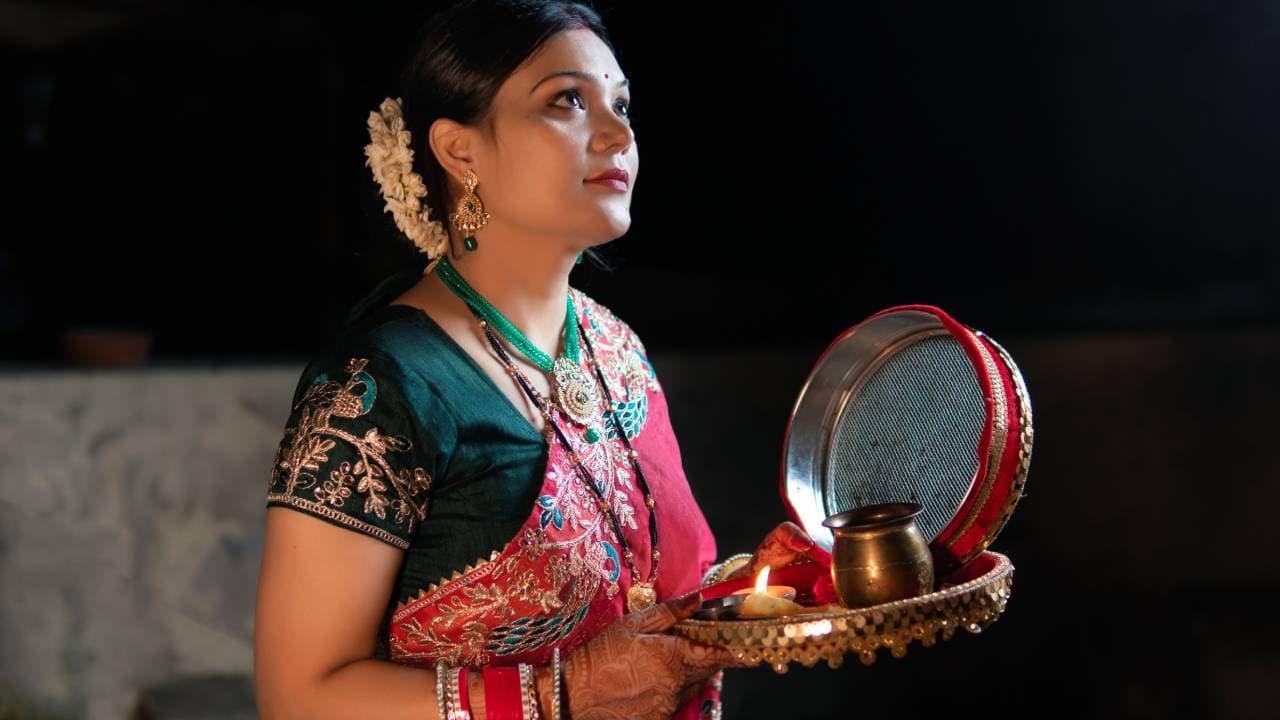
Karwa Chauth 2026: Can You Stop Keeping The Vrat? Know Udyapan Rituals


Karwa Chauth udyapan, performed on the fast day itself, is a traditional ceremony marking the formal completion of a religious vow. The procedure, often involves inviting married women, sometimes specified as thirteen.
Karwa Chauth will be observed on Thursday, 29 October 2026. Married Hindu women traditionally observe a fast for their husbands' well-being and longevity, with prayers offered in the evening and the fast completed after sighting the Moon. The date of Karwa Chauth is confirmed by the Hindu lunar calendar. According to Drik Panchang, the festival falls on 29 October this year, although puja and moonrise timings vary by location.
Some women who have observed the vrat for years may eventually wish to perform its Karwa Chauth udyapan, a ritual marking the completion of a religious vow. The Karwa Chauth vrat udyapan is performed on the same day as the day of fasting.
Udyapan refers to the ritual completion of a religious observance undertaken as a vow. In some Hindu traditions, devotees perform it after completing a chosen period of worship or fasting.
Some women observe Karwa Chauth for many years, while others follow a vow for a specified period, such as 16 years, according to family custom. Women who can no longer observe the fast may also seek guidance on completing their vow through a customary udyapan ceremony.
However, there is no single procedure followed by every Hindu family. The duration of the vow, the date of its completion and the rituals involved can differ by region and family tradition. The practice should therefore not be presented as a universal rule that every woman must follow.
- The materials used for the ceremony depend on the family's customs. The following items are mentioned in some traditional descriptions of Karwa Chauth udyapan: Puja thali and karwa (earthen or metal pot) Coconut, betel nuts and coins Roli, kumkum and turmeric Akshat (uncooked rice used in worship) Bangles, bindi, anklets and other traditional suhag items Sweets or ingredients for preparing a meal Items required for worshipping Lord Ganesha, Lord Shiva and Goddess Parvati
Families may add or omit items according to their established practice. It is advisable to confirm the list with a family elder or priest before arranging the ceremony.
Karwa Chauth vrat udyapan is performed on the same day as the Karwa Chauth vrat during the evening/puja time before or after breaking the fast. There are certain steps that you must follow diligently:
1. Invite married women
According to one commonly described traditional procedure, women invite 13 married women to participate in the ceremony. Some versions also mention keeping 13 karwas ready for distribution. These numbers are part of particular ritual traditions and are not universal requirements.
2. Prepare the food and puja arrangements
Prepare a meal according to family custom. Traditional menus may include puri, vegetables, halwa, kheer and sweets. Arrange the puja items and worship Lord Ganesha, Lord Shiva and Goddess Parvati, following the family's customary prayers.
3. Perform the puja
Offer prayers with devotion and, where customary, listen to or recite the Karwa Chauth vrat katha. Seek forgiveness for any mistakes made during the observance. The precise sequence of rituals should follow the tradition being practised.
4. Serve the invited women
Serve the meal to the invited women and offer them respect. In traditions that include the distribution of suhag items, women may give bangles, bindi, clothing or other gifts according to their means. Some procedures also include offering a karwa to each participant.
5. Complete the vow according to family tradition
Once the prescribed rituals and offerings have been completed, the family considers the udyapan ceremony concluded.
Those unsure about the correct procedure for their particular vow should consult a knowledgeable priest or family elder.
Some religious traditions hold that a vow should be formally completed through udyapan rather than simply discontinued. However, this belief is not a universal rule applicable to every woman or family.
Anyone considering ending a long-standing fast should seek guidance suited to their own tradition and circumstances. Religious observances should also take account of health and individual needs.
Disclaimer: The rituals described above are based on traditional religious practices and beliefs. Customs vary by region and family, and the information should not be taken as a claim that one procedure is mandatory for everyone.

Legal Disclaimer:
MENAFN provides the
information “as is” without warranty of any kind. We do not accept
any responsibility or liability for the accuracy, content, images,
videos, licenses, completeness, legality, or reliability of the information
contained in this article. If you have any complaints or copyright
issues related to this article, kindly contact the provider above.


Comments
No comment