


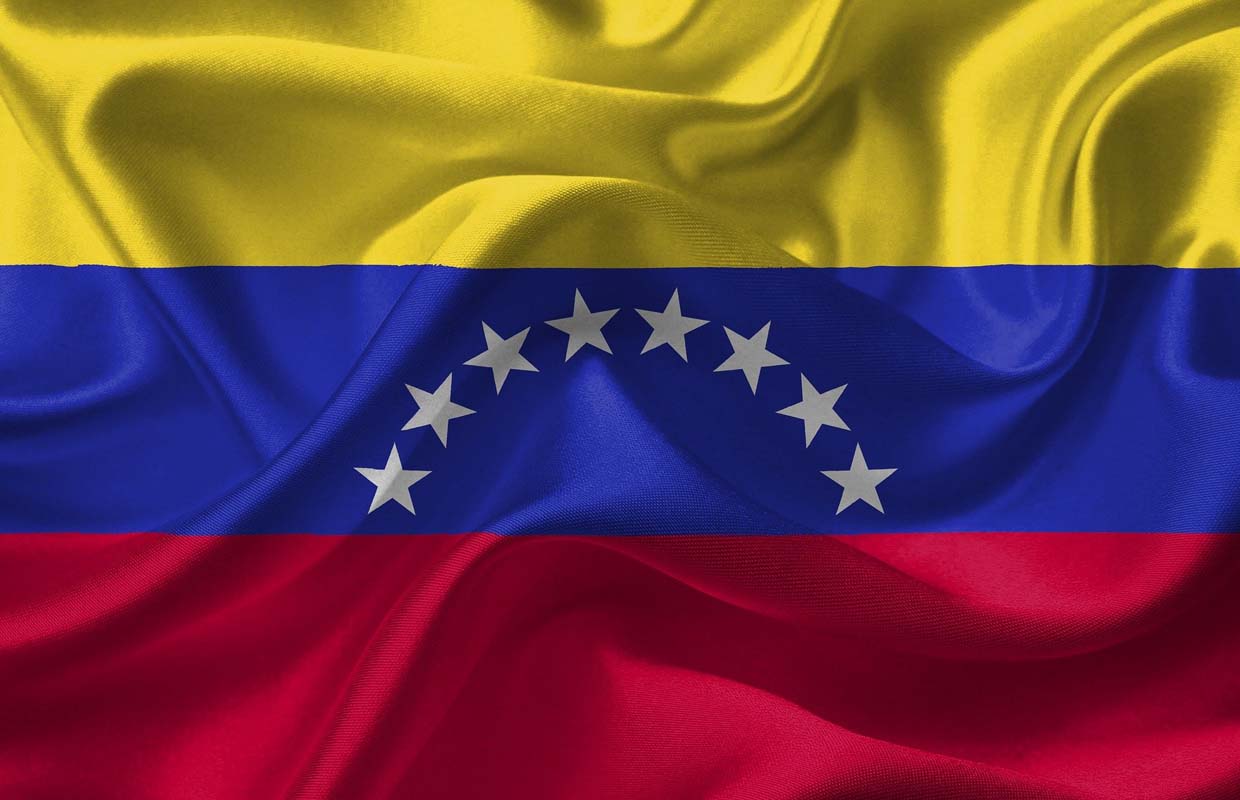
US Presses Venezuela to Rebuild Election Council Fast


(MENAFN) US Secretary of State Marco Rubio said Monday that Venezuela cannot hold a valid presidential vote until it overhauls the electoral system built under Nicolas Maduro, and that the work must happen “quickly.”
“That infrastructure has to be replaced in order for these elections to be valid,” Rubio told reporters in a teleconference. “Not in 10 years, not in five years, not in two years; it needs to happen quickly under the timelines that we’ve established.”
He pointed to the Supreme Justice Tribunal and the National Electoral Council, describing the current setup as “designed by the Maduro regime to rig elections,” he said.
“How can you have a legitimate election in Venezuela when the Electoral Council is controlled by people loyal to one side?” he said.
Rubio warned the interim authorities against running out the clock, declaring “no one’s going to wait us out.”
“We have timelines that are agreed to, and so far, they’ve met every one of the timelines,” he said, adding that Venezuela remains “still heavily sanctioned” and operates under US waivers and general licenses.
The top US diplomat also cautioned that a failed negotiated transition could push the country back toward authoritarian rule or renewed armed conflict. He nonetheless voiced confidence that the interim authorities would keep cooperating.
“If that’s the interim authorities that try to do harm to this process or stop complying, then we’re going to have a problem. But I don’t expect that,” he added.
Asked whether Washington trusts interim leader Delcy Rodriguez, Rubio said the US assesses her “not by rhetoric but by action.” He cited the extradition of Alex Saab, a close associate and former minister under ousted President Nicolas Maduro, who “has pled guilty and is now a cooperating witness.”
On the Sunday return of opposition leader Maria Corina Machado, Rubio said Washington told the interim authorities weeks ago that she “should be allowed to return,” and that they replied “she would not be disturbed.”
The transition talks come after a US military operation in Caracas on Jan. 3 that captured Maduro and his wife, Cilia Flores. The pair were flown to New York to face drug trafficking charges.
President Donald Trump said at the time that the US would help “run the country until we can do a safe, proper and judicious transition” of power.
Rodriguez, then vice president, was sworn in as interim president on Jan. 5 before the National Assembly, two days after the capture.

Legal Disclaimer:
MENAFN provides the
information “as is” without warranty of any kind. We do not accept any
responsibility or liability for the accuracy, content, images, videos,
licenses, completeness, legality, or reliability of the information
contained in this article. If you have any complaints or copyright issues
related to this article, kindly contact the provider above.


Comments
No comment