


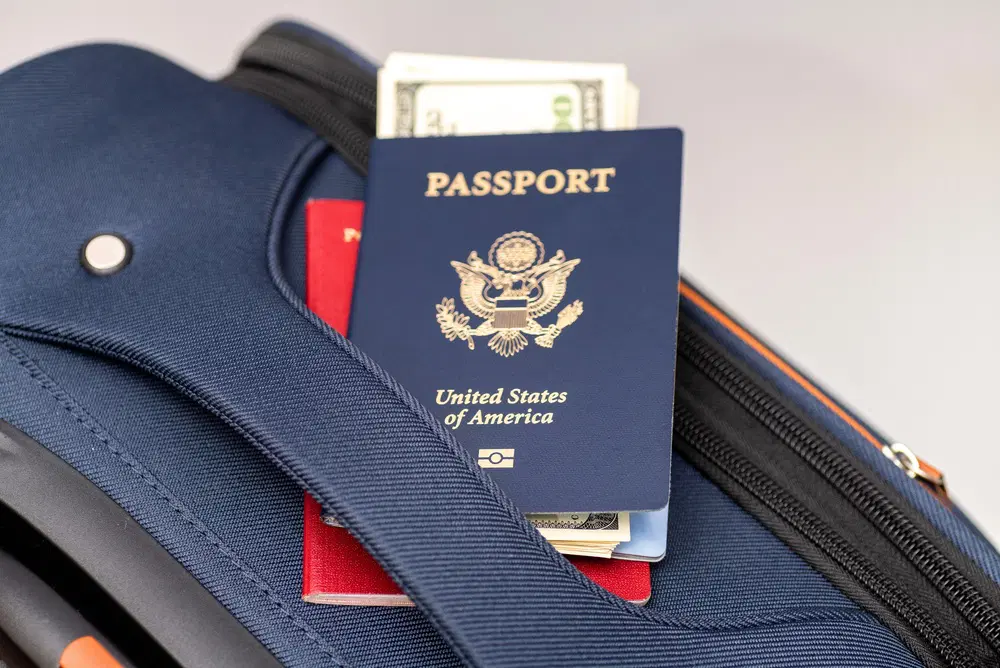
Still Keeping Your Passport In Your Carry-On? Here's Why You May Want To Move It


For international travelers, particularly retirees planning long-awaited vacations, passport safety while traveling deserves more attention than simply remembering to pack the document. A lost or inaccessible passport can disrupt an entire trip, potentially leading to missed flights, unexpected hotel expenses, and complicated replacement procedures. Here's why keeping your passport somewhere more accessible and secure than your carry-on suitcase may be a smarter approach.
Your Carry-On Could Suddenly Become Checked BaggageOne of the biggest reasons to reconsider where you store your passport is that your carry-on bag isn't guaranteed to remain with you throughout your journey. Airlines sometimes require passengers to gate-check larger carry-on bags when overhead storage fills up or aircraft have limited cabin space. The U.S. Department of Transportation explains that airline baggage policies and handling procedures can affect travelers' belongings during a flight. Imagine reaching your international connection only to discover that your passport is inside a suitcase that has been sent to the aircraft's baggage compartment. Keeping essential travel documents in a small personal item that remains with you can prevent an inconvenient baggage decision from becoming a serious travel problem.
You May Need Your Passport Before You Reach Your DestinationInternational travel often involves several document checks before you finally arrive at your hotel. Airline employees may need to examine your passport during check-in, boarding, or certain international connections, while immigration officers typically require it when you enter another country. The U.S. Department of State advises travelers to prepare important documents and understand entry requirements before departing. If your passport is buried beneath clothing or stored in a bag that's difficult to reach, every document check becomes more stressful. Good passport safety while traveling means keeping the document secure but accessible whenever an authorized official needs to inspect it.
Overhead Bins Aren't the Best Place for Essential DocumentsMost travelers think of overhead compartments as convenient storage, but those bins aren't designed to provide individual security for valuables. Passengers may open compartments throughout a flight, move bags to make room, or accidentally take belongings that resemble their own luggage. Even without theft, a carry-on could be left behind during a hurried departure or moved to a different compartment by airline staff. The Transportation Security Administration recommends keeping track of personal belongings and preparing travel documents for security procedures. Rather than storing your passport in an overhead suitcase, consider keeping it in a secure interior pocket of a small personal bag that remains under your control.
A Lost Passport Can Become an Expensive Travel EmergencyLosing a passport overseas involves more than simply reporting a missing document and continuing your vacation. The U.S. Department of State explains that travelers who lose their passports abroad generally need to contact the nearest U.S. embassy or consulate to arrange replacement documents. Depending on the circumstances, that process may require identification, passport photographs, replacement fees, and additional travel arrangements. A retiree who loses a passport shortly before an international flight home could face extra hotel nights, transportation expenses, or airline change fees while obtaining replacement documentation. Protecting your passport from unnecessary handling and baggage separation is a relatively simple way to reduce the risk of an expensive disruption.
A Small Crossbody Bag May Be a Better OptionFor many travelers, the safest practical solution is to keep essential documents in a small personal bag that stays close to the body. A crossbody bag with secure zippers, an interior compartment, and a strap worn across the chest can make it easier to monitor important belongings in crowded airports. Some travelers prefer an interior jacket pocket or a discreet travel pouch, particularly when navigating busy train stations or unfamiliar cities. The U.S. Department of State's travel safety resources encourage travelers to take precautions against theft and protect important documents while abroad. Whatever method you choose, passport safety while traveling depends more on consistent control and accessibility than on purchasing expensive anti-theft accessories.
Don't Keep Every Important Document in the Same PlaceKeeping your passport, driver's license, credit cards, cash, and travel itinerary together may seem organized, but it also creates a single point of failure. If that bag or wallet disappears, you could lose several important forms of identification and payment at once. The U.S. Department of State recommends preparing copies of important travel documents and ensuring someone you trust can access relevant information if an emergency occurs. Consider storing a paper copy of your passport's identification page separately from the original and keeping a securely stored digital copy available when needed. Copies generally cannot replace an original passport for international travel, but they may help establish your identity and simplify replacement procedures.
Airport Security May Require You to Remove or Present ItYour passport needs to be accessible during certain airport procedures, but that doesn't mean you should carry it loosely in your hand throughout the terminal. Depending on the airport, route, and screening process, travelers may need to present identification or travel documents to airline personnel or security officers. The TSA's identification guidance explains accepted identification requirements for domestic screening, while international travel generally requires additional documentation. A secure passport sleeve or designated interior pocket can help prevent you from setting the document down while juggling boarding passes, luggage, and other belongings. Developing a habit of returning your passport to the same protected location after every inspection is one of the simplest ways to avoid accidentally leaving it behind.
Be Especially Careful During Connections and BoardingConnecting flights can create some of the most stressful moments of international travel, particularly when schedules change unexpectedly. You may need to move quickly between terminals, pass through additional document checks, or rearrange belongings after a gate change. During those rushed moments, a passport tucked into an outer carry-on pocket can be forgotten, misplaced, or separated from you if the bag is checked. Travelers are encouraged to plan ahead and maintain access to essential travel documentation. Before leaving an aircraft, security checkpoint, or boarding area, make a quick habit of confirming that your passport, phone, and wallet are all in their designated places.
Know Where to Keep Your Passport Once You ArriveGood passport safety while traveling doesn't end when your flight lands. After arriving at your destination, you'll need to decide whether to carry the original document or store it securely at your accommodations. The safest choice depends on local laws, identification requirements, hotel security, and your planned activities. In some countries, travelers may be required to carry their original passports or present them to authorities, so a photocopy isn't always sufficient. Check the State Department's country-specific travel information before departure to understand local requirements and decide how to protect your passport without creating unnecessary complications.
Keep Your Passport Close, Not Buried in Your LuggageYour passport is one of the most important items you'll carry during an international trip, and replacing it can be far more complicated than replacing ordinary luggage. Although storing it in a carry-on suitcase may seem convenient, unexpected gate-checking, overhead storage, and hurried connections can create unnecessary risks. A secure interior pocket, small personal bag, or discreet travel pouch can help keep the document accessible while reducing the chance of accidental separation. Make copies before traveling, return the passport to the same location after each inspection, and understand the identification requirements of your destination. Prioritizing passport safety while traveling can help protect your vacation budget and prevent one missing document from turning a relaxing trip into an expensive emergency.
Where do you keep your passport when flying internationally: in your carry-on suitcase, a personal bag, or somewhere else? Have you ever had a close call with a lost travel document? Share your experience in the comments.

Legal Disclaimer:
MENAFN provides the
information “as is” without warranty of any kind. We do not accept
any responsibility or liability for the accuracy, content, images,
videos, licenses, completeness, legality, or reliability of the information
contained in this article. If you have any complaints or copyright
issues related to this article, kindly contact the provider above.


Comments
No comment