


Stop Washing These Foods Before You Store Them


Washing groceries as soon as you get home can feel like a smart way to keep your kitchen clean and your food ready to use. But with certain foods, washing too early can introduce moisture that encourages spoilage, leaving you throwing away groceries before you have a chance to eat them. Mushrooms can become soggy, berries may develop mold, and potatoes can deteriorate faster if stored damp. The trick is knowing which foods benefit from staying dry and which ones need special handling. Changing when you wash a few everyday groceries helps them last longer and reduces food waste.
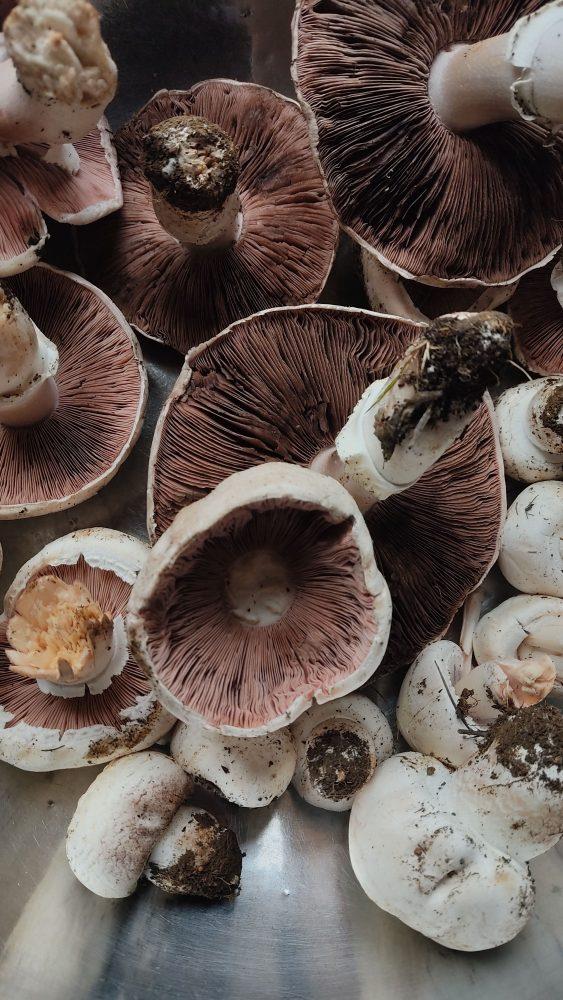
1. MushroomsMushrooms readily absorb moisture and can become soft or slimy when stored in damp conditions. Washing them well before putting them in the refrigerator can leave water trapped around their surfaces if they are not dried thoroughly. Since mushrooms already have a relatively short shelf life, extra moisture can make it harder to keep them in good condition until your next meal.
Instead, store fresh mushrooms unwashed in the refrigerator and clean them just before cooking. Brush visible dirt with a soft brush or wipe the mushrooms with a slightly damp paper towel. If you prefer rinsing them under running water, do it shortly before use and avoid leaving them soaking. Store them in their original packaging or a suitable paper bag that allows some moisture to escape.
2. Strawberries and Other Fresh BerriesStrawberries, blueberries, raspberries, and blackberries can spoil quickly when moisture remains on their surfaces. Washing an entire container before storing it may leave droplets between the berries, creating conditions that encourage mold and deterioration. One moldy berry can also affect nearby fruit, making a large container go bad before you finish it.
Keep berries refrigerated and unwashed until you are ready to eat or prepare them. Remove any visibly moldy or damaged berries, and avoid sealing damp fruit in an airtight container. When you are ready to use the berries, rinse them under clean running water and dry them gently with a clean paper towel if needed. If you want to prepare snacks in advance, wash only the amount you expect to eat soon.
3. PotatoesRinsing potatoes before putting them away may seem harmless, especially when they arrive covered in soil. However, storing potatoes while their skins are still damp can encourage spoilage. Potatoes generally keep best in a cool, dark, well-ventilated place, rather than a damp container or sealed plastic bag. Refrigerating raw potatoes is generally not recommended for ordinary home storage because cold temperatures can alter their flavor and cooking characteristics.
Brush off loose dirt and leave the potatoes unwashed until you are ready to prepare them. Store them away from direct sunlight, excess moisture, and heat, and check periodically for soft spots, rot, or sprouting. Keep them separate from onions, which can affect each other's storage life. Before cooking, wash potatoes thoroughly under running water and scrub the skins with a clean produce brush, especially if you plan to eat the skin.
4. Fresh HerbsFresh herbs such as parsley, cilantro, and mint can lose their quality quickly when their leaves remain wet in the refrigerator. Washing a whole bunch and placing it in a sealed bag while damp can encourage sliminess and decay. Since herbs are often sold in bundles that take several meals to use, keeping them fresh can help prevent the frustration of buying a new bunch every time a recipe calls for a small handful.
Unless the herbs are visibly dirty and need immediate cleaning, wait until you are ready to use them before washing. For storage, trim the stems if appropriate and keep the herbs in a suitable container or loosely wrapped in the refrigerator, depending on the variety. Some herbs store well upright in a small amount of water, while others do better wrapped in a barely damp paper towel. Follow the needs of the specific herb, and dry the leaves gently after washing before chopping or adding them to a dish.
5. Bagged Salad GreensBagged salad greens are a special case because many packages are already labeled washed, prewashed, or ready to eat. Washing them again before storage can introduce additional moisture and handling, potentially shortening the time the leaves remain crisp. If the package is already prepared for use, an extra rinse usually offers little benefit when the label says the greens are ready to eat.
Follow the package instructions and keep the greens refrigerated. Once opened, reseal the bag securely or transfer the leaves to a clean container if needed, taking care not to crush them. If the leaves are not labeled prewashed or ready to eat, wash them under running water before eating and dry them thoroughly. Do not assume every bagged green has been washed simply because it comes in a sealed package.
6. Onions and Garlic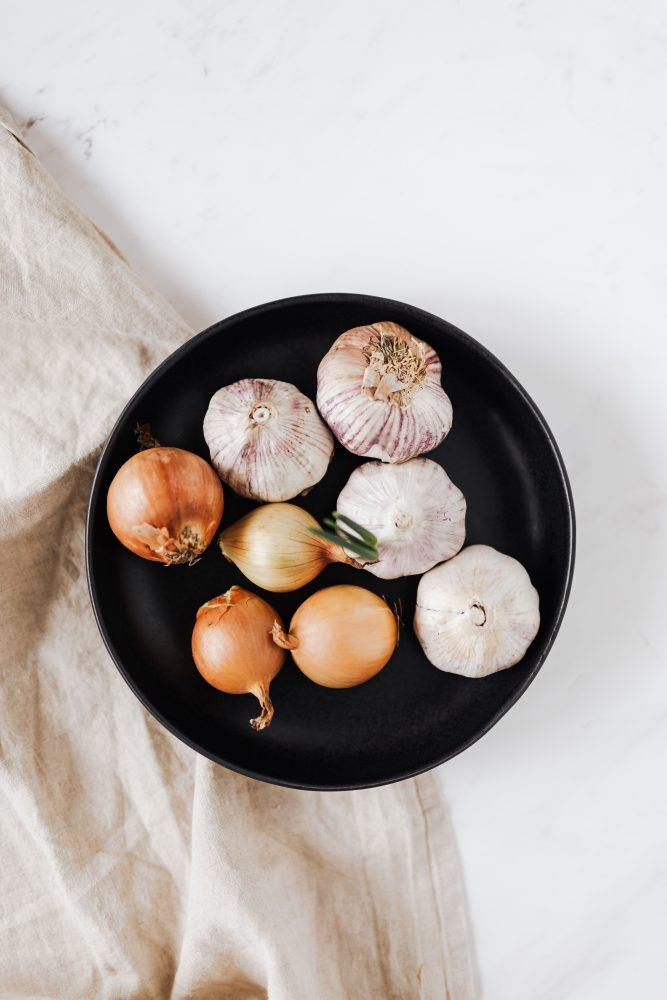
Whole onions and garlic bulbs generally keep best when they are dry and stored in a cool, dry, well-ventilated location. Washing them before storage can leave moisture around their outer layers and increase the risk of deterioration. Their papery skins provide a natural protective layer, so there is usually no reason to remove that layer or rinse the bulbs before putting them away.
Keep whole onions and garlic unwashed until you are ready to peel and prepare them. Store them in a ventilated basket or another suitable container rather than a sealed plastic bag that traps moisture. Keep them away from damp areas and inspect them periodically for soft spots, mold, or signs of rot. Once onions or garlic have been cut or peeled, refrigerate them in a covered container rather than treating them like whole, shelf-stable bulbs.
7. Raw Chicken and Other MeatRaw chicken, beef, pork, and other meats belong on this list for a different reason: they should not be rinsed before cooking at all. Running water over raw meat can splash bacteria onto the sink, countertops, utensils, and nearby foods. Washing does not reliably make the meat safer, and any harmful bacteria present are controlled through proper cooking rather than rinsing.
Keep raw meat in its original packaging until you are ready to prepare it, or place it in a clean, leakproof container if needed. Refrigerate it promptly and store it below ready-to-eat foods to prevent juices from dripping onto other ingredients. Wash your hands and any surfaces that come into contact with raw meat, and use a food thermometer to confirm it reaches a safe internal temperature. For chicken and other poultry, that means 165 degrees Fahrenheit.
The Best Time to Wash Your GroceriesFor most fresh produce, the simplest approach is to wash it shortly before eating or cooking rather than washing everything immediately after shopping. This helps limit unnecessary moisture during storage while allowing you to remove dirt and reduce germs before preparation. When you do wash produce, use clean running water rather than soap or detergent, and dry items thoroughly when appropriate. Refrigerate perishable produce promptly, and keep your refrigerator at or below 40 degrees Fahrenheit.
There are exceptions, especially when produce is visibly dirty or package instructions call for a particular handling method. If you choose to wash produce before storage, dry it thoroughly and use clean containers or storage materials. Prewashed foods should be handled according to their labels, while raw meat should never be rinsed. A little planning can help your groceries stay fresh longer, protect food safety, and save money by keeping more of what you buy out of the trash.
What To Read NextIs Your Produce Safe Updated Guidelines for Washing Leafy Greens
Why Your Bagged Salad Turns Slimy Before You Finish It
10 Reasons the CDC Says You Should Never Wash Your Chicken Again
Why Is There So Much Liquid in Packaged Chicken?
5 Foods That Can Last Beyond Their Best-By Date and 5 That Spoil Quickly

Legal Disclaimer:
MENAFN provides the
information “as is” without warranty of any kind. We do not accept
any responsibility or liability for the accuracy, content, images,
videos, licenses, completeness, legality, or reliability of the information
contained in this article. If you have any complaints or copyright
issues related to this article, kindly contact the provider above.


Comments
No comment