


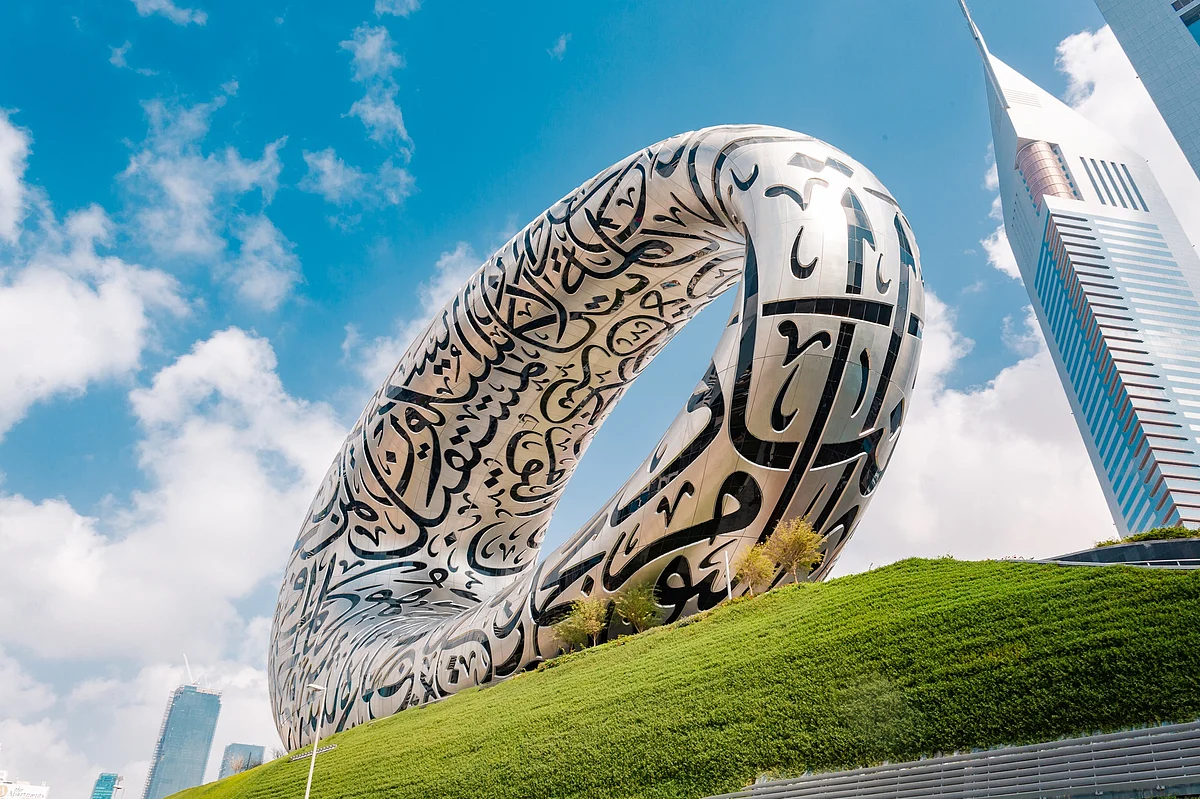
Dubai Museum Of The Future Reopens In 2027: What Visitors Can Expect


Fresh exhibitions, immersive environments and new laboratories will replace the experiences that have defined the museum since it opened in 2022, with visitors promised a more hands-on role in exploring science, research and the possibilities of what comes next.
Recommended For YouThe renewed museum experience will have its“own focus and direction” rather than simply updating its existing galleries, Azza Al Nuaimi, Chief Operating Officer of the Museum of the Future, told Khaleej Times.
Stay up to date with the latest news. Follow KT on WhatsApp Channels.
According to FAQs published on the museum's website, none of the current exhibitions and experiences will return in their previous form. They will be replaced by entirely new ones, brought together through a new narrative and a different visitor journey.
“The aim is to make the future something visitors can do more than simply imagine,” Al Nuaimi said.
Visitors will have opportunities to explore new possibilities, engage with work taking place inside the laboratories and consider how decisions being made today could shape the world of tomorrow.
Even the people bringing the experience to life are changing. The museum said its new“Future Perfects” recruitment drive for the Visitor Experience team drew more than 20,000 completed applications in its first 48 hours. The roles prioritise qualities including curiosity, imagination, emotional intelligence and adaptability rather than previous museum or customer-service experience.
The museum is expected to reopen around its fifth anniversary. It first opened on February 22, 2022, although an exact date for its 2027 return has yet to be announced.
According to the museum's FAQs, tickets for the renewed experience will go on sale closer to the reopening.
What happens to the current exhibits?For almost five years, the museum's visitor journey has taken people into an imagined 2071 aboard OSS Hope, through the Heal Institute and Al Waha, past emerging technologies in Tomorrow Today, and into Future Heroes for younger visitors.
When asked what will happen to these experiences, Al Nuaimi said:“The existing exhibitions will be taken down to make way for the new experiences."
Exactly what happens to the individual exhibits, however, is still being worked out.
“Decisions concerning individual exhibits will depend on their nature, condition and potential for future use. We are not yet in a position to confirm which elements will be preserved, relocated, reused or retired.”
When the future itself changesThe challenge for a museum devoted to the future is that the future does not stand still.
Since the Museum of the Future opened in 2022, artificial intelligence, biotechnology and space exploration have all advanced rapidly.
Asked whether that meant some of the ideas presented four years ago already felt dated, Al Nuaimi pointed to the“significant” pace of change in those fields and the new questions they have raised about how technology and scientific progress will affect society and everyday life.
“However, the Museum was never intended to predict exactly what the future would look like. Its purpose is to explore possibilities, encourage people to question assumptions and consider the choices that may shape what comes next,” she said.
“As new developments emerge, the way we explore these questions must also evolve. The next chapter will build on this approach, introducing new perspectives while maintaining the curiosity and openness that underpin the Museum's purpose.”
That thinking is behind the museum's description of itself as a“living museum”.
A conventional museum may preserve objects and stories from the past. A science centre may explain how something works. The Museum of the Future instead looks at what developments in science and technology could mean for humanity next.
Its exhibitions, by design, are not meant to remain frozen in time.
“This is what we mean by a 'living museum': a place that continues to develop alongside the future it seeks to explore,” Al Nuaimi said.
Could everything change again?Not necessarily.
There is no fixed lifespan for an exhibition at the museum. How long an experience remains depends on the subject, how quickly it evolves and whether new discoveries create a different way of exploring it.
“Some themes will remain relevant over the long term, while the way they are presented may evolve,” Al Nuaimi said.
So while the current transformation is sweeping, it does not mean the entire museum will necessarily be rebuilt on a fixed cycle every few years.
People around the world are helping shape what comes next. More than 1,000 ideas were submitted on what Museum of the Future should explore, with some already being incorporated into the new experience. Officials have yet to reveal which ones made the cut.
The transformation follows a first chapter in which more than five million people visited the museum, alongside 620 events and 224 educational programmes.
Al Nuaimi said the physical experience may be changing, but one ambition remains: creating a place where people from different backgrounds and disciplines can come together to think about humanity's future.
ALSO READ- Want to work at Dubai's Museum of the Future? New recruitment drive now open Museum of the Future to close temporarily on September 1 for 'new experiences' in 2027 Dubai's Museum of Illusions closes after 8 years in Al Seef; residents nostalgic

Legal Disclaimer:
MENAFN provides the
information “as is” without warranty of any kind. We do not accept
any responsibility or liability for the accuracy, content, images,
videos, licenses, completeness, legality, or reliability of the information
contained in this article. If you have any complaints or copyright
issues related to this article, kindly contact the provider above.


Comments
No comment