


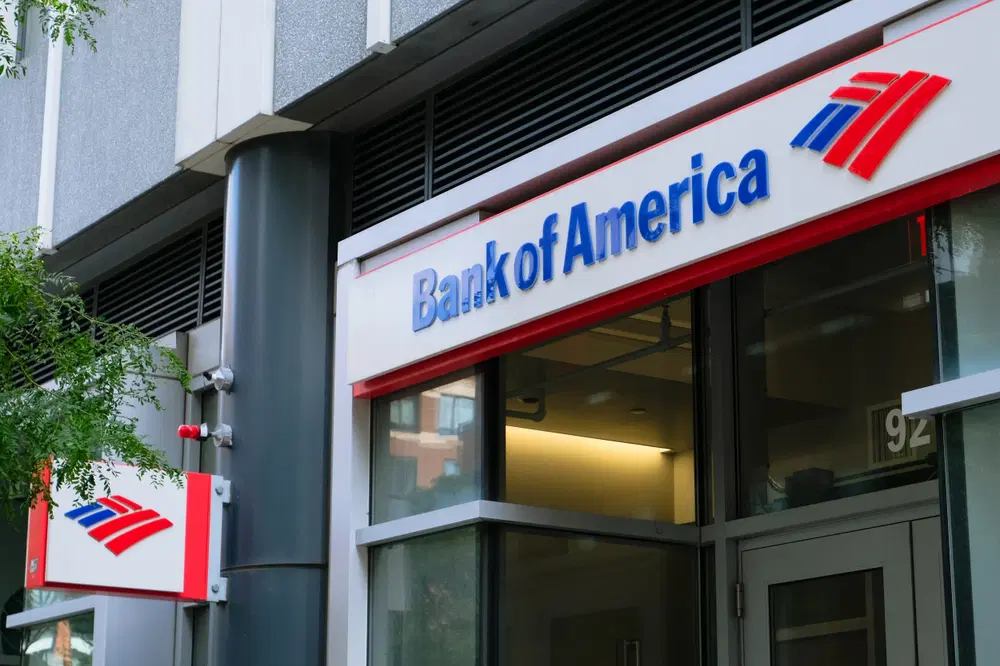
Bank Of America Hit With A $1.2 Billion Penalty: What Regulators Say Went Wrong


A bank can flag a suspicious transaction, investigate it, and alert federal authorities. But what happens when the system designed to catch financial crime fails to do its job? Bank of America now faces a $1.2 billion penalty from the federal government after regulators identified serious failures in its anti-money laundering program. The October 13, 2026 announcement also included a separate $750 million penalty from another regulator and an $11.6 million sanctions settlement.
The most troubling part of the case involves more than questionable transactions. Regulators say Bank of America failed to identify and report suspicious financial activity promptly, even as warning signs accumulated. That left authorities without information they needed to investigate potential criminal networks and other financial threats.
For everyday customers, the case raises a different question: What exactly does a bank promise to do behind the scenes when money moves through an account? The answer helps explain why this penalty reaches far beyond an accounting department's budget.
The Problem Wasn't Just Missing a Few Red FlagsBanks do more than hold deposits and process payments. Federal law requires them to maintain systems that help detect potential money laundering and report suspicious activity to the government. Those systems matter because criminals may use ordinary-looking financial transactions to move proceeds from fraud, drug trafficking, or other illegal activities.
Bank of America's failures went beyond an occasional missed warning, according to the Financial Crimes Enforcement Network, or FinCEN. Regulators found that the bank failed to report more than $5 billion in suspicious transactions promptly. More than $1 billion involved national security concerns and other priority financial crime risks. Those figures describe suspicious activity, not a finding that every dollar came from a crime.
The distinction matters because a suspicious transaction does not automatically prove criminal conduct. Investigators need information to connect financial movements with people, businesses, and potential offenses. A bank's job is not to solve every case itself, but it must recognize warning signs and provide timely reports. A report that arrives long after the money moves can leave investigators chasing a trail that has already gone cold.
How a Bank's Warning System Can FailA bank's transaction monitoring system works a little like a security alarm. It looks for patterns that might deserve closer attention, rather than treating every payment as suspicious. A series of unusual transfers, for example, might prompt investigators to examine the customer's activity and decide whether to file a Suspicious Activity Report, commonly called a SAR.
According to the Office of the Comptroller of the Currency (OCC), Bank of America's monitoring system failed to properly review enormous volumes of transactions. The agency also found that the bank failed to escalate potentially suspicious activity to investigators, despite knowing about problems with that process. In some cases, the bank filed reports late or submitted inaccurate information.
Think about the practical difference between receiving an alert today and reviewing it months later. The first gives investigators a chance to act while financial activity may still be unfolding. The second can turn a useful warning into an overdue explanation. Technology can generate alerts all day long, but those alerts accomplish very little if the bank lacks effective procedures and trained staff to handle them.
Regulators Say the Bank Relied Too Much on OthersOne of the sharper criticisms involved the bank's reliance on outside warnings. Treasury officials said Bank of America leaned too heavily on law enforcement inquiries, requests from other financial institutions, and similar interventions to identify potentially suspicious transactions. Its own monitoring systems should have played a stronger, more proactive role.
That criticism exposes an awkward problem with relying on someone else to spot trouble. Imagine a business receiving repeated payments from unfamiliar third parties, with no clear explanation for the arrangement. A bank may need to investigate whether those payments fit the customer's stated business activity. If it waits for another institution or law enforcement agency to raise concerns, the bank's own safeguards may contribute little.
Regulators also criticized customer due diligence procedures that failed to account adequately for customers' extensive reliance on payments from unknown third parties. Treasury said the bank did not respond promptly or meaningfully to mounting warning signs, including concerns about possible narcotics proceeds, trade-based money laundering, and fraud. These findings describe failures in the bank's oversight, not proof that every customer or transaction under review involved wrongdoing.
A Previous Regulatory Order Had Already Put the Bank on NoticeThe case becomes more serious when you consider its history. In December 2024, the OCC ordered Bank of America to address deficiencies in its anti-money laundering program. Yet the regulator said the bank continued to struggle with major compliance problems after agreeing to that order. More than a year later, investigators still encountered failures to escalate potentially suspicious transactions for review.
This was not simply a case of regulators discovering an obscure technical flaw. The OCC criticized the bank's staffing, employee training, internal audits, and management response. Compliance personnel lacked sufficient expertise in some areas, while internal audits failed to identify problems that regulators later uncovered. A company can buy sophisticated monitoring software, but software cannot compensate for weak oversight or a management team that fails to address known problems.
The OCC imposed a $750 million penalty, its largest ever against a bank. FinCEN assessed the separate $1.2 billion penalty, but agreed to credit the OCC payment against that amount. That means the two penalties do not simply add together as separate payments. Bank of America also agreed to an $11.6 million settlement with the Office of Foreign Assets Control (OFAC) over apparent sanctions violations.
What Happens Next, and Should Customers Worry?Regulators have ordered Bank of America to do more than write a check. The bank must work with independent consultants to review historical transactions and identify suspicious activity that its earlier systems missed. It must also undergo reviews of its transaction monitoring, customer due diligence, foreign correspondent account oversight, and relevant data governance procedures.
For customers, the announcement does not automatically mean their deposits are at risk or that their accounts face new restrictions. The penalties address the bank's compliance failures, not a blanket finding that ordinary customer accounts are unsafe. Still, the enforcement action could bring additional scrutiny, remediation work, and costs as the bank tries to correct its systems.
Customers should continue to monitor their accounts, review transactions, and contact the bank about activity they do not recognize. Those habits make sense regardless of which institution holds the account. But there is no reason to assume that an ordinary customer has done anything wrong simply because their bank faces a regulatory penalty.
The Real Test Is Whether the Bank Fixes What FailedA billion-dollar penalty grabs attention, and understandably so. Yet the longer-term test involves the unglamorous work of improving controls, investigating alerts, training employees, and responding when something looks wrong. Regulators have identified failures that persisted even after earlier warnings, so the bank now faces a demanding test of its ability to make lasting changes.
For customers, the case also offers a useful reminder about what banks do behind the scenes. A checking account may feel like a simple place to receive paychecks and pay bills, but the financial system depends on institutions detecting suspicious activity and reporting it responsibly. When those safeguards fail, the consequences can reach far beyond a bank's balance sheet.Do you think penalties this large are enough to push major banks to fix compliance problems, or should regulators impose tougher consequences when earlier warnings go unheeded?

Legal Disclaimer:
MENAFN provides the
information “as is” without warranty of any kind. We do not accept
any responsibility or liability for the accuracy, content, images,
videos, licenses, completeness, legality, or reliability of the information
contained in this article. If you have any complaints or copyright
issues related to this article, kindly contact the provider above.


Comments
No comment