


The Hidden Difference Between“Natural” And“Organic” On Food Labels


Walk down a grocery store aisle, and you will find packages promising everything from natural ingredients to certified organic products. Both labels can make food sound healthier, cleaner, or closer to the way nature intended, but they do not mean the same thing. One generally describes certain characteristics of a food or how it has been processed, while the other follows specific federal production standards. Understanding that distinction can help you decide when a higher price is justified and when a less expensive alternative may offer what you need. Before paying extra for a product with reassuring words on the package, it helps to know what those words actually mean.
“Natural” Does Not Mean the Same Thing on Every FoodThe word“natural” sounds straightforward, but it does not have one comprehensive federal definition covering every food product in the United States. The Food and Drug Administration has a longstanding policy that generally considers whether artificial ingredients have been added, but it has not established a formal, comprehensive definition for the term on human foods. The policy also does not establish that a food was grown without pesticides or produced using particular farming methods. As a result, shoppers should not assume that a natural label tells them everything about how a product was made.
Meat and poultry products have more specific USDA labeling requirements. For these products,“natural” generally means they contain no artificial ingredients or added colors and have been minimally processed, with a statement explaining the claim. That still does not mean the animals were raised organically or under a particular set of farming practices. On products such as cereal, crackers, and bottled drinks, the word may offer less information about production methods than shoppers expect. Checking the ingredient list and the exact wording on the package is more useful than relying on the word alone.
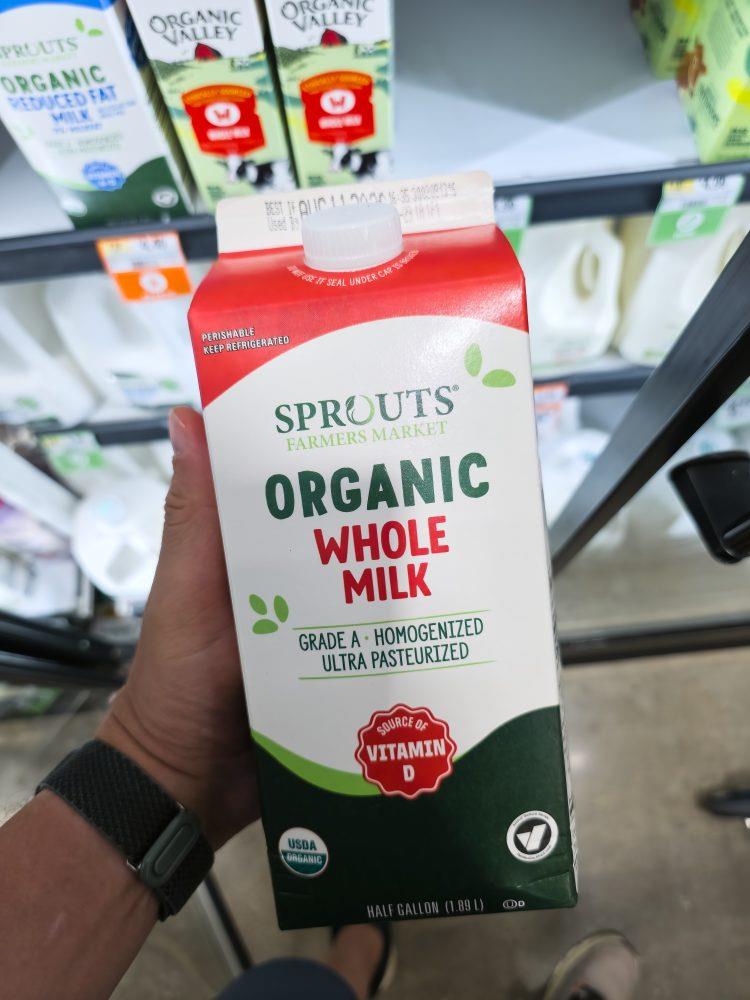
“Organic” Follows Specific USDA StandardsUnlike the broad use of“natural,” organic food claims are governed by the USDA's National Organic Program. Certified organic operations must follow standards covering production, handling, and permitted substances, with oversight from USDA-accredited certifying agents. Organic crop production restricts the use of prohibited synthetic substances and excludes certain practices, including genetic engineering and ionizing radiation. The standards also address soil management, pest control, and environmental practices, making organic a claim about how agricultural products are produced rather than simply how they look or taste.
Organic certification does not mean that every substance used in farming must be naturally occurring. USDA standards permit certain synthetic substances and other materials under specified conditions while prohibiting others. Organic production also does not guarantee that food contains absolutely no pesticide residues or that it is nutritionally superior to conventional food. The label provides a defined set of production requirements, not a promise that a product is free from every possible chemical or automatically healthier than its conventional counterpart.
The USDA Organic Seal Tells You More Than the Word AloneThe green-and-white USDA Organic seal is a useful feature to recognize when shopping. Products carrying the seal must meet the applicable USDA organic labeling requirements, which generally means a multi-ingredient product contains at least 95% organic ingredients, excluding salt and water. The remaining ingredients must meet specific restrictions. The seal can help shoppers identify products that meet established standards instead of relying on a vague marketing phrase.
However, not every product containing organic ingredients can display the USDA Organic seal. Foods labeled“made with organic” ingredients must contain at least 70% organic ingredients, excluding salt and water, and cannot display the USDA seal as an organic product. Products containing less than 70% organic ingredients may identify qualifying organic ingredients in the ingredient list, subject to the applicable rules. These distinctions matter when comparing packaged foods because a prominent mention of organic ingredients does not necessarily mean the entire product is certified organic.
Neither Label Automatically Means Healthier FoodA common misconception is that natural and organic foods are automatically more nutritious than conventional alternatives. Neither label, by itself, establishes that a food is lower in sugar, sodium, saturated fat, or calories. An organic cookie can still contain plenty of added sugar, and a product labeled natural may still be high in sodium. If your goal is to improve your diet, the Nutrition Facts panel and ingredient list provide information that these front-of-package claims do not.
The same principle applies to foods marketed as natural because they contain familiar or recognizable ingredients. A product can use the word prominently while still being highly processed or offering limited nutritional value. That does not make every natural or organic product a poor choice; it simply means the label should not replace a closer look at the food itself. Compare serving sizes, added sugars, sodium, fiber, protein, and other nutrients relevant to your needs before deciding which option deserves a place in your cart.
Organic Does Not Mean Completely Pesticide-FreeSome shoppers choose organic foods because they want to reduce their exposure to certain agricultural chemicals. Organic farming restricts many synthetic pesticides and fertilizers, but it does not prohibit every pesticide or every substance used to control pests. USDA organic standards allow certain approved substances, including some pesticides, when they meet the program's requirements. That means“organic” and“grown without any pesticides” are not interchangeable claims.
Conventional farming can also involve regulated pesticides, and the mere possibility of pesticide use does not tell you the amount of residue on a particular food. If you buy conventional produce, wash it under running water before eating or preparing it, and scrub firm produce when appropriate. Organic produce should also be washed because certification does not eliminate the possibility of dirt, bacteria, or contamination during handling. Choose the farming method that fits your priorities and budget without assuming that either label provides a guarantee about residues.
“Natural” and“Organic” Can Come With Different Price Tags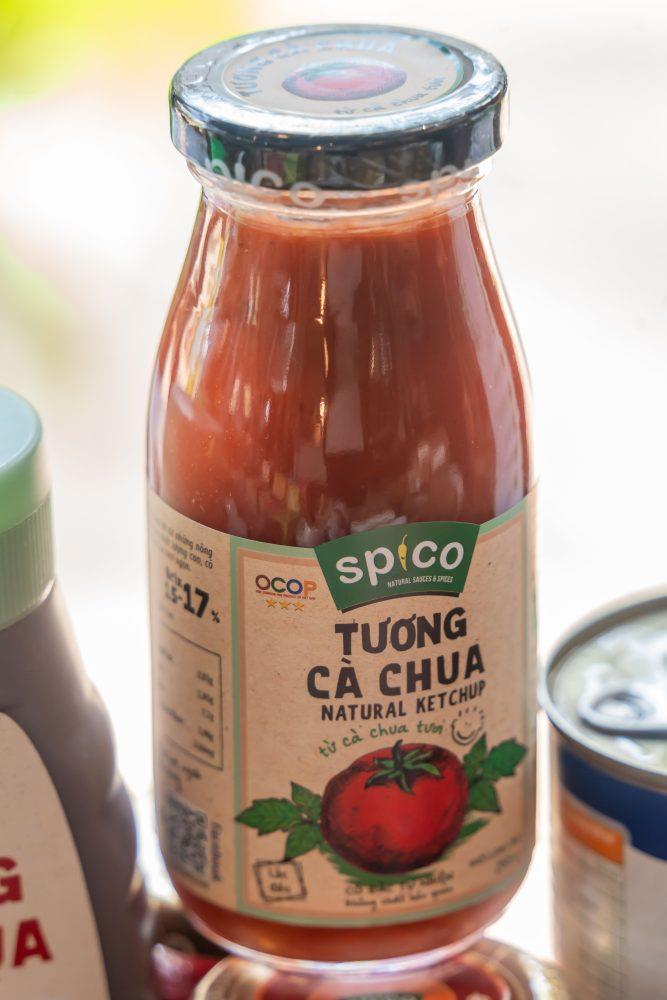
Organic products often cost more than comparable conventional items, although the difference varies by food, store, season, and brand. Certification, production methods, handling, and supply conditions can all contribute to the final price. Natural-labeled products may also cost more when a brand uses the wording to position its food as premium. But neither a higher price nor reassuring language on the package proves that a product offers better nutritional value.
If your grocery budget is tight, decide which qualities matter most before paying extra. You might prioritize organic certification for certain purchases while choosing conventional options for other foods. Alternatively, you may decide that the ingredient list, nutrition, flavor, or price matters more than either label. Comparing similar products side by side can reveal whether the premium reflects a production standard you value or simply a marketing choice.
Other Food Labels Can Add to the ConfusionNatural and organic are only two of the claims competing for shoppers' attention. Terms such as“non-GMO,”“grass-fed,”“free-range,” and“no antibiotics added” refer to different attributes and may follow separate rules or verification systems. They are not interchangeable with organic certification. For example, a grass-fed claim alone does not establish that a product meets USDA organic standards, and a non-GMO claim does not automatically tell you how much a food has been processed.
Instead of trying to interpret every label as a general sign of quality, consider the specific question you want answered. If animal-raising practices matter to you, look for a claim that addresses those practices and check whether it is supported by a recognized standard. If you are concerned about ingredients, read the ingredient list. Wanting to compare nutritional value, start with the Nutrition Facts panel. Matching the claim to your actual priority makes grocery shopping less confusing and helps prevent marketing language from driving unnecessary spending.
How to Choose Between Natural, Organic, and Conventional FoodsThe most useful label is the one that tells you something you genuinely care about. Organic certification offers a defined standard for agricultural production and handling, while natural claims have a more limited and less uniform meaning across foods. Conventional products can still be nutritious, and organic products can still contain ingredients you may want to limit. Understanding these differences makes it easier to compare products on more than their packaging.
You do not have to buy everything organic or avoid every product labeled natural to make informed grocery decisions. Compare prices, read ingredients, check nutrition information, and decide which production standards matter enough to justify spending more. When a product costs extra, ask what the label actually guarantees rather than what you assume it means. That simple habit can help you shop according to your priorities without paying a premium for claims that do not deliver what you expected.
What To Read Next7 Things You Should Always Check on a Food Label-But Rarely Do
Do You Know the 4 Biggest Lies on Your Food Labels?
10 Common Food Labels That Are Legally Meaningless
6 Big Changes Coming to Food Labels in 2025 (And What They Mean for You)
The Truth About“Cage-Free,”“Grass-Fed,” and Other Food Labels

Legal Disclaimer:
MENAFN provides the
information “as is” without warranty of any kind. We do not accept
any responsibility or liability for the accuracy, content, images,
videos, licenses, completeness, legality, or reliability of the information
contained in this article. If you have any complaints or copyright
issues related to this article, kindly contact the provider above.


Comments
No comment