


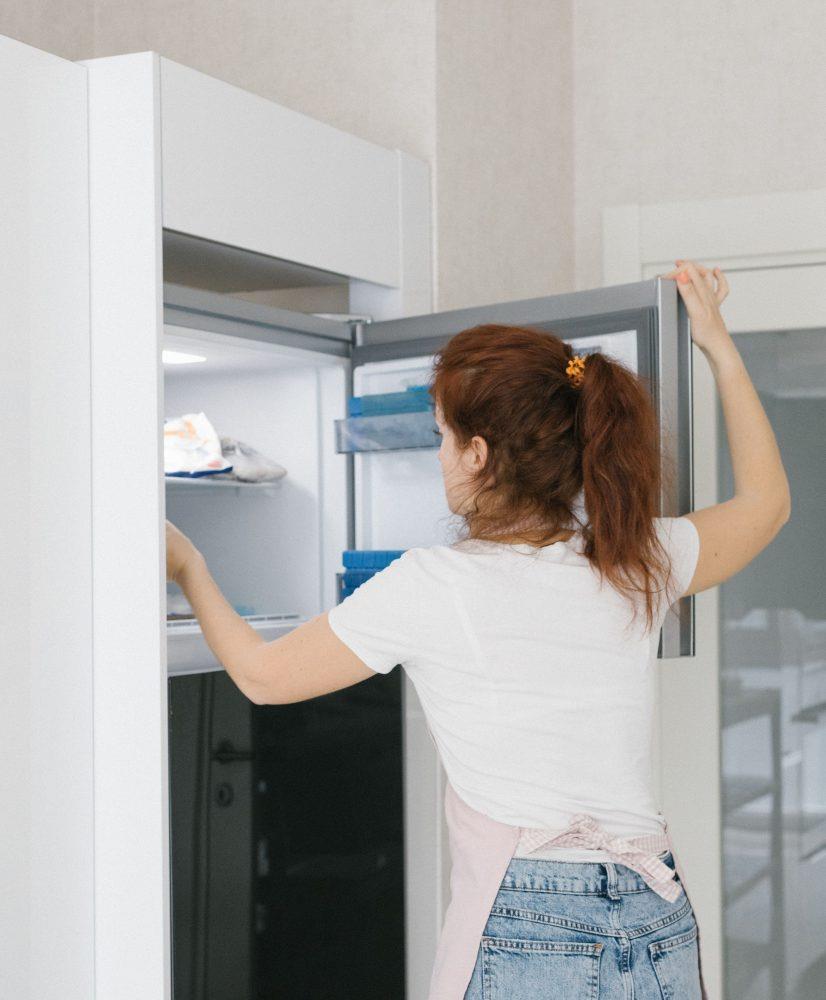
Is Your Extra Freezer Worth The Electricity It Uses?


A separate chest freezer can feel like a smart investment for anyone trying to lower grocery costs. It gives you room to buy meat in bulk, store frozen vegetables, preserve seasonal produce, and take advantage of supermarket markdowns. But there is a cost to keeping that extra appliance running, even when you are not actively using it. Depending on its age, size, efficiency, and how often you use the food inside, a second freezer could eat into the savings it was supposed to create. Before filling one with sale items, it is worth looking at the full cost of keeping it.
Your Freezer Uses Electricity Even When You Rarely Open ItUnlike an appliance you switch on only when needed, a freezer runs throughout the year to maintain its temperature. The compressor cycles on and off as necessary, so electricity use continues even when the contents remain untouched for weeks. A newer, efficient chest freezer may use relatively little electricity, while an older model can consume considerably more. That means the cost of keeping it running depends partly on the appliance itself, not just how much food you store.
Check the manufacturer's energy information or look for an energy label that provides estimated annual electricity use. If you cannot find reliable figures, a plug-in electricity monitor may help measure consumption for a compatible appliance. Multiply the estimated kilowatt-hours used annually by your electricity rate to calculate an approximate operating cost. That number gives you a baseline for deciding whether your freezer is saving enough money to justify its ongoing expense.
Bulk Discounts Need to Beat More Than the Shelf PriceA chest freezer can make bulk shopping easier, particularly when meat or other regularly purchased foods go on sale. Buying several packages at a lower price may reduce your average cost per pound and mean fewer trips to the store. However, the discount alone does not tell you whether the purchase is financially worthwhile. You also need to account for electricity, suitable freezer packaging, and the possibility that some food will never be used.
For example, saving $15 on a bulk meat purchase sounds appealing, but the benefit is smaller if you buy food you would not normally eat or end up discarding part of it. Consider how frequently you use the product and how much you would have spent buying the same amount over time. Compare the actual sale price with the regular price at your usual store, rather than relying on a large package or promotional sign to signal a bargain. The strongest savings come from buying food you already need at a genuinely lower price.
Where You Keep the Freezer Can Affect Its Operating CostA freezer placed in a hot garage, utility room, or sun-exposed area may have to work harder to maintain its temperature. The effect depends on the room temperature and whether the appliance is designed to operate in those conditions. Some freezers are built for garage use, while others have specific ambient-temperature limits that can affect performance. Putting an appliance in an unsuitable location can also create reliability problems.
Check the owner's manual for the recommended operating temperature range and ventilation clearances. If your freezer is in a warm space, consider whether another suitable location would provide more stable conditions without blocking airflow. Avoid placing it directly beside heat-producing equipment unless the manufacturer permits it. You may not need to move the appliance, but understanding its operating environment can help you avoid unnecessary strain and protect the food inside.
An Older Freezer May Cost More Than You ExpectOlder freezers can be less energy-efficient than newer models, especially if they have worn seals, damaged insulation, or other maintenance problems. A unit that has been running for many years may still freeze food effectively while quietly using more electricity than a newer alternative. That does not automatically mean replacement is the best financial decision, since buying a new appliance also comes with an upfront cost. The key is to compare likely energy savings against the expense of replacing a working freezer.
Start with basic maintenance before considering a purchase. Check the door or lid seal, remove dust from accessible components according to the manual, and defrost a manual-defrost model when needed. If the freezer runs constantly, struggles to maintain temperature, or has other unusual symptoms, consider having it evaluated. Replacing an inefficient unit may make sense in some households, but the payback period depends on the current appliance's energy use, the replacement's price, and local electricity rates.
Food Waste Can Erase the SavingsHaving extra freezer space can encourage shoppers to buy more than they would otherwise purchase. Multiple packages of meat, oversized bags of frozen vegetables, and discounted convenience foods can accumulate because there is room to store them. But frozen food is not automatically immune to waste. Poor packaging can lead to freezer burn, while forgotten items may lose quality or become unappealing long before anyone uses them.
Think about the foods you actually cook and how quickly you go through them. Freeze bulk purchases in meal-size portions, label packages clearly, and keep a simple inventory so older items are used first. Food that has remained continuously frozen at 0 degrees Fahrenheit can stay safe for long periods, although quality generally declines over time. If your freezer mostly stores food that never becomes a meal, reducing purchases may save more money than finding additional storage space.
Calculate Whether the Extra Space Pays for Itself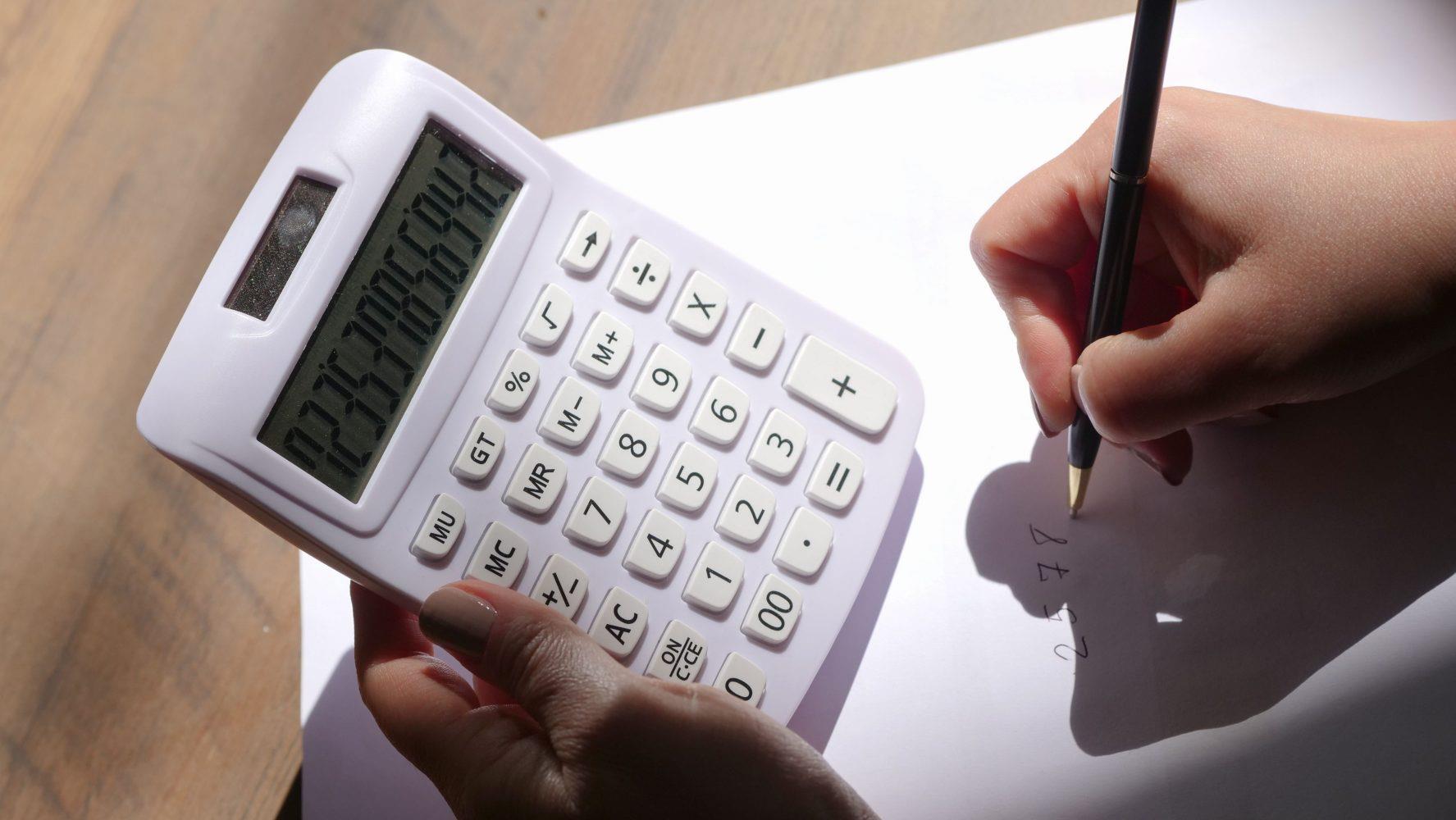
You do not need a complicated spreadsheet to assess the value of a second freezer. Start with its estimated annual electricity cost, then compare that with the savings from discounted food you would have purchased. If the freezer costs $70 a year to operate, for instance, your grocery savings should exceed that cost before accounting for packaging, maintenance, or wasted food. The figures will vary by appliance and electricity rate, so use your own numbers rather than a general estimate.
Track a few months of bulk purchases and note the regular price, sale price, quantity used, and any food discarded. That can reveal whether the freezer consistently lowers your spending or makes it easier to buy extra products. If you are considering buying a freezer specifically to save on groceries, include its purchase price. If the savings are small or inconsistent, a well-organized refrigerator-freezer combination may be enough for your household.
When Keeping a Second Freezer Makes SenseA separate freezer can be worthwhile for large households, gardeners preserving seasonal harvests, hunters, or shoppers who regularly buy substantial quantities of food at genuine discounts. It can also provide practical benefits, such as keeping meals available during busy weeks or reducing trips to the supermarket. Those advantages matter, but they should be weighed against the cost of operating the appliance and the likelihood that the food will actually be used.
If you rarely buy in bulk, have limited space, or regularly discover forgotten food, the extra appliance may not be earning its keep. You could try using up your existing frozen food before restocking and compare your grocery spending over the next few months. That experiment can help you see whether the freezer supports a real savings habit or simply encourages more shopping. Ultimately, the best appliance is not the one that holds the most food; it is the one that helps your household spend less overall.
What To Read NextWhy Does Ice Cream Sometimes Get Gritty After It's Been in the Freezer?
Recalled Food Can Sit in Your Freezer for Months-9 Items to Check Before Your Next Meal
Is Your Freezer a Savings Tool or a $500 Food Graveyard?
Experts Say Most Families Are Using Their Freezer All Wrong

Legal Disclaimer:
MENAFN provides the
information “as is” without warranty of any kind. We do not accept
any responsibility or liability for the accuracy, content, images,
videos, licenses, completeness, legality, or reliability of the information
contained in this article. If you have any complaints or copyright
issues related to this article, kindly contact the provider above.


Comments
No comment