


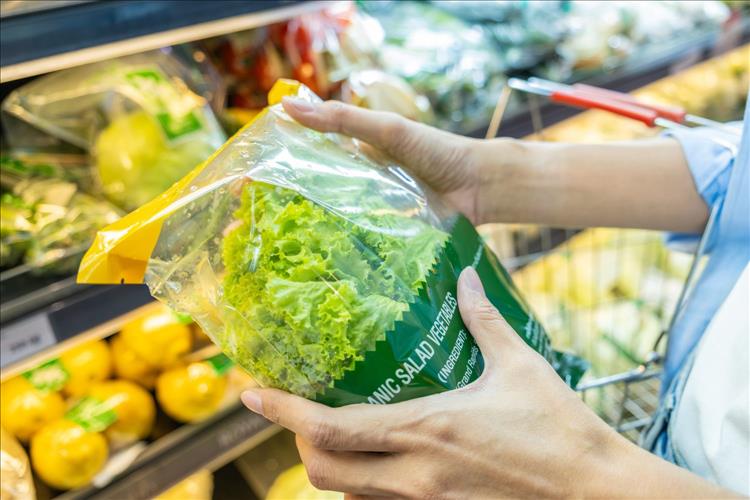
Why Your Bagged Salad Turns Slimy Before You Finish It


Bagged salad is supposed to make eating more vegetables easier, especially when you want a quick lunch or a simple side dish without washing and chopping lettuce. But there is a frustrating problem many shoppers know well: the leaves start looking wet, turning brown, or developing a slimy texture before the bag is empty. When that happens, money spent on convenient produce can end up in the trash. The problem is not always that you bought a bad bag, either. Moisture, temperature, damaged leaves, and the way you handle the package after opening it can all affect how long salad stays fresh.
Excess Moisture Is One of the Biggest CulpritsBagged salad needs some moisture to stay crisp, but too much water can encourage leaves to break down faster. When condensation collects inside the package, the leaves may remain wet instead of drying naturally. Damaged leaf surfaces can then deteriorate, creating the soft, slippery texture that makes salad unappetizing. This is particularly noticeable when a bag has been moved between different temperatures or stored in a refrigerator with fluctuating conditions.
Once you open a bag, check for visible water droplets and moisture collecting at the bottom. If the leaves are still fresh, gently blot excess moisture with a clean paper towel before transferring them to a suitable container. Avoid crushing or squeezing the greens, since bruised leaves can deteriorate more quickly. The goal is to keep the salad cool while preventing excess moisture from sitting against the leaves.
Your Refrigerator May Be Too WarmBagged salad is perishable, and its shelf life depends heavily on keeping it properly chilled. If your refrigerator runs too warm, the leaves can deteriorate more quickly even when the package is unopened. The refrigerator door is often a poor storage spot for delicate greens because temperatures can fluctuate as the door opens and closes. A bag that looks fine when you bring it home may have a shorter usable life if it spends too much time in warmer conditions.
The U.S. Food and Drug Administration recommends keeping your refrigerator at or below 40 degrees Fahrenheit. An inexpensive refrigerator thermometer can help you check whether the temperature is staying within that range. Store salad toward the back of a shelf rather than in the door, while avoiding spots where it could freeze against a cold surface. If the refrigerator temperature is inconsistent, adjusting the settings or checking the appliance may help protect more than just your greens.
The Bag May Already Be Near the End of Its Shelf LifeBagged salad can look fresh at the grocery store even when it has already spent several days moving through processing, packaging, transportation, and distribution. The printed date can provide useful guidance, but it does not guarantee that the leaves will remain crisp until that day. Temperature changes during transportation or storage can also affect the quality of the greens. That means two bags with the same date may not necessarily last equally long at home.
When shopping, look for bags with crisp-looking leaves and no obvious signs of moisture buildup, darkened patches, or damaged packaging. Check the date and choose a bag that gives you enough time to use it, particularly if you shop only once a week. Avoid packages that are swollen, leaking, or visibly deteriorating. Once you get home, refrigerate the salad promptly instead of leaving it in the car or on the counter while unpacking other groceries.
Opening the Bag Changes How You Should Store ItSealed packaging helps protect salad before it is opened, but once you start using it, the leaves become more exposed to air, handling, and moisture from the surrounding environment. Repeatedly reaching into the bag with wet hands or utensils can introduce additional moisture and contaminants. Folding the top over loosely may also leave the greens less protected than they were in the original package. These factors can contribute to quality loss, particularly when the bag is opened and closed several times over a few days.
After opening, follow any storage instructions on the package and reseal it securely if the packaging allows. If the original bag is awkward to close, transfer the salad to a clean container that provides enough room to avoid crushing the leaves. Use clean, dry hands or utensils when taking out portions, and return the salad to the refrigerator promptly. Try to take out only what you need instead of leaving the whole bag on the counter while preparing a meal.
Some Salad Leaves Break Down Faster Than OthersNot all greens stay fresh for the same amount of time. Delicate leaves, thin pieces, and mixes containing tender varieties can deteriorate faster than sturdier greens, especially after being cut or bruised. Cutting exposes more plant tissue to air and releases moisture, while rough handling can damage leaves during processing or at home. A mixed salad may therefore develop slimy patches even when some of the other leaves still look relatively crisp.
This is one reason to inspect the entire bag rather than judging it by the first leaf you see. If the greens are fresh, store them carefully and avoid packing them tightly into a container. When you know you will not finish a large bag quickly, consider buying a smaller package or choosing a sturdier mix that better suits your schedule. Paying slightly more per ounce for a smaller bag can sometimes save money if it helps you avoid throwing away unused produce.
Storing Salad Beside Certain Fruits Can Affect FreshnessSome fruits, including apples, bananas, pears, and avocados, release ethylene gas as they ripen. Ethylene can speed up certain changes in sensitive produce, and the effect varies by the type of greens and the storage conditions. It is not the only reason salad turns slimy, but storing sensitive leafy greens near ripening fruit may contribute to faster deterioration in some circumstances. Moisture and temperature are still important factors to address first.
If possible, keep bagged greens in a designated refrigerator drawer or on a shelf away from fruit that is ripening quickly. Avoid cramming produce into a single drawer where bags can become compressed or airflow is restricted. Organizing your refrigerator so that salad is easy to see can also help you use it before it deteriorates. The less often a bag gets buried behind other groceries, the easier it is to remember it when planning meals.
Know When Slimy Salad Needs to Go in the TrashA little wilting does not automatically mean lettuce is unsafe, but sliminess is a warning sign that should not be ignored. Leaves that feel slippery, smell sour or unpleasant, or show signs of decay should be discarded. If the bag contains visible mold or widespread deterioration, do not try to rescue it by rinsing away the affected areas. Washing cannot reliably make spoiled greens safe to eat.
Bagged greens also deserve extra care because they are often eaten raw, without a cooking step that might kill harmful bacteria. Follow any washing instructions on the package, and remember that washing does not remove every possible pathogen. If the salad has been stored improperly or you are unsure whether it is safe, the prudent choice is to throw it away. Saving a few dollars is not worth risking foodborne illness.
How to Make Bagged Salad Last LongerThe best approach starts before you open the package: choose a fresh-looking bag, bring it home promptly, and refrigerate it at 40 degrees Fahrenheit or below. After opening, keep the leaves cool, minimize excess moisture, use clean utensils, and close or transfer the package carefully. Store the salad where you can see it, so it becomes part of your next meal rather than getting forgotten behind other groceries. These habits can help preserve quality, although no storage method can guarantee a specific number of extra days.
It also helps to plan how you will use the greens before buying a large bag. Add a handful to sandwiches, use the rest as a side salad, or incorporate the leaves into meals over the next few days while they are still fresh. If you regularly throw away half a package, try a smaller size or a different mix instead of repeatedly buying the same amount. The cheapest salad is not necessarily the biggest bag; it is the one you can finish while it is still good.
What To Read NextA $6 Bag of Salad vs. Buying the Ingredients Separately: Which Is Actually Cheaper?
Made Fresh Salads Recalls Deli Salads, Cream Cheese and Other Foods Over Listeria Risk
The Recalled Lettuce Is Gone From Stores - So Is It Safe to Eat Salad Again?
12 Salad Mixes That Fail to Last Until Dinner
Why Is the Salad Bar So Expensive?

Legal Disclaimer:
MENAFN provides the
information “as is” without warranty of any kind. We do not accept
any responsibility or liability for the accuracy, content, images,
videos, licenses, completeness, legality, or reliability of the information
contained in this article. If you have any complaints or copyright
issues related to this article, kindly contact the provider above.


Comments
No comment