


6 Refrigerator Mistakes That Could Be Raising Your Electric Bill


Your refrigerator is one of the few appliances in your home that never gets a real break. It runs day and night to keep food cold, so even small inefficiencies can add to your electricity costs over time. The good news is that some common refrigerator problems are easy to fix without buying a new appliance or changing your grocery routine. From blocked air vents to dirty coils, everyday habits can make your refrigerator work harder than necessary. Checking a few details could help it run more efficiently and keep your food at a safe temperature.
1. Setting the Temperature Too ColdTurning the refrigerator dial to its coldest setting might seem like a smart way to keep food fresh longer, but colder is not always better. If the temperature is already low enough to protect your food, making it colder can waste electricity without providing a meaningful benefit. The U.S. Food and Drug Administration recommends keeping your refrigerator at or below 40 degrees Fahrenheit and your freezer at 0 degrees Fahrenheit. These temperatures help slow bacterial growth and keep frozen foods properly stored.
Use an appliance thermometer to check the actual temperature instead of relying only on the dial, which may not show degrees. If your refrigerator is colder than necessary, adjust the setting gradually and check it again after the temperature stabilizes. Avoid raising the temperature above the recommended safety limit just to save energy. The goal is to keep food safely cold without making the appliance work harder than it needs to.
2. Leaving the Refrigerator Door Open Too LongStanding in front of an open refrigerator while deciding what to eat allows cold air to escape and warm air to enter. The refrigerator then has to remove that extra heat to return to its set temperature. Opening the door briefly is normal, but repeatedly leaving it open while preparing meals can increase the workload. This habit may be especially common when unpacking groceries, organizing leftovers, or looking for ingredients during dinner preparation.
A simple fix is to decide what you need before opening the door and return items promptly after using them. When putting away groceries, group refrigerated products together so you can load them efficiently rather than leaving the door open while sorting every item. Check that family members close the door completely after grabbing a snack or drink. These small changes will not eliminate the electricity your refrigerator uses, but they can help prevent unnecessary cooling cycles.
3. Ignoring Dirty Condenser CoilsCondenser coils help release heat removed from inside the refrigerator. When dust, pet hair, and other debris accumulate on accessible coils, heat may not escape as effectively, potentially forcing the compressor to work harder. Depending on the refrigerator's design and condition, dirty coils can contribute to higher energy use. They are easy to overlook because many models hide them behind a lower grille or beneath the appliance.
Check the owner's manual to find out whether your model has accessible coils and how they should be cleaned. Unplug the refrigerator before cleaning any accessible components, and use a suitable coil brush or vacuum attachment according to the manufacturer's instructions. Some newer refrigerators have covered or maintenance-free condenser systems, so do not remove panels or attempt repairs that the manual does not recommend. If the refrigerator is difficult to move, avoid pulling it out in a way that could damage the floor, water line, or power cord.
4. Blocking the Air Vents With Food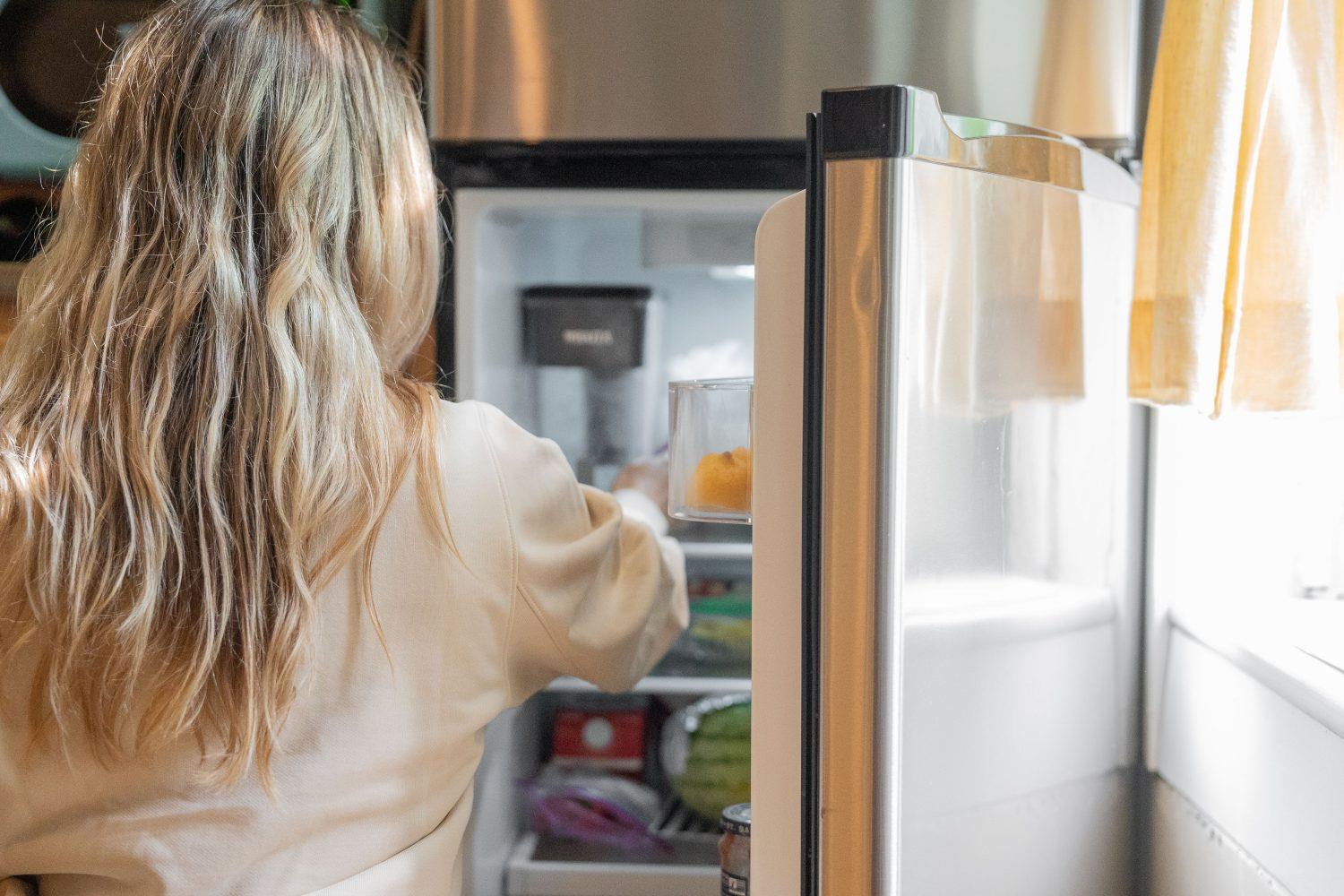
Packing groceries tightly into every available space can interfere with the way cold air circulates inside the refrigerator. Many models rely on internal vents to distribute cooled air between shelves and compartments. When containers, bags, or oversized items block those openings, some areas may become warmer than others. The refrigerator may then struggle to maintain consistent temperatures, which can affect food quality as well as efficiency.
You do not need to keep your refrigerator nearly empty to help it work properly. Instead, leave space around the vents and avoid stacking food against the rear wall if your model directs air through that area. Use clear containers and organize frequently used ingredients so you can find them without moving everything around. A refrigerator should be stocked sensibly, not packed so tightly that cold air cannot circulate.
5. Overlooking Worn or Dirty Door SealsThe rubber gasket around the refrigerator door creates a seal that helps keep cold air inside. If the gasket is dirty, cracked, loose, or damaged, cold air can leak out while warmer air enters. That forces the appliance to work harder to maintain its temperature and may cause it to run more frequently. A door that does not close fully can create a similar problem, even if the gasket itself appears to be in good condition.
Inspect the seal for visible tears, hardened sections, or areas that pull away from the door. Clean it gently with warm, soapy water and dry it thoroughly, following the manufacturer's care instructions. You can also check whether the door closes securely and whether food containers or shelves are preventing it from shutting. If the gasket is damaged or the door remains misaligned, consult the manufacturer or an appliance technician about repair options.
6. Placing the Refrigerator Too Close to Heat SourcesA refrigerator has to remove heat from its interior and release it into the surrounding room. When it sits beside an oven, next to a heat-producing appliance, or in direct sunlight, the surrounding heat can make that job more difficult. The effect depends on the refrigerator's design, the amount of heat exposure, and the temperature of the room. Poor ventilation around the appliance can create an additional problem by limiting how effectively it releases heat.
If you are choosing a location for a refrigerator, keep it away from direct sunlight and avoid placing it beside major heat sources when possible. Follow the manufacturer's required clearance around the sides, back, and top, since ventilation needs vary by model. If moving the refrigerator is impractical, check whether nearby appliances or cabinets are contributing to excess heat or restricting airflow. You may not be able to change your kitchen layout, but maintaining the recommended clearances can help your refrigerator operate as intended.
When a Higher Electric Bill Signals a Bigger ProblemSome electricity use is unavoidable because refrigerators operate continuously, and older models generally use more energy than comparable newer, efficient models. However, a sudden increase in running time, unusual noises, excessive frost, or difficulty maintaining a safe temperature may point to a problem beyond everyday habits. Damaged seals, faulty components, or ventilation issues can affect performance and may require professional attention. If you notice these warning signs, check the manual and consider having the appliance inspected instead of assuming the higher bill is normal.
It is also worth comparing electricity use across several billing periods before blaming the refrigerator alone. Seasonal heat, changes in household routines, electricity rate increases, and other appliances can all affect the total. If your refrigerator is older, check its energy information and compare the estimated operating costs of replacement models before making a purchase. A new appliance has an upfront cost, so replacing a working refrigerator solely to save electricity may not pay off quickly.
What To Read NextCheck Your Pantry: These 10 Foods May Belong in the Refrigerator
How Long Can Leftovers Really Stay in the Refrigerator Before They Need to Go?
Why You Should Take a Picture of Your Refrigerator Before Going Grocery Shopping
How Long Eggs Stay Fresh in the Refrigerator, According to USDA
6 Refrigerator Organization Hacks to Stop Wasting Food

Legal Disclaimer:
MENAFN provides the
information “as is” without warranty of any kind. We do not accept
any responsibility or liability for the accuracy, content, images,
videos, licenses, completeness, legality, or reliability of the information
contained in this article. If you have any complaints or copyright
issues related to this article, kindly contact the provider above.


Comments
No comment