


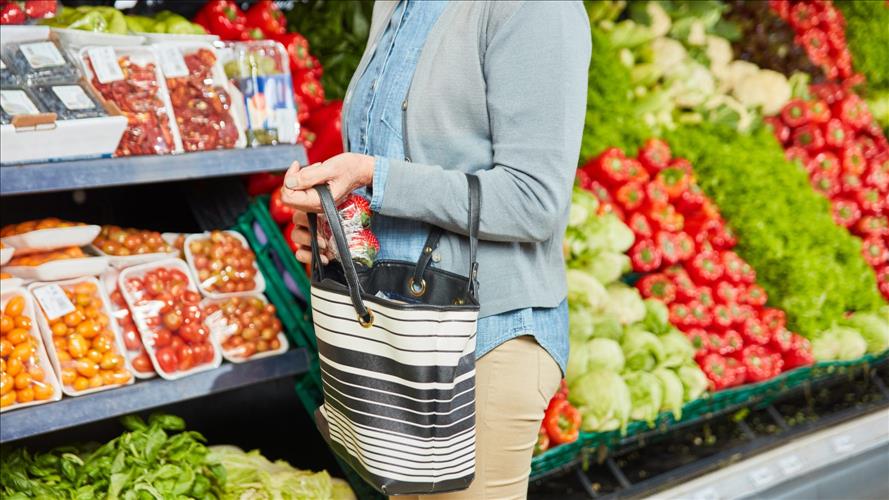
Americans Are Stealing Groceries - And 90% Of Recent Shoplifters Point To Economic Pressure


For many Americans, grocery shopping has become an uncomfortable exercise in deciding what can fit into the household budget. A cart filled with everyday necessities can cost more than expected, leaving shoppers reconsidering purchases they once made without much thought. A new survey is drawing attention to a troubling consequence of that financial pressure: more Americans say they have shoplifted, and many point to the cost of living as a contributing factor. According to LendingTree's July 2026 report, 30% of Americans surveyed said they had shoplifted at some point, up from 23% in 2024. Among respondents who reported shoplifting within the past year, 90% said inflation and the broader economy contributed to their decision. The findings raise questions about affordability, household finances, and what is happening when shoppers feel increasingly squeezed.
Grocery Stores Are a Major Part of the Shoplifting PictureLendingTree's survey found that grocery stores were the most commonly reported shopping location among respondents who admitted to shoplifting. Thirty-nine percent of those respondents said they had stolen from a grocery store, ahead of dollar stores and department stores. Food and nonalcoholic drinks were the most commonly reported category of stolen merchandise, cited by 30% of respondents who said they had shoplifted. Personal hygiene products and clothing also appeared among the frequently reported categories.
These numbers describe what people admitted in a survey, not a verified count of grocery thefts nationwide. They also do not mean that 30% of Americans currently steal groceries. The overall figure includes people who may have shoplifted years ago, while 37% of respondents who admitted to shoplifting said they had done so within the past year. That distinction matters because a survey about personal experiences cannot, by itself, establish how much grocery theft is occurring across the country or explain every incident.
Why Are People Stealing Food and Everyday Necessities?Economic pressure was the leading explanation reported by recent shoplifters in the LendingTree survey. Ninety percent said inflation and broader economic conditions played a role in their decision. When asked about specific motivations, 28% cited financial struggles, 19% said items had become too expensive to afford, and 17% said they shoplifted to make ends meet. Another 17% said they did it to save money.
Those answers suggest that some people view theft as a way to manage immediate financial problems, although the survey does not establish that every respondent was unable to afford food. A person struggling to cover rent, utilities, transportation, and groceries may feel pressure when several bills arrive at once. Others may steal for reasons unrelated to financial hardship, including convenience or personal gain. The findings point to affordability as a frequently reported motivation, but they should not be interpreted as proof that economic hardship explains every case of shoplifting.
Rising Grocery Costs Can Put Pressure on Household BudgetsFood prices affect more than the amount shoppers see on a receipt. Groceries compete with housing, insurance, fuel, electricity, childcare, and other recurring expenses that households cannot easily eliminate. Even when overall inflation slows, individual products can still get more expensive, making it hard for families to predict what their usual shopping trip will cost. A household already operating with little financial cushion may have fewer options when the total at checkout exceeds expectations.
That does not mean every shopper facing higher prices will steal, nor does financial strain make theft lawful. It does help explain why the issue extends beyond store security. When people report taking necessities because they feel unable to afford them, the findings raise questions about access to affordable food, emergency assistance, and household financial stability. The survey offers a snapshot of what respondents say motivates their behavior, not definitive evidence that rising prices alone drove a nationwide increase in theft.
Self-Checkout and Large Retailers Also Feature in the Discussion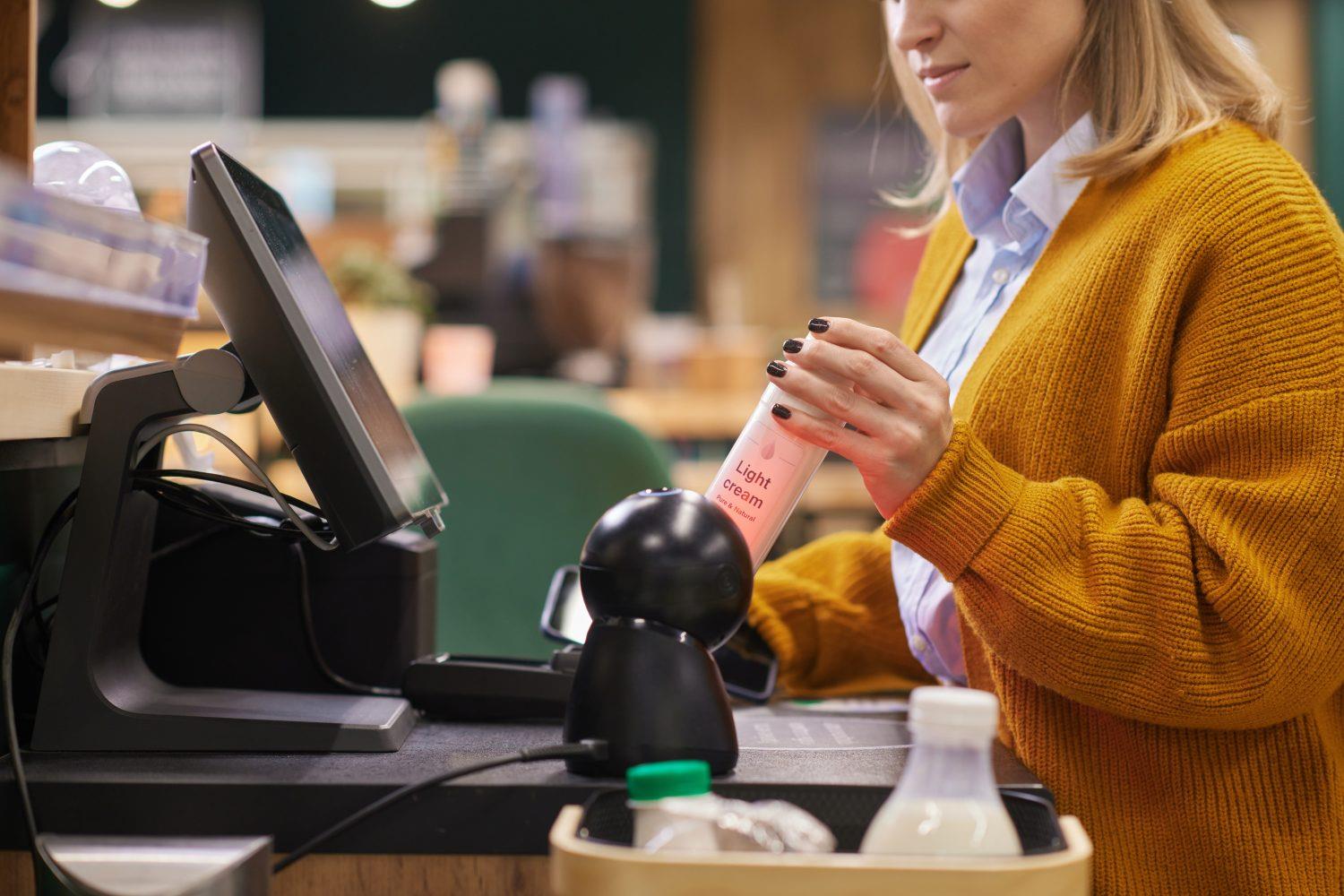
The survey found that respondents who admitted to shoplifting were slightly more likely to report stealing from chain stores than from local businesses. Large retailers may be familiar shopping destinations with broad selections of groceries, household goods, and personal care products. Their size and customer traffic can also make them feel less personal than a neighborhood store, although the survey does not prove why an individual chose a particular retailer.
Self-checkout is another part of the broader retail theft conversation because it changes how customers interact with stores. These systems allow shoppers to scan and bag their own items, and they can sometimes create opportunities for mistakes or intentional nonpayment. However, the survey should not be treated as proof that self-checkout is responsible for the reported behavior. Retail theft has multiple causes, and retailers also report concerns about repeat offenders and organized theft. It is important to distinguish those issues from survey respondents who describe stealing everyday goods under financial pressure.
Shoplifting Can Create Bigger Financial ProblemsStealing groceries may seem to offer an immediate way to reduce spending, but the consequences can make an already difficult financial situation worse. Depending on the circumstances and local law, shoplifting can lead to store bans, civil demands, fines, arrest, or criminal charges. The consequences vary according to the value of the merchandise, a person's history, and the details of the incident. Even an encounter that does not result in an arrest can be stressful and costly.
A theft-related record or unresolved legal matter can also complicate future employment, housing applications, and other opportunities. LendingTree's chief consumer finance analyst has warned that shoplifting can create financial costs that outlast the original purchase. For retailers, theft can also mean lost merchandise and additional expenses for prevention and security. The survey's economic findings help explain why some respondents say they took the risk, but they do not remove the potential consequences for the individuals involved or the businesses affected.
What the Findings Mean for Shoppers and RetailersThe survey highlights a tension between two realities: retailers must protect their merchandise, while some households say they are struggling to afford everyday necessities. Stores may respond to theft with additional security, more employee oversight, or changes to how certain products are displayed. Such measures can affect the shopping experience, particularly when customers encounter locked cases or additional checkout procedures. Retailers also have to consider employee safety and the cost of preventing theft.
For shoppers dealing with tight budgets, the practical response is to look for ways to lower grocery costs before a financial emergency develops. Comparing unit prices, planning meals around sale items, using available coupons, checking discount sections, and choosing store brands can help stretch a grocery budget. Households that cannot afford enough food may also qualify for assistance through SNAP, local food banks, or community food programs. These options will not solve every financial problem, but they can provide alternatives for people who need help covering basic necessities.
A Survey That Raises Questions About Food AffordabilityLendingTree's findings offer a glimpse into how some Americans describe their own shoplifting behavior, with economic pressure emerging as a frequently cited factor among recent offenders. The results are significant as a measure of what respondents reported, but they should not be mistaken for official crime statistics or proof that most theft is driven by hunger. The survey also includes people who reported stealing for other reasons, showing that the issue cannot be explained by one motivation alone.
Ultimately, the figures raise a broader question about the strain households feel when essential expenses compete for limited income. Shoplifting remains a risky and potentially costly response, but reports of people taking food and personal care products because of financial pressure deserve attention. Understanding the difference between self-reported motivations, verified theft trends, and the wider cost-of-living picture is essential to discussing the problem accurately. The challenge is to address affordability concerns while recognizing the real consequences of retail theft for workers, businesses, and communities.
What To Read NextThe Rise of the Grocerant: How Supermarkets Are Stealing Dinner from Restaurants in 2026
People Are Stealing Meat-And Grocery Chains Are Quietly Adjusting for It
8 Items Stores Are Locking Behind Glass More Often in 2026
Store Supervisors Say Theft Prevention Measures Are Changing Customer Flow
From Sneaky to Shocking: 8 Grocery Store Theft Methods

Legal Disclaimer:
MENAFN provides the
information “as is” without warranty of any kind. We do not accept
any responsibility or liability for the accuracy, content, images,
videos, licenses, completeness, legality, or reliability of the information
contained in this article. If you have any complaints or copyright
issues related to this article, kindly contact the provider above.


Comments
No comment