


From Self-Checkout To Digital Coupons: 10 Grocery Changes Shoppers Love To Hate


Grocery shopping used to be relatively straightforward: grab what you need, compare a few prices, check out, and head home. Today, shoppers face a growing list of extra steps, from downloading store apps to scanning their own groceries while waiting for an employee to fix a machine. Many of these changes were introduced to make shopping faster or help customers save money, but the experience does not always match the promise. Some shoppers appreciate the convenience, while others feel they are doing more work just to buy the same groceries. Here are 10 grocery store changes that continue to frustrate customers.
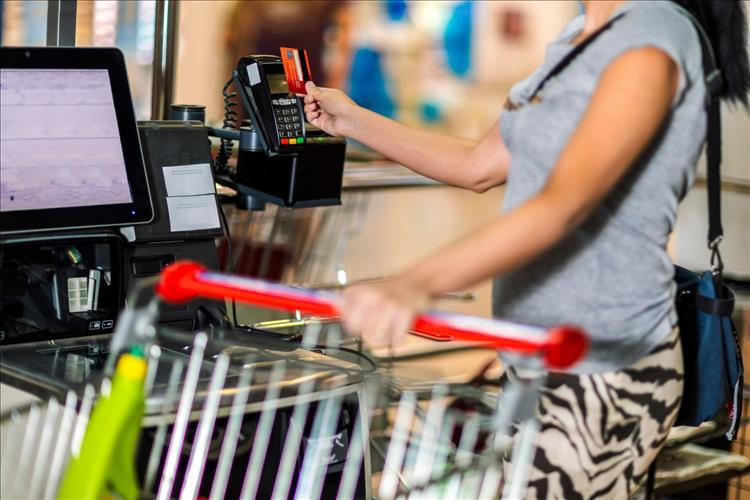
1. Self-Checkout That Turns Customers Into CashiersSelf-checkout was supposed to make grocery trips faster by allowing shoppers to scan and bag their own purchases. For customers buying only a few items, it can still be convenient. However, the experience changes when a machine refuses to scan produce, flags an unexpected item, or freezes during payment. Suddenly, shoppers are doing the work themselves while waiting for an employee to resolve the problem.
The frustration grows when stores reduce the number of staffed checkout lanes, leaving customers with fewer alternatives. Self-checkout is not universally disliked, and some shoppers prefer the control and privacy it offers. The problem arises when customers have no practical choice, especially when buying a full cart of groceries. If the technology is supposed to save time, it should not leave shoppers troubleshooting equipment while their frozen food sits in the cart.
2. Digital Coupons That Require an AppDigital coupons promise savings, but using them often requires more effort than shoppers expect. Customers may need to download an app, create an account, sign in, search for offers, and tap each coupon before heading to the register. Forgetting one step can mean paying full price for an item that was advertised at a discount, even when the shopper knew the deal existed.
Technical problems can make matters worse. Coupons may fail to load, discounts may not appear on receipts, or shoppers may discover that an offer applies only to a particular size or variety. The result is an extra task before shopping and another thing to check afterward. Digital coupons can be valuable, but shoppers should not have to navigate a complicated process just to receive an advertised deal.
3. Sale Prices That Require a Loyalty AccountMany grocery stores advertise lower prices for customers who join a free loyalty program. While signing up can unlock legitimate savings, it also means shoppers may need to provide personal information and remember to identify themselves at checkout. Customers who do not participate may see a higher shelf price for the exact same product, even when they shop at the same store regularly.
These programs can also make price comparisons confusing. A shopper may see a large sale sign but discover that the advertised price requires a loyalty account or a specific purchase quantity. Some customers are happy to join, while others prefer not to share their information or manage another account. Clear shelf labels and straightforward explanations would make it easier for everyone to understand the actual price before placing an item in the cart.
4. Fewer Cashiers and Longer Checkout Lines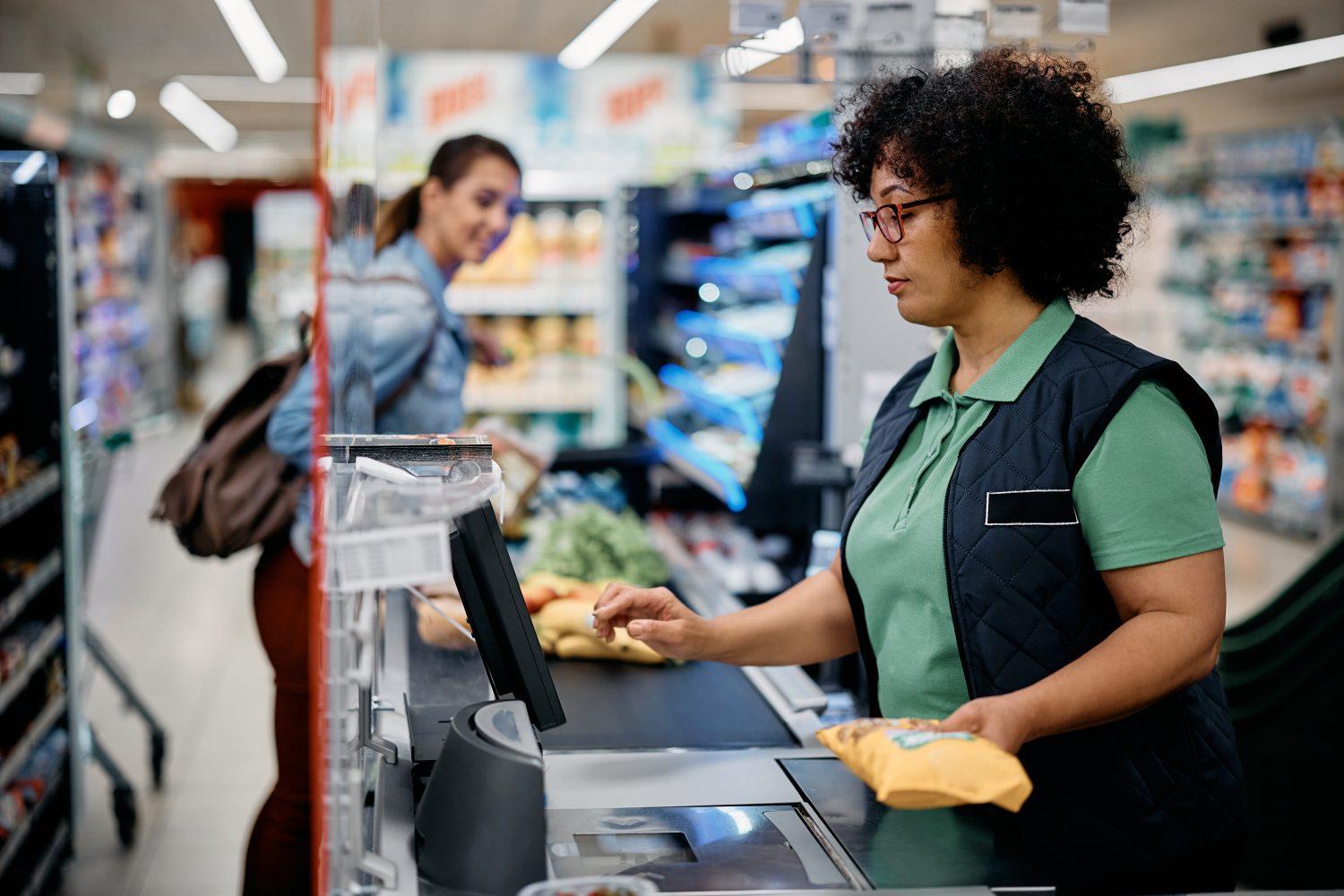
A store may have several checkout lanes, but that does not help much when only one or two are staffed. During busy periods, customers can find themselves waiting behind full carts while other lanes remain closed. For shoppers who have already spent time finding products, navigating crowded aisles, and comparing prices, a long checkout line can become the most frustrating part of the trip.
Staffing decisions may reflect labor costs, scheduling challenges, and the store's use of self-checkout technology. Still, customers notice when getting out the door takes longer than expected. This can be particularly difficult for parents shopping with children, people with mobility limitations, or anyone trying to fit grocery shopping into a short break. A balance of staffed lanes and self-checkout options would give customers more flexibility.
5. Prices That Change Depending on How You ShopShoppers increasingly encounter different prices depending on whether they use a loyalty card, activate a digital coupon, buy multiple items, or shop through an online platform. Some differences are easy to understand, such as a clearly labeled multi-buy promotion. Others require reading fine print or checking several screens to figure out what the store is actually charging.
The extra work can make budgeting harder because the shelf price may not reflect what every customer will pay. Online grocery orders can introduce another layer of complexity through service fees, delivery charges, and different item prices. Shoppers benefit when stores explain these differences upfront. A clear, consistent price is easier to compare and plan around than a deal that requires several conditions to receive the advertised savings.
6. Digital Receipts Replacing Paper CopiesDigital receipts can reduce paper waste and make it easier to track purchases, but not every shopper wants another message in an email inbox or an entry in a store app. Some retailers encourage customers to choose electronic receipts during checkout, adding another decision to an already busy transaction. Customers who simply want proof of purchase may prefer a paper receipt they can check immediately.
Electronic receipts also depend on having access to the right account, email address, or app. If a shopper needs to return an item or verify a price, finding the receipt later can become an unnecessary hassle. Digital options are useful when they remain optional, but stores should make it easy to choose paper without navigating a confusing screen. Convenience should mean having a choice, not being pushed toward one format.
7. Produce Codes and Scales That Slow Everything DownBuying fresh produce can be simple until a self-checkout machine asks for a code or requires an item to be weighed. Shoppers may need to identify the correct variety of apple, distinguish between regular and organic produce, or search through several menu screens to find the right entry. If the barcode is missing or the scale does not register correctly, an employee may have to intervene.
These extra steps are especially frustrating when customers have purchased several types of fruits and vegetables. A shopper who knows exactly what they bought can still struggle to find the matching entry on a crowded screen. Clearer labels, more reliable scanners, and better produce identification would make the process easier. Until then, taking a moment to check the produce label can help prevent mistakes and reduce checkout delays.
8. Product Locations That Keep ChangingYou finally learn where the pasta, canned tomatoes, and coffee are located, only to discover that the store has rearranged the aisles. Retailers sometimes move products to refresh the shopping experience, accommodate new inventory, or encourage customers to notice other items. But frequent changes can turn a familiar grocery trip into a scavenger hunt, particularly for shoppers who visit the same store every week.
The inconvenience is not just about finding one misplaced product. Shoppers may need to backtrack through several aisles, spend longer in the store, or ask employees for directions. This can make it harder to stick to a shopping list and finish quickly. Occasional rearrangements are understandable, but stores can reduce frustration by updating signs, keeping essential items easy to locate, and helping customers find relocated products.
9. Online Orders With Unexpected SubstitutionsGrocery pickup and delivery can save time, but substitutions are a frequent source of frustration. A shopper may order a specific brand, size, or ingredient only to receive a different product because the original is unavailable. Sometimes the replacement costs more, comes in a different quantity, or does not work for the recipe the shopper planned to make.
Substitutions are not always avoidable, especially when popular products sell out. However, customers should be able to set clear preferences, reject unsuitable replacements, and understand how price differences are handled. Checking substitution settings before submitting an order can help, and choosing no substitution for essential ingredients may prevent unwanted purchases. Online grocery shopping works best when customers remain in control of what ends up in their bags.
10. Digital-Only Deals That Leave Some Shoppers BehindDigital discounts can help stores offer targeted promotions, but app-only deals create barriers for customers who do not own a smartphone, have limited data access, or simply do not want to use another app. When the best advertised price requires a digital account, shoppers without access to that technology may pay more for the same groceries. The savings are technically available, but not equally convenient for everyone.
This issue matters because grocery discounts are often most valuable to households working with tight budgets. Requiring customers to navigate digital systems can add time and make basic shopping feel unnecessarily complicated. Stores can make promotions more accessible by offering equivalent paper coupons, in-store assistance, or alternative ways to redeem advertised discounts. Technology should expand opportunities to save rather than make shoppers feel they need a smartphone to get a fair deal.
Grocery Shopping Should Make Saving Money EasierMany of these changes have genuine benefits. Self-checkout can reduce waiting for some customers, digital coupons can unlock meaningful discounts, and online ordering can save a trip to the store. The frustration comes when convenience depends on extra work, confusing rules, or technology that does not function as expected. Shoppers want useful options, not another series of tasks before they can get home with their groceries.
For now, customers can protect their time and budget by checking digital offers before shopping, reviewing receipts, comparing final prices, and choosing the checkout method that works best for them. Stores, meanwhile, can improve the experience by keeping pricing transparent, maintaining reliable equipment, and offering alternatives for customers who prefer traditional service. Grocery shopping may continue to change, but saving money should not require shoppers to solve a new problem every time they visit.
What To Read Next11 Self-Checkout Mistakes That Drive Store Employees Crazy
The Self-Checkout Glitch Leaving Some Target and Walmart Shoppers Unable to Pay
How Self-Checkout AI Is Changing In-Store Deals (and Your Prices)
Why Self-Checkout Lanes Are Fueling a New Kind of Shoplifting Crisis
If You Do Any Of These 8 Things At The Self-Checkout, Everyone Secretly Hates You

Legal Disclaimer:
MENAFN provides the
information “as is” without warranty of any kind. We do not accept
any responsibility or liability for the accuracy, content, images,
videos, licenses, completeness, legality, or reliability of the information
contained in this article. If you have any complaints or copyright
issues related to this article, kindly contact the provider above.


Comments
No comment