



10 Grocery Store Products That Look Like Deals Until You Check The Unit Price


A bright sale sign can make an ordinary grocery item look like a bargain, especially when you're trying to stretch your food budget. But the price on the shelf doesn't always tell you whether you're getting the most for your money. Smaller packages, multipacks, and special promotional labels can make one product appear cheaper even when another option costs less per ounce, pound, or individual item. Checking the unit price can reveal which deals are worth taking and which ones only look attractive at first glance. Here are 10 grocery store products worth comparing before you put them in your cart.
1. Breakfast Cereal in Smaller BoxesCereal boxes often look similar on the shelf, but their contents can vary significantly. A smaller box may cost less at checkout, making it appealing when you're trying to keep a grocery trip within budget. However, if the box contains considerably less cereal, the price per ounce may be higher than that of a larger box. This is especially worth checking when a familiar brand is on sale but its larger size isn't included in the promotion.
Compare the unit prices of different box sizes instead of assuming the biggest discount represents the best value. Store brands may also offer a lower cost per ounce without sacrificing the type of cereal your household prefers. Still, buying a larger box only makes sense if your family will finish it before the cereal goes stale. The best deal is the one that balances price, quantity, and how much you will actually use.
2. Bagged Chips and Snack MultipacksIndividual snack bags offer convenience, but that convenience can come at a higher price per ounce. A multipack may seem economical because it contains several bags for one advertised price, yet each bag can hold a relatively small serving. Meanwhile, a larger family-size bag may provide more snack food for the same amount of money. The difference can be easy to overlook when you're comparing packages with different serving counts.
Check the total net weight of the multipack rather than focusing on the number of bags inside. Then compare its price per ounce with a larger bag of the same product or a similar store-brand alternative. If individual portions help prevent waste or make packing lunches easier, the extra cost may still be worthwhile. But if you're buying snacks primarily to save money, portioning a larger bag at home could be the better option.
3. Shredded Cheese in Small BagsShredded cheese is convenient for tacos, casseroles, salads, and quick meals, but smaller bags can carry a surprisingly high price per ounce. A sale sticker may make an eight-ounce package appear inexpensive without showing how much more you could pay compared with a larger bag. This matters when cheese is a regular item on your grocery list, and you use it throughout the week. Comparing different package sizes can reveal whether the convenience of a smaller bag is worth the difference.
Before choosing, compare the unit prices of shredded cheese, block cheese, and store-brand options. A block may offer better value, although you will need to spend time grating it yourself. Larger packages are most useful when you can store the cheese properly and finish it before quality declines. If a bigger bag is likely to go unused, a smaller package may still be the more economical purchase for your household.
4. Yogurt MultipacksYogurt multipacks often look like an easy way to save on breakfast, lunchboxes, or snacks. However, the number of cups doesn't tell you how much yogurt you're getting overall. Some packs contain smaller portions than others, and flavored varieties or products with special ingredients may cost more per ounce than basic options. A discounted multipack can still be more expensive than a larger tub of the same type of yogurt.
Compare the total ounces in the multipack with the net weight of larger containers, then check the unit price. If everyone in your household prefers individual cups, the extra packaging may be worth paying for because it helps with portion control and convenience. If you're comfortable serving yogurt from a larger tub, you may be able to save money and reduce packaging waste. Just make sure the container size matches how quickly your household goes through yogurt.
5. Bottled Water and Flavored WaterCases of bottled water can seem like a bargain because they offer many bottles for one price. But the total number of bottles doesn't reveal whether each bottle contains the same amount, and smaller bottles can cost more per gallon than larger ones. Flavored water and enhanced water products may also have different prices despite appearing similar on the shelf. Comparing only the case price can therefore make it difficult to spot the better value.
Look at the total volume in the package and compare the unit price across bottle sizes and brands. If your household has safe tap water, a reusable bottle may be substantially less expensive for everyday hydration. Bottled water can still be useful for travel, emergencies, or situations where tap water isn't available or suitable. The key is to decide whether you're paying for the water itself, a flavor, or the convenience of a disposable bottle.
6. Laundry Detergent BottlesLaundry detergent labels can make comparing products harder than it seems. One bottle may advertise more loads than another, but the number of loads depends on the recommended dose and the size of each load. Concentrated formulas can use less detergent per wash, so a smaller bottle may last longer than its size suggests. A large bottle with a lower shelf price isn't automatically the most economical choice.
Compare the price per load when that information is available, and check the manufacturer's recommended amount for a normal load. Avoid assuming that using extra detergent will make clothes cleaner, since too much can leave residue and may require additional rinsing. Also consider whether the detergent works with your washing machine and laundry needs. The best value is the product that cleans effectively at the appropriate dose for the lowest reasonable cost per load.
7. Paper Towels With Different Sheet CountsPaper towels frequently come in packages labeled with terms such as double rolls, mega rolls, or family-size packs. Those descriptions can make products sound comparable even when the number of sheets and their dimensions differ. One package may have more sheets but smaller individual sheets, while another may contain fewer sheets that are larger or thicker. A lower package price doesn't necessarily mean you're getting more usable paper for your money.
Check the total sheet count, sheet size, and unit price where available. Comparing cost per sheet can help, but it doesn't fully account for differences in absorbency or durability. If a more absorbent towel allows you to use fewer sheets, paying slightly more may still be worthwhile. For routine spills and cleaning, though, comparing similar products by size and price can help you avoid paying extra for packaging claims that don't translate into better value.
8. Canned Vegetables and BeansCanned vegetables and beans are pantry staples, but their package sizes and contents can differ. A can with a lower shelf price may contain less food, while another may include more liquid relative to its drained contents. This can affect the amount of usable food you get for recipes such as soups, chili, casseroles, and salads. Sale prices are worth checking, but the lowest price per can isn't always the lowest cost for the ingredient you need.
Compare the net weight and, when available, the drained weight if you primarily use the solid ingredients. Store brands may offer similar products at a lower unit price, particularly for basic vegetables and beans. Also check whether the recipe calls for a specific quantity, because a cheaper package could leave you needing an additional can. If you use canned ingredients regularly, comparing prices during each shopping trip can help you build a more economical pantry.
9. Fresh Berries in Small Containers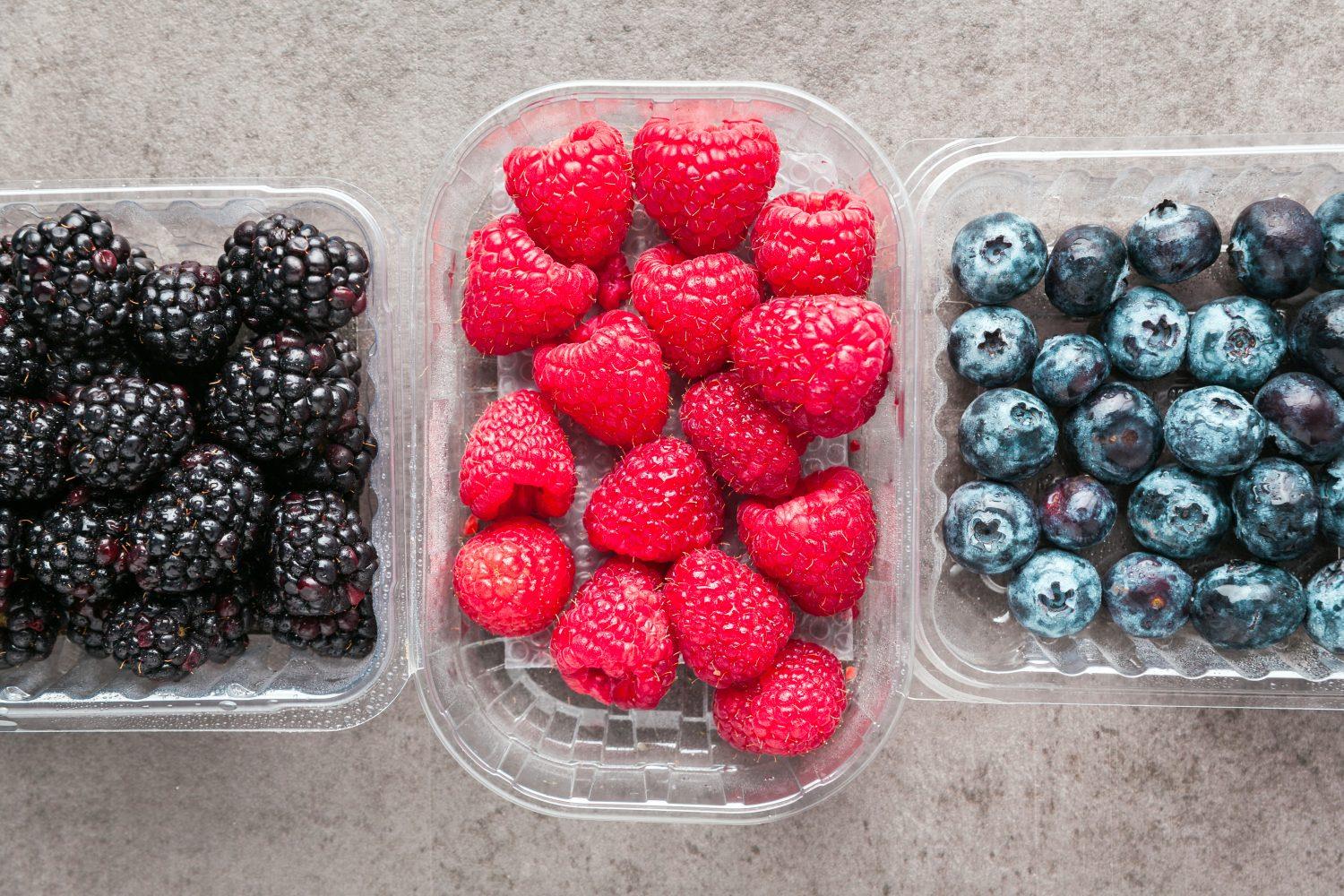
Small containers of strawberries, blueberries, raspberries, and blackberries can appear affordable because the checkout price is relatively low. But the containers may hold much less fruit than they seem to, making the price per pound higher than that of a larger package. Berries are also perishable, so a larger container isn't automatically a bargain if you can't eat or freeze the fruit in time. Comparing the unit price is only one part of deciding which package makes financial sense.
Check the price per pound and inspect the fruit for mold, bruising, or leaking juice before buying. If a larger package costs less per pound, consider whether you can freeze the extra berries for smoothies, oatmeal, or baking. Frozen berries may also offer better value when fresh prices are high, depending on the brand and package size. Choose the option that gives you the lowest cost for the amount of fruit you're likely to use without wasting it.
10. Family-Size Frozen Meals and PizzaFamily-size frozen meals and pizzas often feature large package labels and promotional prices that suggest a better deal. However, the total price doesn't show how many people the product will actually feed or how much food each serving provides. A smaller product on sale may cost less per ounce, while a larger package may still be cheaper per serving. Differences in toppings, ingredients, and preparation can also affect whether two products are truly comparable.
Check the unit price, serving information, and package weight before deciding. If you're buying a frozen meal as a quick dinner for several people, consider whether you'll need additional sides or another product to make the meal sufficient. A cheaper pizza may not save money if your household needs two of them, while a larger option could leave leftovers for lunch. Compare products based on the amount of food your household will eat, not simply the size of the box or the discount on the shelf.
How to Use Unit Prices Without Overthinking Every PurchaseYou don't need to calculate every grocery item by hand to shop more carefully. Many supermarkets display unit prices on shelf labels, often showing the cost per ounce, pound, quart, or individual unit. When comparing products, make sure you're looking at the same measurement and similar items. If one product costs 20 cents per ounce and another costs 16 cents per ounce, the second option is cheaper by weight, assuming the products are reasonably comparable.
Remember that the lowest unit price isn't always the best purchase for your household. Bulk packages can go to waste, premium ingredients may differ in quality, and smaller portions can be useful when you need convenience or want to control how much you eat. Use unit prices to identify products worth a closer look, then consider storage, shelf life, and how often you'll use them. A few quick comparisons can help you spend less without turning every grocery trip into a math exercise.
What To Read NextUber Eats Deals That Look Good Until You Check the Final Total
Digital-Only Grocery Deals Can Leave Some Shoppers Paying More
The“Just One More Store” Trap: When Chasing Grocery Deals Stops Saving Money
6 Meat Deals to Compare Carefully During End-of-Summer Cookout Sales
The Best Time of Day to Grocery Shop for Clearance Meat and Bakery Deals
Legal Disclaimer:
MENAFN provides the
information “as is” without warranty of any kind. We do not accept
any responsibility or liability for the accuracy, content, images,
videos, licenses, completeness, legality, or reliability of the information
contained in this article. If you have any complaints or copyright
issues related to this article, kindly contact the provider above.


Comments
No comment