


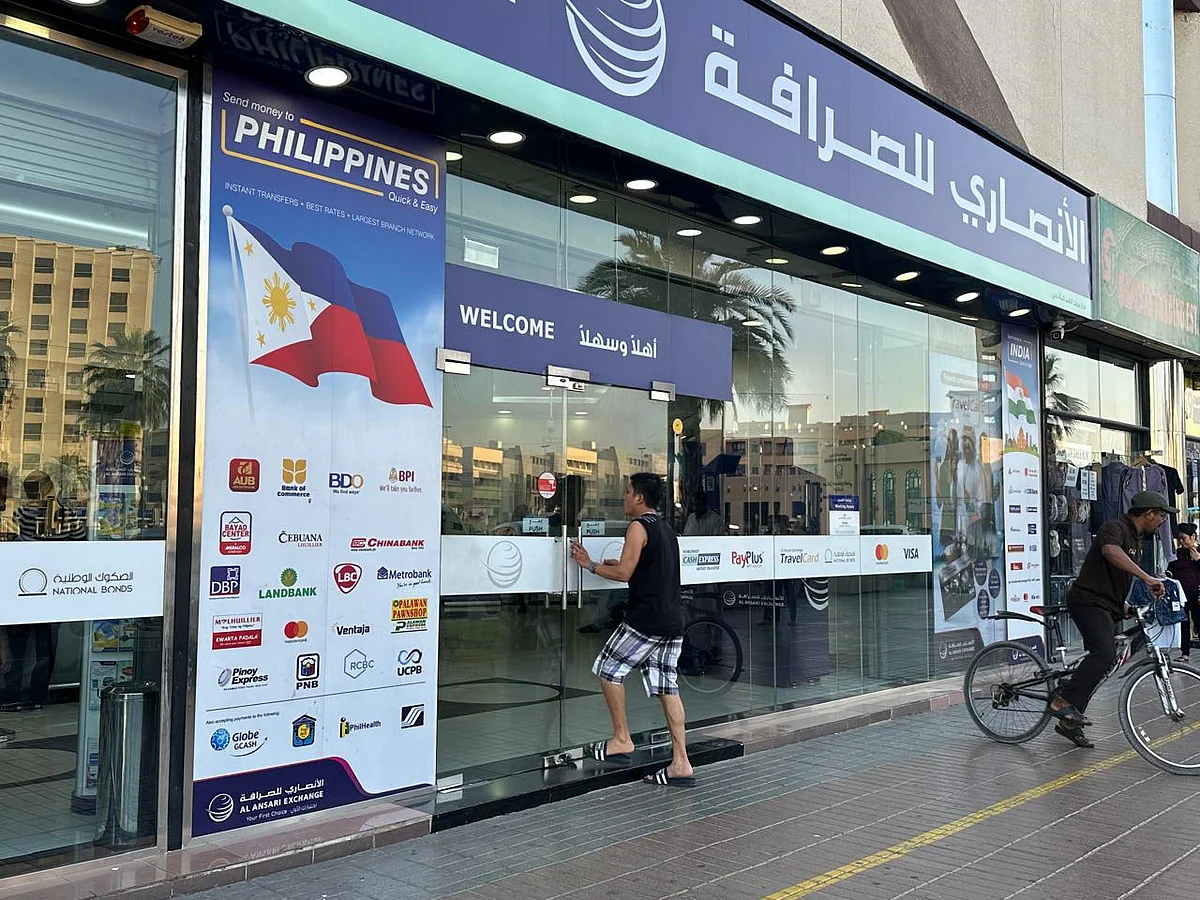
Philippine Peso Hits Record Low As Government Urges Ofws To Send More Money Home


One US dollar is now worth P63.52 (while Dh1 is equivalent to P17.27) as volatile oil prices and heightened tensions in the Middle East undermined efforts by the Philippine central bank to stem the peso's decline.
Recommended For YouThursday's dive marked the 35th Philippine currency slide since the Middle East war started earlier this year and the fourth straight trading day on which the peso ended at a historic low.
Stay up to date with the latest news. Follow KT on WhatsApp Channels. Desperate for more remittances
As authorities allay fears about the country's foreign exchange reserves, the Philippine Department of Finance (DoF) has announced new measures to encourage Filipino workers abroad to send more money home.
DoF Secretary Frederick Go is pushing for lower remittance fees so overseas Filipino workers (OFWs) can send more of their hard-earned money home.
Go said fair and transparent exchange rates must be ensured, as remittance charges can consume a significant share of the money OFWs send to their families back in the Philippines. The finance chief cited fees of around 6 to 10 per cent, while the World Bank reported an average global cost of 6.36 per cent for sending remittances.
The DoF has also backed efforts to make digital transfers cheaper, including initiatives through government-owned Land Bank of the Philippines to reduce transaction fees.
The push aims to ease the cost of sending money home and help Filipino families benefit more from their earnings, the DoF said.
Appeal in time for Christmas seasonThere are approximately 10.7 million Filipinos working and living abroad, the Commission on Filipino Overseas said, most of whom regularly remit money to their families back in the Philippines.
They account for about 10 per cent of the country's population, while their remittances represent about 8.7 per cent of the country's economy.
OFW cash remittances experience a significant seasonal surge as Christmas approaches, typically increasing by as much as 20 per cent between November and December in the years since the Covid pandemic.
The Bangko Sentral ng Pilipinas confirms that December consistently logs the highest monthly inflow of the year.
In December 2025, cash remittances surged from $2.91 billion in November to an all-time record of $3.52 billion - a massive 21 per cent increase.
What drives the year-end surge?Many Filipino migrant workers across the United States, Europe, and Asia receive year-end bonuses, 13th-month pay, or take on additional holiday shifts, enabling them to send more money home.
Even if year-end and Yuletide season bonuses are not guaranteed in many countries that host OFWs, Filipinos send extra cash back home as Christmas draws near to ensure their families' celebrations during the festive season.
Filipinos hold family gatherings and exchange gifts during Christmas and New Year.
Lauro, a long-time migrant worker in Kuwait, said sending extra cash before Christmas is his way of celebrating with his family back home.“When I watch their videos of them having the traditional midnight meal on Christmas Eve, it somehow makes up for my absence,” he told Khaleej Times.
Lauro said he is saving up by working more overtime to send more money back home by early December.
It is this tradition and mindset on which the Philippine government relies to replenish the country's dwindling foreign currency reserves.
ALSO READ- Philippine President Marcos, wife combined wealth hits P1.45 billion amid sluggish economy Philippine peso hits record low of P63.15 against US dollar as inflation surges Philippines reaches upper-middle income status: Will it put more food on the table?

Legal Disclaimer:
MENAFN provides the
information “as is” without warranty of any kind. We do not accept
any responsibility or liability for the accuracy, content, images,
videos, licenses, completeness, legality, or reliability of the information
contained in this article. If you have any complaints or copyright
issues related to this article, kindly contact the provider above.


Comments
No comment