


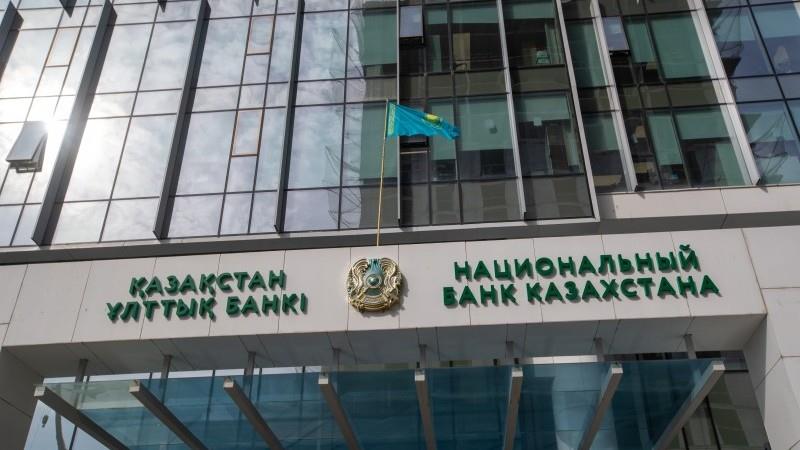
Kazakhstan Cuts By 50Bp As The Region Continues To Defy Global Hawks


| 15.75% | NBK base rate a 50 basis point cut |
| Lower than expected |
The National Bank of Kazakhstan (NBK) cut its base rate by 50bp to 15.75%, at the dovish end of the 25-50bp range of market expectations and a stronger move compared to our cautious 25bp call. We saw room for another cut thanks to lower inflation, improving inflation expectations and continued tenge strength, but expected the worsening global rates backdrop to encourage a smaller step.
Instead, the NBK opted against shortening the step compared to the September decision amid continuing improvement in domestic conditions. Annual CPI slowed to a below-expected 9.3% year-on-year, while inflation expectations of households and economists continued to improve. Today's decision therefore reinforces our broader view that Kazakhstan, similar to some of its neighbours in the region, has so far proved relatively resilient to the deterioration in the global inflation and rates story.
NBK makes another 50 bp cut as actual CPI and inflation expectations continue to softenKazakhstan CPI, households' 12M CPI expectations, and base rate
Source: NBK, CEIC, ING"> The tenge remains key to the domestic disinflation story
That resilience is likely to be tested, as underlying price pressures in Kazakhstan remain significant. Disinflation remains concentrated in the food segment, while non-food and services parts of the consumer basket are showing stickier price growth. Despite the overall slowdown, CPI still remains significantly above the 5% target. Domestic demand, despite recent moderation in GDP growth, remains robust and supported by fiscal and quasi-fiscal measures.
This makes Kazakhstan's disinflation story increasingly reliant on the tenge, which has rallied 11% against the US dollar since the outbreak of the Iran war and by 20% YoY, insulating Kazakhstan from other price pressures. This view seems to be confirmed by the NBK, as the central bank makes a direct link between favourable inflation dynamics and the exchange rate. While we have a constructive view on the tenge for the medium term, its dependence on volatile portfolio flows and commodities should be seen as a watch factor.
Kazakhstan's disinflation is relying heavily on the tengePrecursors of Kazakhstan's CPI (% YoY)
Source: Refinitiv, CEIC, national sources, ING"> Resilient, not immuneThis growing reliance on a single disinflationary factor explains why NBK's forward guidance has become explicitly more cautious. The central bank noted that global monetary conditions are tightening and identified higher global food and energy prices and tighter global financial conditions among the inflation risks. The regulator indicated the low likelihood of a change in the base rate by the end of 2026.
This fits our recent regional view, suggesting that the economies have so far shown resilience to higher global inflation and core rates. That being said, they are not fully immune to it – especially if the global context continues to deteriorate.
FX should remain pivotal from hereAs long as the tenge remains strong, it can continue to contain imported inflation, allowing NBK to retain scope for cuts in nominal rates in the medium term. But maintaining that FX resilience in a less supportive global environment is likely to require keeping real rates high. That leaves us expecting a hold in December and a cautious easing path in 2027.

Legal Disclaimer:
MENAFN provides the
information “as is” without warranty of any kind. We do not accept
any responsibility or liability for the accuracy, content, images,
videos, licenses, completeness, legality, or reliability of the information
contained in this article. If you have any complaints or copyright
issues related to this article, kindly contact the provider above.


Comments
No comment