


Your Bananas Keep Turning Brown Too Fast - Try This Simple Change


You buy a bunch of bananas at the grocery store, bring them home, and set them on the counter. A few days later, the bright yellow peels are covered in brown spots, and some of the fruit feels softer than you expected. If this happens regularly, a small change in where you store your bananas could help you get more time to enjoy them. Bananas naturally continue ripening after they are picked, but temperature, nearby fruit, and bruising can affect how quickly that happens. The goal is not to stop ripening completely, but to slow it down and make your grocery purchase last longer.
Move Bananas Away From Your Other FruitOne of the simplest changes is to stop storing bananas in the same fruit bowl as apples, avocados, and other ripening produce. Bananas release ethylene, a natural plant product that helps fruit ripen. Other fruits can release ethylene, too, and storing several ripening fruits together may speed up the process. If your bananas go from green to heavily spotted almost overnight, the crowded fruit bowl may be part of the problem.
Try placing your bananas in a separate spot on the counter, away from other ripe fruit. You do not need a special storage container or an expensive gadget to make this change. Just give the bananas their own space where air can circulate. This won't stop them from ripening, but it can reduce exposure to ethylene from nearby fruit and make it easier to monitor how quickly the bunch changes.
Refrigerate Them Once They Reach the Ripeness You LikeMany people assume bananas should never go in the refrigerator. That advice makes sense while bananas are still green because cold temperatures can interfere with normal ripening and damage the peel. However, once bananas have reached the ripeness you want, refrigeration can help preserve the fruit inside for several more days. This is particularly useful if you prefer yellow bananas and know you will not eat the entire bunch immediately.
The surprising part is that the peel may turn brown or even nearly black in the refrigerator. That color change does not automatically mean the banana has spoiled. The inside can remain firm and flavorful even when the exterior looks less appealing. Put ripe bananas in the refrigerator when you want to slow further ripening, and check the fruit itself rather than judging freshness by peel color alone.
Understand Why Bananas Turn Brown in the First PlaceBananas change color because ripening involves several natural processes. As the fruit matures, enzymes break down green pigments in the peel, allowing yellow pigments to become more visible. The fruit also softens as its structure changes, while starches are converted into sugars that give ripe bananas their sweeter taste. Eventually, brown spots develop as the peel continues to age.
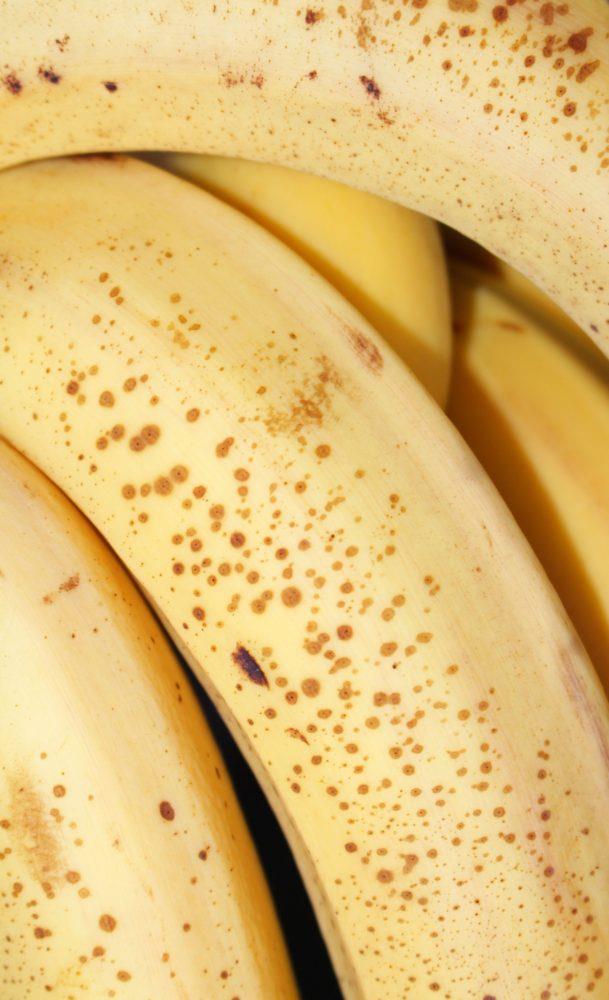
Not every brown spot means something is wrong. Small freckles are a normal part of ripening and often appear when bananas are sweet and ready to eat. Bruising, on the other hand, can cause darker patches when the fruit is bumped, squeezed, or dropped. Warm temperatures can also accelerate ripening, so a bunch sitting beside a sunny window or near a warm appliance may change faster than one kept in a cooler area of the kitchen.
Keep Bananas Out of Direct Sunlight and HeatA sunny kitchen counter may look like the perfect place for a fruit bowl, but it is not always the best location for bananas. Direct sunlight and nearby heat sources can raise the fruit's temperature and encourage faster ripening. A counter beside the stove, oven, or a frequently used appliance may also be warmer than you realize. Moving the bunch to a cooler, shaded area is an easy way to improve your storage routine.
You do not need to refrigerate bananas while they are still green just to keep them cool. Instead, choose a dry spot away from direct sunlight and let the fruit ripen naturally at room temperature. Avoid leaving bananas in tightly closed plastic bags, which can trap moisture and contribute to deterioration. If you bring bananas home in a produce bag, remove them from it before storing them on the counter.
Try Wrapping the StemsYou may have seen the trick of wrapping banana stems in plastic wrap or aluminum foil. The idea is to limit the exchange of ethylene around the stem area and potentially slow ripening. Some households find that wrapping the stems helps bananas stay at their preferred stage a little longer, especially when combined with other storage changes. It is inexpensive to try if you already have the materials at home.
However, stem wrapping is not a guaranteed solution, and the effect may be modest. Bananas continue producing and responding to ethylene throughout the ripening process, so covering the stems will not stop the fruit from changing color. If you try this method, treat it as an extra step rather than the main strategy. Keeping bananas away from heat and other ripening fruit, then refrigerating them once ripe, is a more practical overall approach.
Separate the Bunch if You Do Not Eat Them All at OnceBuying bananas in a bunch is convenient, but it can also mean several pieces ripen around the same time. If you only eat one banana a day, you may end up with a few that become overly soft before you reach them. Separating individual bananas may help you manage them more easily and reduce pressure between the fruits, although it will not dramatically extend their shelf life on its own.
Once you separate them, keep the bananas in a single layer where possible and avoid stacking heavy items on top of them. This helps reduce bruising, which can cause dark areas and soft spots. You can also buy bananas at different stages of ripeness when shopping. Choose some that are ready to eat and others that are still slightly green, giving yourself a longer window to use the whole purchase.
Freeze the Bananas Before They Go to WasteSometimes bananas will ripen faster than you can eat them, even when you store them carefully. Rather than throwing away fruit with heavily spotted peels, consider freezing it for later use. Peel the bananas, slice them if convenient, and place the pieces in a freezer-safe container or bag. Removing the peel first makes the fruit easier to handle after freezing, when the peel can become difficult to remove.
Frozen bananas are useful for smoothies, homemade banana bread, muffins, and other recipes that call for mashed or blended fruit. Their texture changes after freezing and thawing, so they are generally better for recipes than for eating as a fresh snack. Label the container with the date and use the bananas while they still have good quality. Freezing gives you another way to get value from your grocery purchase instead of letting overripe fruit go unused.
How to Tell Whether a Brown Banana Is Still GoodA brown peel alone is not a reliable sign that a banana belongs in the trash. If the fruit smells normal and the inside has a familiar texture, it may still be perfectly suitable to eat, even when the outside looks dark. A few brown spots usually indicate ripeness rather than spoilage. Cut the banana open if you are unsure, and look for signs that go beyond ordinary changes in color.
Discard bananas that have mold, leaking liquid, an unpleasant fermented smell, or flesh that appears rotten. Bruised areas may be soft and dark without making the entire banana unusable, but use your judgment when assessing the fruit. The most useful storage habit is to check your bananas daily and move ripe ones into the refrigerator or freezer before they become too soft. With a few simple adjustments, you can waste less fruit and get more from every grocery trip.
What To Read NextWhy Are Bananas So Cheap Compared With Other Fruit?
6 Secrets Behind the Cheapest Bananas in the Store
3 Fruits You Should Never Buy Pre Cut Due to New Salmonella Risks
How to Buy and Store Fresh Bananas and Plantains
Want to Cut Pesticides Fast Start With These 15 Fruits and Vegetables

Legal Disclaimer:
MENAFN provides the
information “as is” without warranty of any kind. We do not accept
any responsibility or liability for the accuracy, content, images,
videos, licenses, completeness, legality, or reliability of the information
contained in this article. If you have any complaints or copyright
issues related to this article, kindly contact the provider above.


Comments
No comment