


5 Foods That Can Last Beyond Their Best-By Date And 5 That Spoil Quickly


Cleaning out the refrigerator or pantry can reveal a familiar problem: groceries that have passed their printed dates but still look perfectly fine. Before throwing everything away, it helps to understand what those dates actually mean. A best-by date generally refers to quality, such as flavor or texture, rather than an automatic deadline for food safety. However, some foods deteriorate quickly, and improper storage can make food unsafe even before its date arrives. Knowing which items may last longer and which need to be used promptly can help households reduce waste without taking unnecessary risks.
5 Foods That Can Last Beyond Their Best-By Date 1. Dried PastaUnopened dried pasta can often remain usable well beyond its best-by date when stored in a cool, dry place. Because it contains very little moisture, it is less prone to the rapid spoilage associated with fresh foods. The main changes over time may involve quality rather than safety, provided the packaging remains intact and the pasta has been protected from moisture and pests.
Before cooking older pasta, inspect the package for damage, insects, unusual discoloration, or signs of moisture. Discard it if you notice mold, an unusual smell, or evidence that pests have gotten inside. Once cooked, pasta becomes a perishable food and should be refrigerated promptly. Cooked leftovers generally should be used within three to four days when stored at 40°F or below.
2. White RiceUncooked white rice is another pantry staple that can last a long time when kept dry and properly sealed. Unlike brown rice, which contains more natural oils that can eventually turn rancid, white rice generally has a longer storage life. Its printed date is often more about expected quality than a strict expiration point, especially when the package has remained unopened and undamaged.
Store white rice in an airtight container away from humidity, heat, and pests. Before using an older package, check for insects, mold, moisture, or an unusual odor. Brown rice deserves more caution because its oils can develop a stale or rancid smell over time. Once rice is cooked, refrigerate it promptly and use it within three to four days. Never assume cooked rice is safe simply because it smells normal.
3. Canned Beans and VegetablesUnopened canned beans, corn, peas, and other vegetables can often remain usable beyond a best-by date when stored correctly. Commercial canning uses heat processing to make these foods shelf-stable, and the printed date generally indicates the period when the manufacturer expects the product to retain its best quality. Flavor, color, and texture may gradually change, even when the food remains suitable to use.
The condition of the can matters more than the date alone. Avoid cans that are bulging, leaking, punctured, badly rusted, or deeply dented, particularly around the seams. Never taste food to determine whether a suspicious can is safe. Once opened, transfer unused food to a suitable covered container, refrigerate it, and follow appropriate storage guidance. Canned goods should also be kept in a cool, dry location rather than a hot garage or damp cabinet.
4. FlourUnopened all-purpose white flour may remain usable beyond its best-by date if it has been stored in a cool, dry environment. Like many dry pantry ingredients, flour can lose quality over time without necessarily becoming unsafe the moment its printed date passes. However, its shelf life depends on packaging, temperature, humidity, and whether insects or other contaminants have reached it.
Check older flour for pantry pests, clumps caused by moisture, mold, or an unusual musty smell. Whole-wheat flour generally has a shorter storage life because it contains more of the grain's natural oils, which can become rancid. If the flour smells bitter, sour, or noticeably different from fresh flour, replace it rather than trying to use it up. Properly sealing flour after opening can help protect it from moisture and pests.
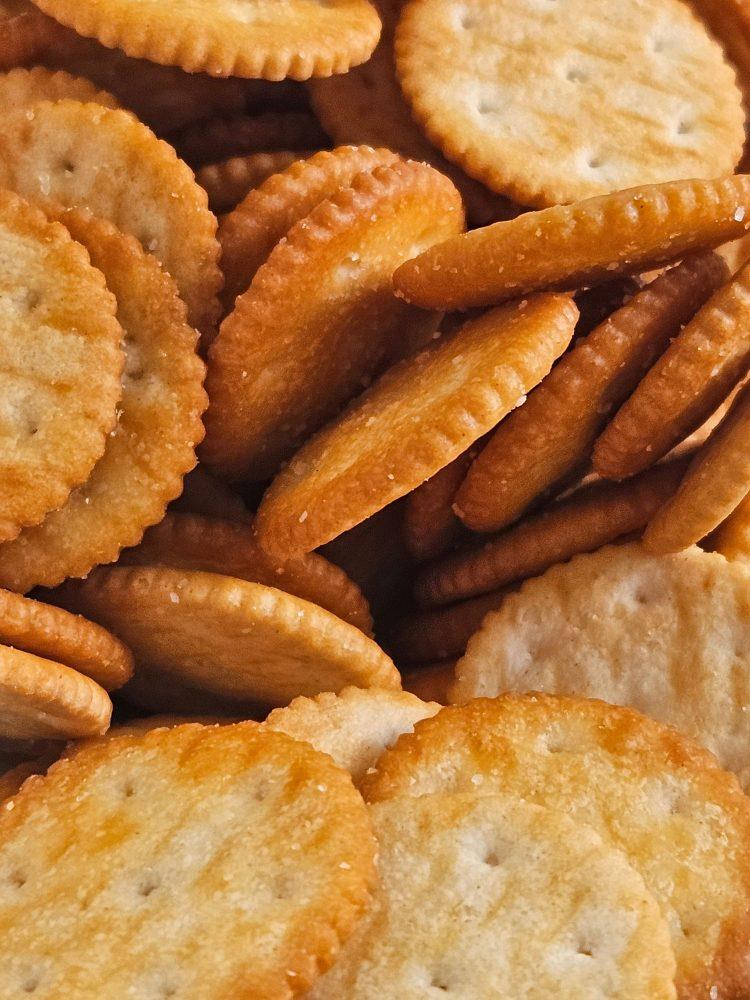
5. Crackers and Dry Breakfast CerealUnopened crackers and dry breakfast cereal can often remain usable after their best-by dates, although their quality may decline. These foods typically contain little moisture, which helps them stay shelf-stable when packaging remains intact. Over time, however, crackers may become stale, cereal can lose its crunch, and products containing nuts or whole grains may develop off flavors.
Once opened, keep these foods in tightly sealed containers or reseal their original packaging. Exposure to air and humidity can make them soft, while heat and light can affect flavor. Check for signs of moisture, mold, pests, or rancidity before eating older products. If the food looks and smells normal but has simply lost its crunch, that is generally a quality issue rather than proof that it has spoiled. When in doubt, discard it.
5 Foods That Spoil Quickly 6. Fresh Fish and SeafoodFresh fish and seafood have a much shorter refrigerated storage window than most pantry staples. Raw fish generally should be kept in the refrigerator for only one to two days before cooking or freezing. Their delicate texture and high moisture content make proper handling especially important, so a printed date should never be used as a substitute for safe storage.
Keep seafood refrigerated at 40°F or below and avoid leaving it on the counter while preparing other ingredients. Signs of spoilage can include a sour or ammonia-like odor, but dangerous bacteria may not produce an obvious smell. If the seafood has been stored improperly or you are unsure how long it has been refrigerated, do not rely on appearance alone. Freezing it while it is still fresh can help preserve it for later meals.
7. Raw ChickenRaw chicken requires careful handling because harmful bacteria can be present even when the meat looks and smells normal. In a refrigerator maintained at 40°F or below, raw chicken generally should be cooked or frozen within one to two days. Waiting until a printed date to make a decision can be risky if the chicken has spent too long at unsafe temperatures.
Keep raw chicken sealed and stored where its juices cannot drip onto other foods. If you will not use it within the recommended window, freeze it promptly rather than leaving it in the refrigerator for several extra days. Do not wash raw chicken, since splashing water can spread bacteria around the kitchen. Cook poultry to an internal temperature of 165°F, measured with a food thermometer, and discard chicken that has been stored unsafely.
8. Ground MeatGround beef, ground turkey, and other raw ground meats spoil more quickly than many people realize. Grinding increases the surface area of the meat and can distribute bacteria throughout the product. Refrigerated raw ground meat generally should be cooked or frozen within one to two days, so it is a good candidate for meal planning soon after a grocery trip.
If you are not ready to cook it, freeze the meat in a suitable package and label it with the date. Do not assume that a normal color or smell guarantees safety, because harmful bacteria may not cause obvious signs of spoilage. Cook ground beef and pork to 160°F and ground poultry to 165°F. If the meat has been left at room temperature for more than two hours, or one hour in temperatures above 90°F, it should be discarded.
9. Fresh Berries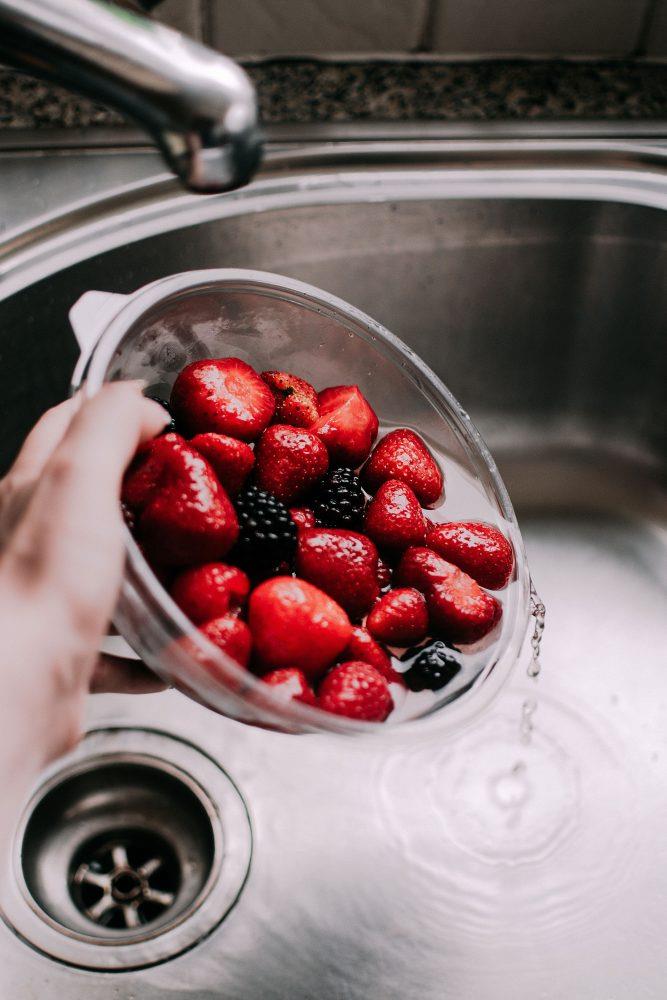
Strawberries, raspberries, blueberries, and blackberries can deteriorate quickly, particularly when moisture collects inside their containers. One damaged or moldy berry can also affect nearby fruit, making it worthwhile to inspect the package before putting it away. Even berries purchased shortly before their best-by or sell-by date may not last long if they were bruised or stored poorly during transport.
Refrigerate berries promptly and remove any visibly moldy or damaged pieces. Avoid washing the entire container until you are ready to eat the fruit, since excess moisture can encourage deterioration. Keep the berries in a clean container with good airflow, and check them regularly rather than waiting until the end of the week. If you cannot use them in time, freezing sound berries is a practical option for smoothies, baking, or sauces.
10. Cooked LeftoversCooked meals may seem more durable than raw ingredients, but leftovers have a limited refrigerator life. Most cooked meat, poultry, casseroles, soups, and similar dishes should be eaten within three to four days when refrigerated at 40°F or below. The clock starts when the food is prepared and stored, not when you remember it is sitting in the back of the refrigerator.
Refrigerate leftovers within two hours of cooking, or within one hour when the temperature is above 90°F. Divide large portions into shallow containers so they cool more quickly, and freeze anything you will not eat within the recommended period. Reheat leftovers to 165°F. Because harmful bacteria can grow without producing noticeable changes in smell or appearance, never use a sniff test as your only way to decide whether old leftovers are safe.
How to Read Food Dates Without Wasting MoneyUnderstanding food labels can help you avoid throwing away groceries that are still suitable to use. In the United States, a best-if-used-by date generally signals when a product should have its best quality, while a sell-by date primarily helps retailers manage inventory. These dates are not universal safety guarantees, and storage conditions matter. Infant formula is an important exception: it should not be used after its labeled use-by date.
The safest approach is to consider the type of food, whether the package has been opened, how it has been stored, and the recommended storage window. Shelf-stable foods often tolerate more time beyond a quality date than fresh seafood, raw meat, or prepared leftovers. When a product shows signs of spoilage, has damaged packaging, or has been stored at unsafe temperatures, do not take a chance to save a few dollars. A little planning, proper refrigeration, and timely freezing can help reduce food waste while keeping your household safer.
What To Read NextFrom PFAS to Microplastics: What Tests Found in 9 Popular Water Brands
7 Bulk Buys That Are Always Worth the Storage Space
8 Food Storage Mistakes That Are Ruining Your Budget
Produce Storage: 12 Fruits to Ripen on the Counter Before Refrigerating
Save Money and Waste Less with our Buying and Storage Guides

Legal Disclaimer:
MENAFN provides the
information “as is” without warranty of any kind. We do not accept
any responsibility or liability for the accuracy, content, images,
videos, licenses, completeness, legality, or reliability of the information
contained in this article. If you have any complaints or copyright
issues related to this article, kindly contact the provider above.


Comments
No comment