


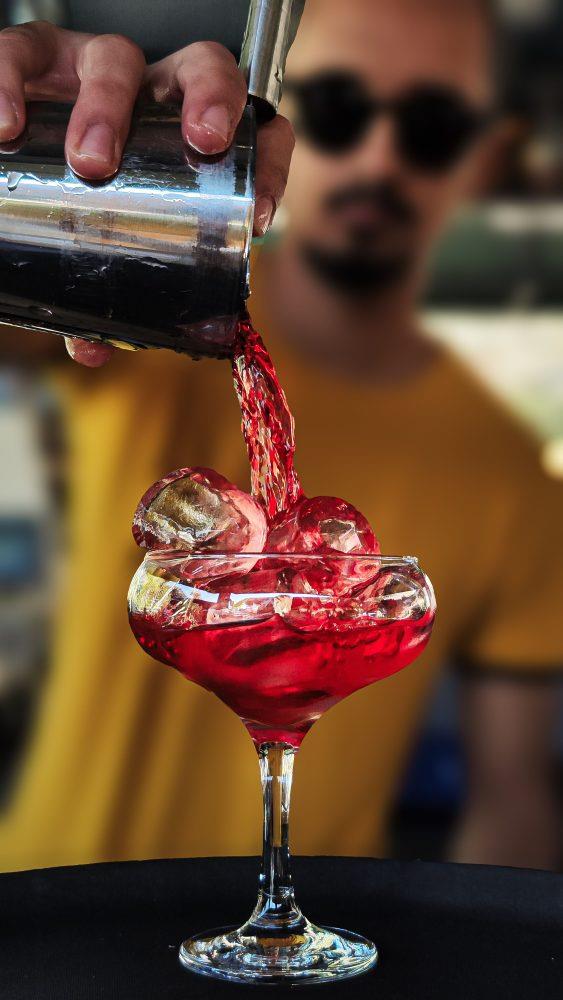
9 Things Bartenders Appreciate That Don't Involve Leaving A Bigger Tip


Going out for drinks can be more enjoyable when you know how to treat the people behind the bar. While tipping is an important part of earning a living for many bartenders in the United States, money is not the only thing that shapes their experience with customers. Small gestures, from knowing what you want to ordering at the right time, can make a busy shift easier. You do not have to spend more to be a considerate customer. In many cases, a little patience and common courtesy can make a bigger difference than you might expect.
1. Know What You Want Before You Reach the BarOne of the simplest ways to make a bartender's job easier is to have your order ready when it is your turn. During a busy evening, bartenders may be juggling several drink orders, pouring beer, mixing cocktails, processing payments, and answering questions. If you wait until you reach the front to start studying the entire menu, you may slow down the line for yourself and everyone behind you.
You do not need to know every cocktail by heart, and asking questions is perfectly reasonable. If you are unsure, step aside briefly to look over the menu or ask for a recommendation when the bartender has a moment. Knowing whether you want a beer, wine, or a particular style of cocktail gives the bartender a useful starting point. A little preparation helps the interaction move smoothly without making you feel rushed.
2. Get Their Attention Without Snapping or Waving MoneyIt can be frustrating to wait for a drink when the bar is crowded, but snapping your fingers, banging on the counter, or waving cash is unlikely to help. Bartenders generally work through orders while trying to keep track of who arrived first. They may also be handling drinks for people seated at tables, so someone who appears to be ignoring you may be occupied with another task.
Instead, make eye contact when possible and wait for a natural opening to place your order. If the bartender looks your way, a brief greeting or polite gesture can communicate that you are ready. Avoid reaching across the bar or interrupting someone who is actively preparing another customer's drinks. Respectful communication makes it easier for the bartender to acknowledge you and serve customers in an orderly way.
3. Be Clear About Your Drink OrderA clear order helps prevent misunderstandings and saves time, especially when the bar is noisy. If you want a gin and tonic, specify the spirit and mixer rather than giving a vague request that requires several follow-up questions. For a more complicated cocktail, explain any important preferences, such as whether you want it less sweet or served without a particular ingredient.
If you are unfamiliar with a drink, it is fine to ask what goes into it or request a recommendation. The key is to listen to the answer and make your choice before the bartender starts preparing the order. Avoid changing several details after the drink has been made unless there is a genuine mistake. Clear communication reduces wasted ingredients and helps the bartender get your order right the first time.
4. Avoid Ordering for Your Entire Group One Drink at a TimeWhen you are out with friends, ordering one drink at a time can create unnecessary back-and-forth, particularly during a rush. If you are responsible for ordering for several people, try to gather everyone's choices before approaching the bar. You can then communicate the full order in a clear, organized way instead of returning repeatedly while other customers wait.
That does not mean you should shout a complicated list of drinks while the bartender is serving someone else. Wait until you have their attention, then give the order at a manageable pace. If your group wants several customized cocktails, be patient while they are prepared. Organizing your group's requests ahead of time helps everyone get their drinks more efficiently and reduces confusion over who ordered what.
5. Have Your Payment ReadyPayment delays can slow down service, especially at bars where customers order and pay for each round separately. If you plan to use a card, have it ready when the bartender brings your total. If you are paying with cash, knowing what bills you have can also make the transaction quicker. These small steps are especially helpful when a line is forming behind you.
If you are opening a tab, ask about the process at the beginning and follow the bar's instructions. Some establishments require a card to be left behind, while others can keep a tab open digitally. Before walking away, make sure you understand whether you need to close the tab yourself. A smooth payment process helps the bartender move on to the next customer without unnecessary delays.
6. Treat the Bar Space Like a Shared Area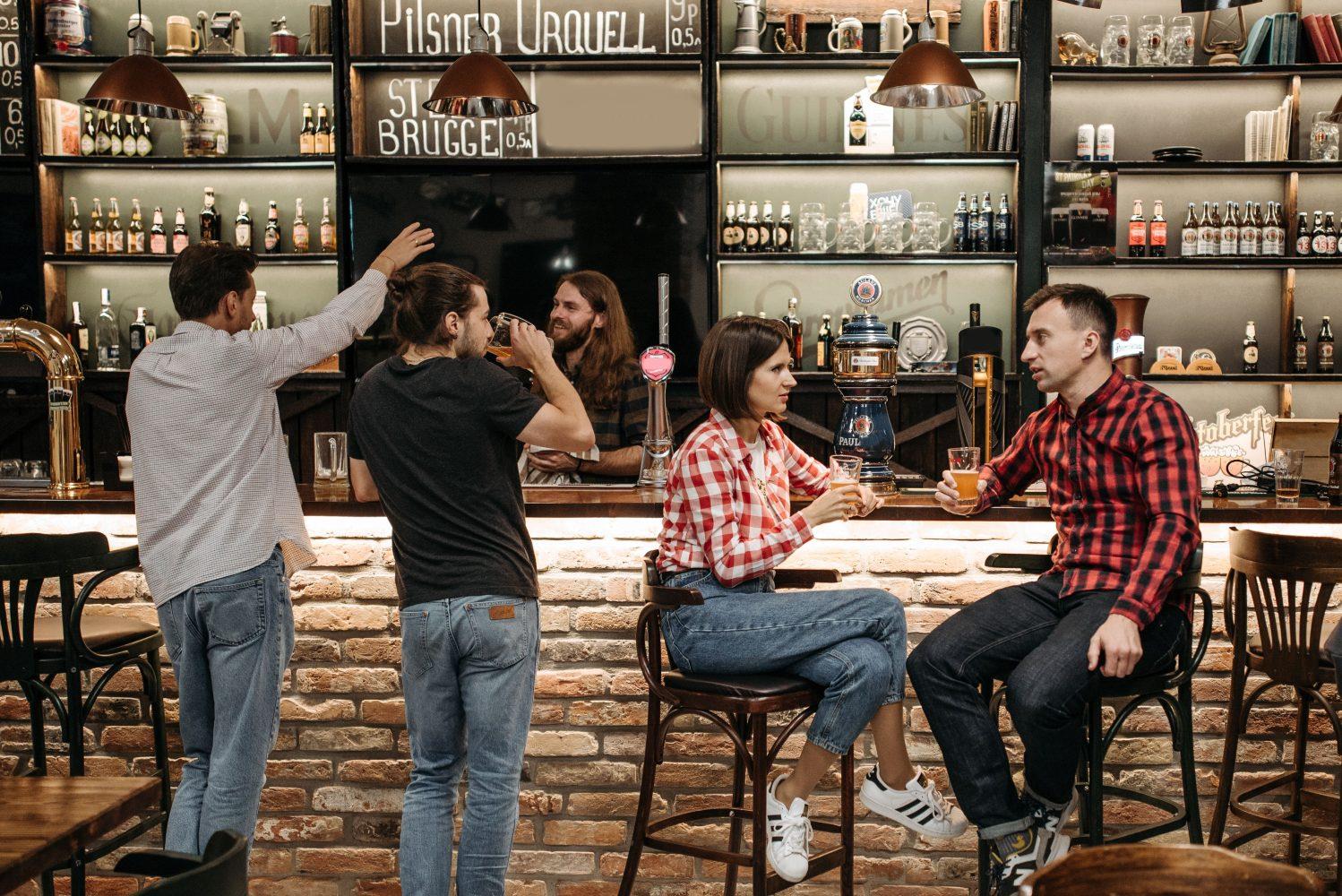
The bar counter is a work surface as well as a place for customers to sit. Bartenders need room for glassware, bottles, garnishes, receipts, and equipment, so spreading personal belongings across the counter can interfere with their work. Keep bags, phones, coats, and other items within your own space rather than placing them where drinks are being prepared.
If you are sitting at the bar, avoid leaning over the work area or reaching for bottles, garnishes, and tools. Return empty glasses to a sensible spot when appropriate, but do not push them into an area where the bartender is actively working. A little awareness helps keep the workspace organized and reduces the risk of spills or broken glass. It also shows that you recognize the bartender is managing a busy work area, not just standing around waiting for orders.
7. Be Patient During the RushA packed bar can make service feel slower than usual, even when the staff is moving quickly. Bartenders may be preparing multiple cocktails at once, pouring draft beer, restocking supplies, and responding to requests from different parts of the room. A customer who arrived moments ago may not receive a drink immediately, particularly when several orders are already in progress.
Give the bartender time to work through the queue instead of repeatedly asking when your drink will be ready. If you have been waiting unusually long, a polite question is reasonable, especially if you think your order was missed. Remember that complicated cocktails often take longer than pouring a beer or opening a bottled drink. Patience helps prevent unnecessary tension and allows the bartender to focus on preparing orders correctly.
8. Speak Up Politely if Something Is WrongBartenders appreciate knowing when an order has been made incorrectly, a drink is missing, or a problem needs attention. Mistakes happen during busy shifts, and a calm explanation gives the staff a chance to fix the issue. If you ordered a vodka soda and received a different drink, explain the mix-up rather than assuming the bartender intentionally ignored your request.
Be specific about what needs to be corrected, and avoid insulting the bartender or making a scene in front of other customers. If the drink is not what you expected because you misunderstood the menu, explain that, too. A respectful conversation makes it easier to find a solution. You can expect reasonable service without treating an ordinary mistake as a personal offense.
9. Follow the Bar's Rules and Respect Closing TimeBartenders have to follow rules about identification, alcohol service, capacity, and closing procedures. Having your ID ready when requested makes the process easier, and accepting a refusal of service without arguing helps keep the interaction professional. If a bartender stops serving you because you appear intoxicated, trying to pressure them into pouring another drink puts them in a difficult position and may violate the law or the establishment's policies.
Respecting closing time matters, too. If the bar has announced last call, order promptly rather than beginning a lengthy discussion about drinks after service has ended. Avoid demanding that staff keep the bar open just for your group or rushing them while they clean up. Bartenders are responsible for serving customers safely and closing the establishment properly. Cooperating with those responsibilities helps end the night on better terms for everyone.
Good Bar Etiquette Is About More Than MoneyTipping remains an important way to recognize good service, and local customs and circumstances can influence what is appropriate. But being a considerate customer does not begin and end with the amount on a receipt. Clear orders, patience, respect for personal space, and polite communication all contribute to a better experience. These habits also make it easier for bartenders to serve you accurately and efficiently.
The next time you visit a bar, focus on the parts of the experience you can control. Be ready when it is your turn, treat staff members respectfully, and understand that busy periods come with unavoidable delays. You do not need to become a bartender's best friend or spend extra money to be a welcome customer. Consistent courtesy goes a long way toward making a busy shift more manageable and your own night out more enjoyable.
What To Read Next5 Drinks Bartenders Secretly Judge You For Ordering
10 Popular Cocktails That Bartenders Secretly Hate Making
Waitstaff Say These 11 Common Tipping Habits Are Rude - Do You Agree?
Do You Really Need to Tip When Picking Up Takeout? Restaurant Workers Weigh In
The 9 Things Your Server Knows but Won't Say Out Loud

Legal Disclaimer:
MENAFN provides the
information “as is” without warranty of any kind. We do not accept
any responsibility or liability for the accuracy, content, images,
videos, licenses, completeness, legality, or reliability of the information
contained in this article. If you have any complaints or copyright
issues related to this article, kindly contact the provider above.


Comments
No comment