


The Food Isn't Any Healthier - But This Plating Trick May Make You Think It Is


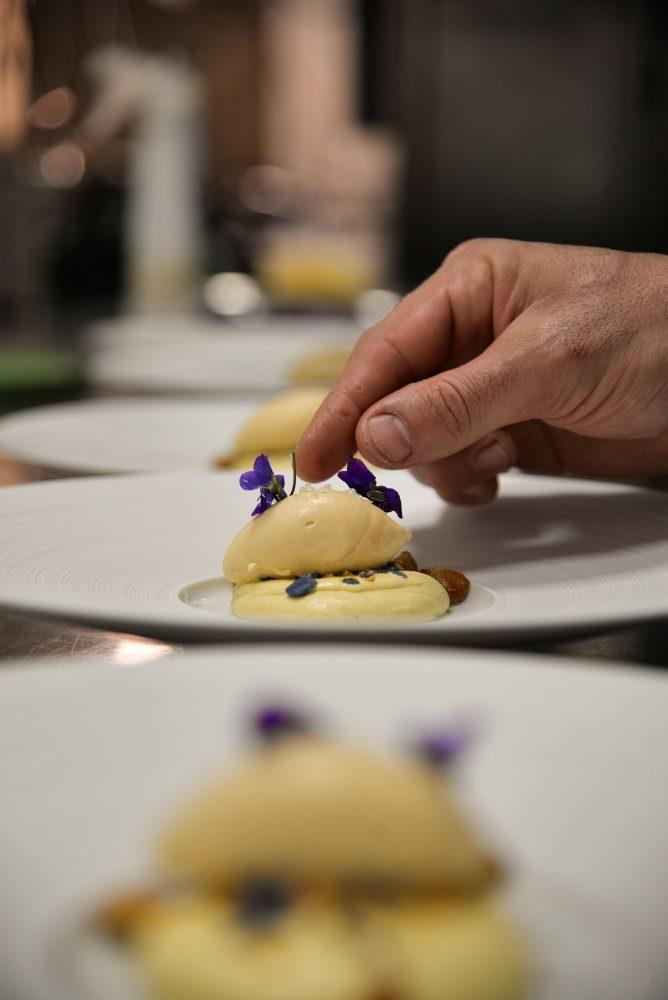
A meal can look completely different depending on how it is arranged on a plate. A modest serving of chicken, vegetables, and potatoes may seem underwhelming when everything is piled together, yet appear more appealing when the same ingredients are carefully arranged with space between them. Restaurants have long used presentation to make dishes look attractive, but plating can also influence how much food diners think they are getting. Research suggests that the arrangement of food can affect perceived portion size, enjoyment, and even how much people are willing to pay. The surprising part is that these visual changes do not alter the food's nutritional value. Here is how the plating trick works and why a smaller serving can sometimes look like a more satisfying meal.
The Same Food Can Look Like a Bigger ServingOne of the simplest plating techniques involves spreading food across the plate rather than stacking it into a tall pile. Research published in the Journal of Business Research found that people perceived horizontally arranged food as a larger portion than the same amount stacked vertically. The explanation is fairly intuitive: when diners look down at a plate, they tend to pay more attention to the surface area the food covers than to its height. A serving that spreads across more of the plate can therefore appear more substantial, even when the actual amount has not changed.
Restaurants can use this principle to make a dish look generous without adding more ingredients. A few slices of chicken arranged beside vegetables and a side dish may cover more visible space than the same food stacked in the center. This does not mean every restaurant deliberately uses the technique to reduce portions, and presentation alone cannot tell you how much food you are receiving. However, it shows why judging a meal by appearance can be misleading. The amount on the plate and the amount your eyes think you see are not always the same.
Empty Space Can Make a Plate Look More UpscaleA restaurant does not have to fill every inch of a plate to make a meal look appealing. In fact, leaving some space around the food can make the presentation feel intentional rather than unfinished. Chefs may arrange a protein, vegetables, and sauce in separate areas, using the open space to give each component a distinct place on the plate. This style is common in upscale dining, where visual balance and carefully placed ingredients are part of the overall experience.
That presentation can also affect expectations before the first bite. A neatly arranged dish may look more carefully prepared than a larger serving presented without much attention to detail. Diners may associate that effort with quality, even though the arrangement does not prove the ingredients are fresher, more nutritious, or better prepared. A restaurant could serve the same chicken and vegetables with identical nutritional content in a casual or elaborate presentation. The difference is what the diner sees and how that visual impression shapes expectations.
Color and Contrast Help Food Look More AppealingColor is another tool that changes how a meal looks before anyone tastes it. Bright green vegetables beside golden potatoes and a browned piece of chicken create visible contrast, making the different ingredients easier to distinguish. A plate containing several contrasting colors can look more varied and inviting than one dominated by similar shades. Restaurants often pay attention to these details because diners begin forming impressions of a dish before they take their first bite.
However, colorful food is not automatically healthier. A plate featuring green vegetables, orange carrots, and red sauce may look more balanced, but its nutritional value still depends on the ingredients, portions, cooking methods, and sauces used. A colorful garnish can improve appearance without contributing much to the meal itself. Conversely, a simple-looking dish can be nutritionally balanced despite lacking dramatic presentation. Color can influence what diners expect, but the ingredients and preparation determine what they actually eat.
Smaller Plates Can Change How Much Food You Think You SeeThe size and design of a plate can influence how diners judge a serving. When a portion sits on a large plate, the surrounding space may make it look smaller. On a smaller plate, that same amount of food can appear more substantial because it occupies more of the available surface. Researchers have studied this visual effect, including how plate rims and surrounding shapes influence people's estimates of portion size. The effect is not identical for everyone or every meal, but the presentation can change how a serving is perceived.
This is one reason smaller plates are sometimes recommended as a portion-management tool at home. A serving that looks adequate on the plate may feel more satisfying than the same amount spread thinly across a much larger dish. Still, the research is mixed on whether smaller plates consistently reduce how much people actually eat. Visual perception is only one part of eating behavior, alongside hunger, food preferences, serving habits, and the availability of additional food. A smaller plate can change the visual impression, but it is not a guaranteed method for controlling intake.
The Presentation Can Influence What You Are Willing to PayA carefully arranged meal can look more valuable before a diner even tastes it. Research on food presentation has found that people may rate certain arrangements more favorably and report a greater willingness to pay for them. Centering a dish or arranging its components horizontally can influence how diners judge the portion and how much they like its appearance. These findings help explain why restaurant menus often feature photographs of neatly arranged meals rather than food piled into a container.
For restaurants, presentation is part of the dining experience, not just decoration. A carefully plated dish may communicate attention to detail and make a meal feel more special, particularly when the price is higher than a comparable casual option. But an attractive plate does not reveal the restaurant's ingredient costs, nutritional quality, or actual serving weight. Diners should consider the menu description, price, and what arrives at the table rather than assuming a beautifully presented dish offers more food or better nutrition. Presentation can add enjoyment, but it cannot replace the value of the meal itself.
What Matters More Than How the Food LooksA beautifully plated meal can contain lean protein, vegetables, and whole grains, but it can also contain large amounts of butter, cream, oil, or sugary sauce. The arrangement tells you little about the ingredients used behind the scenes. Even foods commonly considered healthy can vary in nutritional value depending on preparation and portion size. If you are trying to make informed choices, the menu description and ingredient details are more useful than judging a dish by its appearance alone.
That does not mean presentation is meaningless. An appealing arrangement can make food more enjoyable and may help diners appreciate ingredients they would otherwise overlook. The important distinction is between a meal that looks balanced and one that actually provides the nutrients you need. If portion size matters to you, ask about serving sizes or consider sharing a large entrée when appropriate. Enjoy the presentation, but remember that a smaller portion arranged beautifully is still a smaller portion.
The Plating Trick Is About Perception, Not NutritionRestaurants can influence how diners experience a meal through arrangement, color, plate size, and empty space. Research suggests these choices can change how large a serving appears and how appealing people find it. That can make a modest portion feel more thoughtfully presented, but it does not automatically make the food healthier or mean a restaurant is deliberately shortchanging customers. The actual ingredients, preparation, and serving size remain the important factors.
The next time a restaurant meal arrives looking like something from a food magazine, take a moment to notice how it is arranged. The presentation may genuinely improve your enjoyment, but it is worth separating that experience from the nutritional value of what you are eating. Food can look generous, elegant, or healthy without necessarily being any of those things. Sometimes, the biggest change happens in your perception before you even pick up your fork.
What To Read NextA Restaurant Is Charging $45 for a Waffle - And Chicken Costs Extra
Your Pasta Sauce Is Missing the Ingredient You Keep Pouring Down the Sink
10 Frozen Foods That Don't Cook Evenly No Matter What You Do
Why Family Mealtime Is Becoming a Lost Art (And How to Save It)
8 Crazy Things Happening Behind the Scenes at Your Favorite Restaurant

Legal Disclaimer:
MENAFN provides the
information “as is” without warranty of any kind. We do not accept
any responsibility or liability for the accuracy, content, images,
videos, licenses, completeness, legality, or reliability of the information
contained in this article. If you have any complaints or copyright
issues related to this article, kindly contact the provider above.


Comments
No comment