


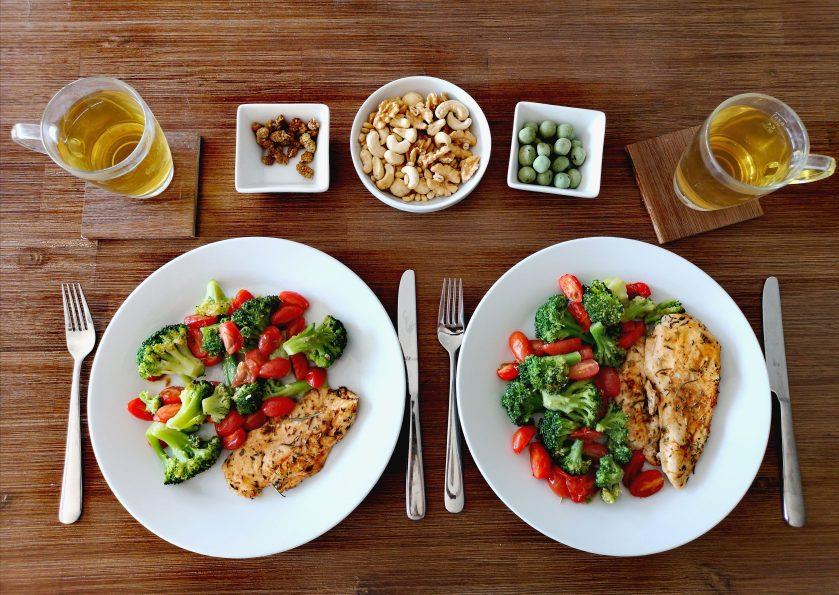
Would You Pay More For The Same Meal Just Because It Looks Better?


Imagine ordering grilled chicken with rice and vegetables at two different restaurants. One serves everything in a simple pile, while the other arranges the chicken neatly, places the vegetables in colorful sections, and finishes the plate with a carefully drizzled sauce. The ingredients and portion sizes are identical, yet the second meal might look more appealing and seem worth a higher price. Research suggests this reaction is more than a passing impression: the way food is presented can influence how much people enjoy it and what they are willing to pay. So how much extra is a beautiful plate really worth, and does the experience justify the higher price?
The Same Meal Can Feel Like a Different ProductFood presentation can change a diner's first impression before a single bite is taken. In a 2014 study published in the journal Appetite, researchers served diners the same chicken, rice, and vegetable meal in two different arrangements. Participants rated the meal more favorably when it was presented in the more attractive style, even though the ingredients had not changed. The findings suggest that appearance can influence the way people experience food, rather than making a dish look nice in photographs.
This effect can influence what diners expect from a restaurant. A neatly arranged plate may suggest that a chef took more care with preparation, that the ingredients are higher quality, or that the restaurant offers a more refined experience. Those impressions can develop before customers know anything about the kitchen or how the meal was prepared. A beautiful presentation does not prove that a dish tastes better, but it can shape expectations that influence how the meal is perceived. That helps explain why two plates containing the same food may not feel equally satisfying.
Researchers Found That Presentation Can Change What Diners Will PayOne particularly interesting study examined how diners valued meals that were presented differently. In research published in Food Quality and Preference in 2015, 163 participants at a luncheon event received the same menu with different plating arrangements. The researchers found that participants were willing to pay more for a salad arranged artistically than for the more conventional presentation. The average stated willingness to pay was £5.94 for the artistic salad, compared with £4.10 for the regular version.
The main course showed a similar pattern. Participants were willing to pay an average of £15.35 for a centrally arranged presentation, compared with £11.65 when the components were positioned off to one side. That represents a difference of roughly 32% in the stated willingness to pay. These figures came from a specific research setting, not a nationwide survey of restaurant customers, so they should not be treated as a universal pricing rule. Still, the results show how strongly presentation can affect perceived value when the food itself stays the same.
Why a Better-Looking Plate Can Seem to Taste BetterYour brain does not evaluate flavor in isolation. Before tasting food, you can already form expectations based on its color, arrangement, texture, and apparent freshness. Once you begin eating, those expectations may influence your overall experience. Researchers studying food presentation have found that participants sometimes rate the same dish more favorably when it is arranged attractively, suggesting that visual appeal can influence perceived flavor.
That does not mean presentation can turn poorly prepared food into an excellent meal. Temperature, seasoning, texture, ingredient quality, and cooking technique still matter enormously. A beautifully plated steak that is overcooked may disappoint a diner regardless of how carefully the sides are arranged. However, when the food is already prepared well, thoughtful presentation can make the experience more enjoyable. Restaurants are selling more than ingredients alone; they are also selling the atmosphere, anticipation, and experience surrounding the meal.
Fine Dining Uses Presentation to Support Higher PricesUpscale restaurants often devote considerable attention to how food looks on the plate. Chefs may use carefully positioned ingredients, contrasting colors, sauces, garnishes, and different textures to create a dish that feels distinctive. This presentation can help communicate the restaurant's style and make a meal feel like an occasion rather than an everyday dinner. When customers expect an experience as well as food, the visual details can become part of what they believe they are paying for.
However, an attractive plate is only one part of a restaurant's pricing. Fine-dining establishments may also charge more because of labor-intensive preparation, specialized ingredients, trained staff, smaller dining rooms, and higher operating costs. It would be misleading to assume that a higher menu price simply reflects fancy plating. The more useful question is whether the overall experience justifies the cost to you. If the food tastes excellent, the service is attentive, and the atmosphere is enjoyable, the presentation may add value. If the meal disappoints, attractive plating may not be enough to make the price worthwhile.
Restaurants Can Make Modest Portions Look More ImpressivePresentation also affects how much food people think they are receiving. A protein arranged horizontally beside vegetables and a side dish can occupy more visible space than the same ingredients stacked in a compact pile. Color contrast and carefully placed garnishes can make a plate look more detailed, while empty space can create a sense of intentional design. These techniques may help a smaller serving look elegant and carefully prepared.
That does not automatically mean restaurants are using presentation to disguise reduced portions. Some dishes are designed around a particular serving size, and the arrangement simply makes the meal easier to appreciate. Nevertheless, diners should remember that a visually impressive plate does not necessarily contain more food. If portion size is important, consider the menu description and ask about serving sizes rather than relying on appearance alone. Presentation can enhance a meal, but it cannot replace the value of the ingredients and quantity being served.
How Much Extra Would You Actually Pay?The research offers evidence that people may be willing to pay a noticeable premium for better presentation, but it does not establish a single amount that everyone considers reasonable. In the 2015 luncheon study, the difference in stated willingness to pay varied by dish and arrangement. Those findings show that presentation can influence perceived value, but they do not prove that diners would consistently spend the same premium at their favorite local restaurant or a fast-casual chain.
For everyday dining, the difference may come down to what you value most. You might happily pay a little extra for a beautifully presented anniversary dinner but prefer a larger portion at a casual restaurant. Someone else may prioritize flavor, while another diner enjoys the creativity and visual appeal of a carefully plated meal. There is no universally correct premium to pay for presentation. What matters is whether the meal delivers an experience you consider worth its price, rather than whether the plate looks expensive.
Is Better Presentation Worth the Extra Cost?Research suggests that people can enjoy the same food more when it is presented attractively, and they may be willing to pay more for that experience. The effect can be substantial in certain experiments, although the results depend on the dish, presentation, and study setting. That makes food presentation an important part of how restaurants communicate quality and create value, even when the underlying ingredients remain unchanged.
The next time a beautifully arranged meal arrives at your table, consider what you are actually paying for. If the presentation makes dinner more enjoyable, the extra cost may feel worthwhile. But if the food is average, the portion is disappointing, or the price stretches your budget, a decorative drizzle of sauce may not be enough. A great meal should deliver more than an attractive photograph, and the best value is the one that satisfies both your appetite and your expectations.
What To Read NextThe Personalized Loyalty Trap: Why Some Shoppers Pay More Than Others in the Same Aisle
Why Some Shoppers Pay More on Delivery Than In-Store
How“Dynamic Pricing” Means You May Pay More Than the Person Beside You
7 Foods You Can Freeze Now to Avoid Paying More Later
We Are Paying $1000 More a Year The Grocery Complaint Thread That Keeps Coming Back

Legal Disclaimer:
MENAFN provides the
information “as is” without warranty of any kind. We do not accept
any responsibility or liability for the accuracy, content, images,
videos, licenses, completeness, legality, or reliability of the information
contained in this article. If you have any complaints or copyright
issues related to this article, kindly contact the provider above.


Comments
No comment