


The Midlife Ick List: Things Women Are Officially Breaking Up With


(MENAFN- Mid-East Info) Words by Clarisse Mar, Founder of Rawform
Borderless Finance. AI-Native.
Your digital companion for smarter everyday choices. Built for how you live, earn, and grow. Move money at your pace with AI-powered finance, all in one tap.
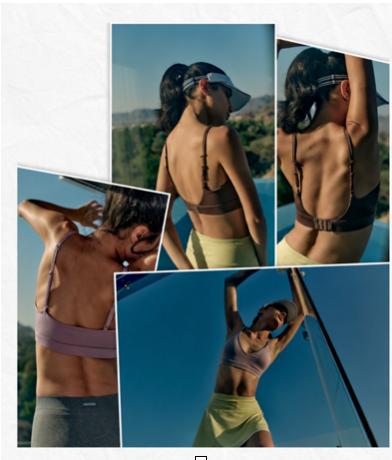
Join the waiting list. Earn There comes a point in a woman's life when her tolerance for nonsense starts to decline. Not necessarily her tolerance for other people's nonsense, although that can happen too. We're talking about the bra that digs in by lunchtime, the waistband that suddenly feels like a personal insult and the synthetic top that turns a perfectly ordinary afternoon into an exercise in patience. Somewhere between juggling work, family, social commitments and the general business of being a woman, putting up with uncomfortable clothes starts to feel like one inconvenience too many. For some women, perimenopause and menopause bring this into sharper focus. Hormonal changes can affect body shape, temperature regulation and skin sensitivity, making certain clothes feel less comfortable than they once did. The favourite bra that has been part of the daily uniform for years might suddenly be the first thing to come off at the end of the day. A fabric that was previously fine might feel irritating. And getting dressed can become less about squeezing into what used to fit and more about finding what feels right now. Welcome to the midlife ick list. Consider this a formal notice of separation from the things women have been expected to tolerate for far too long. The bra you cannot wait to take off We have normalised a surprising amount of discomfort in the name of getting dressed. Straps that dig into shoulders, bands that leave marks, seams that rub and underwires that seem determined to make their presence known. Somewhere along the way, discomfort became an accepted part of wearing a bra. But why? A bra should support you without demanding your attention every five minutes. It should fit properly, feel comfortable against your skin and work with your body rather than becoming something you spend the day adjusting. That does not mean every woman needs to abandon underwire or switch to a particular style. It means questioning the idea that discomfort is simply the price of wearing underwear. 2. Fabrics that turn getting dressed into a climate-control exercise Living in the Middle East gives this one an added layer of relevance. Stepping outside into the heat, moving between air-conditioned spaces and spending hours in clothes that sit directly against the skin can make fabric choices feel far more important than they might appear on a shopping label. When a material traps heat, feels clammy or irritates the skin, even the most carefully planned outfit can become uncomfortable. Breathability, softness and moisture management are not particularly glamorous things to talk about, but they can make a tangible difference to how clothing feels throughout the day. This is where the conversation needs to move beyond whether something looks good on a hanger. How does it feel after eight hours? Does it work in the climate you actually live in? Can you get through a busy day without constantly thinking about what you are wearing? These are sensible questions, not unreasonable demands. 3. The waistband that has become far too familiar Bodies change. Weight fluctuates, proportions shift and what fitted beautifully a few years ago may not feel quite the same today. During midlife, these changes can coincide with hormonal shifts, making the relationship between a woman and her wardrobe more complicated than simply reaching for the size she has always worn. Yet women are often encouraged to treat their bodies as the problem and their clothes as the goal. Keep the old jeans. Get back into the dress. Make the waistband work. Perhaps it is time to reverse that thinking. Clothing is supposed to fit the body, not serve as a daily reminder of what it used to look like. A comfortable waistband, a little flexibility and a fit that allows you to sit, move, eat and breathe without negotiation should not be considered luxuries. Nor should changing your size mean changing your opinion of yourself. 4. The idea that comfort means giving something up For too long, comfort has occupied an awkward place in fashion. Beautiful or comfortable. Supportive or soft. Practical or stylish. As if women should expect to choose between feeling good in an outfit and feeling good in their bodies. That is a fairly outdated bargain. Comfort does not have to mean oversized everything, shapeless layers or abandoning the pieces that make you feel confident. It can mean choosing underwear with fewer irritating seams, looking for fabrics that feel good against the skin or finding a fit that moves with you rather than restricting you. For Rawform, a UAE-born innerwear brand built around a skin-first approach, this is central to the way its collections are considered. The focus is on comfort, thoughtful material choices and pieces designed for everyday wear, using fibres such as bamboo viscose and LenzingTM Modal in its collections. The philosophy is straightforward. What sits closest to your skin deserves as much consideration as everything you choose to wear over it. It is also a reminder that buying better does not necessarily mean buying more. Pieces that feel good, work for your daily life and hold up over time have a place in a more considered wardrobe. 5. The pressure to dress for the body you used to have Perhaps the biggest midlife ick is the expectation that women should keep dressing according to an earlier version of themselves. There is no single way to experience menopause, and not every woman will notice the same changes. But for those navigating shifting body shapes, temperature sensitivity or unfamiliar levels of discomfort, the experience can prompt a reassessment of everyday habits. Clothes are part of that conversation. Breast Cancer Awareness Month also offers a timely reminder to pay attention to our bodies, rather than simply expecting them to fit around our routines. That means knowing what is normal for you, noticing changes in your breasts and seeking medical advice about anything new or unusual. Comfort matters, but it should never be confused with prevention or early detection. A comfortable bra cannot prevent breast cancer, and clothing choices are not a substitute for appropriate screening or medical care. The same principle applies to how we approach getting dressed. Paying attention to what feels different is not vanity. It is a practical way of responding to our own needs. The midlife wardrobe reset does not need to involve throwing everything out or following another list of rules about what women should wear at a certain age. It can start with something much simpler. Stop accepting discomfort as inevitable. Pay attention to the materials against your skin. Choose a fit that works for the body you have today. Keep the pieces you genuinely enjoy wearing, rather than the ones you feel obliged to keep. And if a bra has you counting down the hours until you can take it off, perhaps it is time to reconsider the relationship. Getting older comes with enough changes to navigate. Your clothing does not need to be another thing you put up with. ENDS
Legal Disclaimer:
MENAFN provides the
information “as is” without warranty of any kind. We do not accept
any responsibility or liability for the accuracy, content, images,
videos, licenses, completeness, legality, or reliability of the information
contained in this article. If you have any complaints or copyright
issues related to this article, kindly contact the provider above.


Comments
No comment