


Geopolitical Shocks Are Reconfiguring The Swiss Industry's Coffee Supply Chains


I cover food and agribusiness and have special interests in sustainable supply chains, food safety and quality, as well as covering the emerging players and trends in the food industry. A background in forestry and conservation biology brought me down the path of environmental advocacy. Journalism and Switzerland have made me a neutral observer holding companies accountable for their actions.
-
More from this aut
English Departm
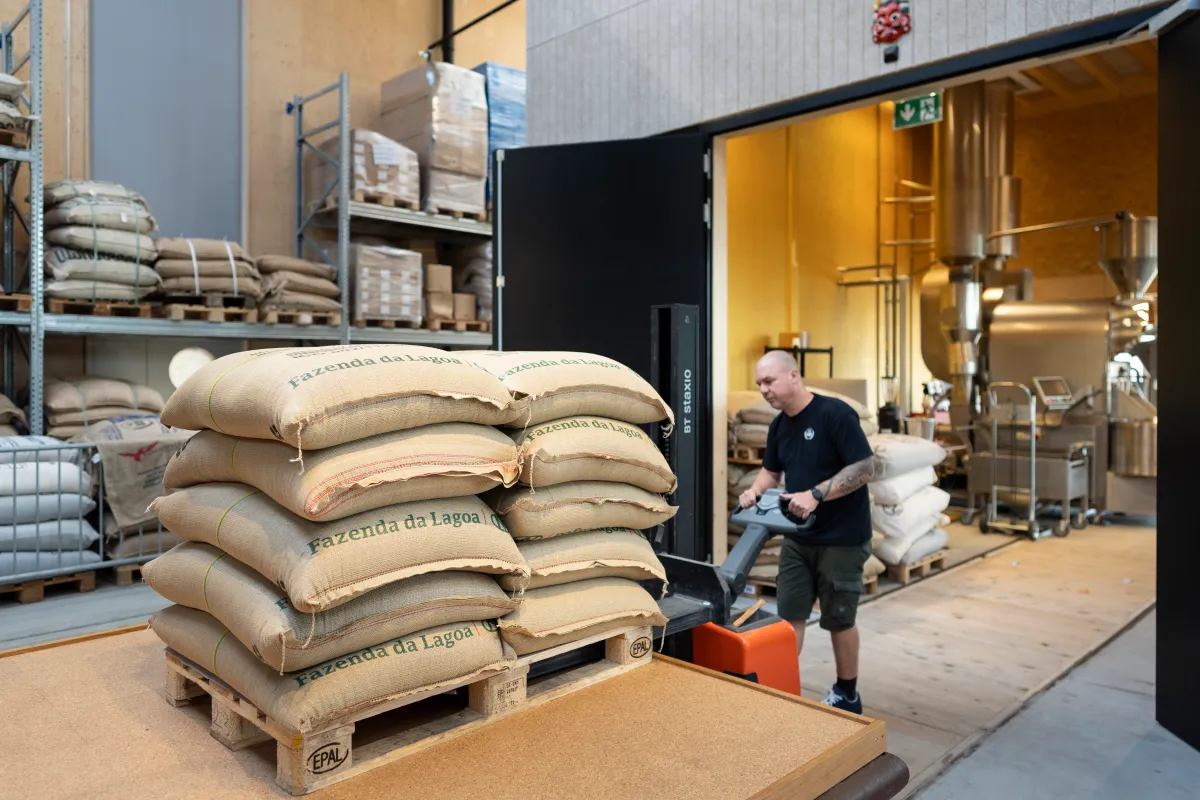
Next time you sip a cup of coffee you can thank the Swiss Coffee Traders Association (SCTA). SCTA members – such as Nestlé, Starbucks, Sucafina, Olam, COFCO and LDC – represent over half of the coffee volume traded globally. Switzerland is a globally important coffee trading hub but threats to shipping routes and rising oil prices are pressuring supply chains. Participants polled at this year's SCTA annual forum on October 1 listed“war” as their main cause for concern and“flexibility and alternative routes” as their top priority.
External Content Shipping woesCoffee beans are grown and harvested in South America, Asia and Africa. The beans called“green coffee” must then be transported across oceans to Europe and North America where most coffee roasters are based. According to the International Coffee Organization (ICO), of the 183.6 million 60kg bags of coffee harvested in 2025, 77% was exported via 246 different routes. The most popular routes by volume are exports out of Brazil, Colombia and Vietnam to Europe or the United States. The closure of the Strait of Hormuz since February has not had a major impact on coffee trade but has forced carriers to reroute vessels and add fuel surcharges which have had a knock-on effect on coffee traders. The shortest shipping route between Asia and Europe have effectively been closed. Shipments of coffee beans from Vietnam must take the longer route via the Cape of Good Hope.
“We operate as a network. If one route is affected it has a knock-on effect on our entire shipping fleet,” a senior executive at a European shipping company told coffee traders at the SCTA forum. The executive wished to remain anonymous because the comments were made as part of a panel discussion meant for coffee traders.
The European shipping firm manages 700 vessels that transport 25,000 containers from Asia to Europe. According to the executive, rerouting coffee through the Cape of Good Hope increased transit time for their shipments by 20 days from Asia to Europe.
External Content The new normIt remains to be seen if such route diversions become the norm. Maritime research firm Drewery estimates that Suez Canal transits will return to 80% of their pre-diversion levels by February 2027. However, cost savings from shorter shipping time compared to the Cape of Good Hope will not be as significant as before because from now on insurers are likely to charge a war-risk premium which the shipping companies will pass on to coffee traders as surcharges.
“Coffee traders must get used to fast and bold decision-making with incomplete information because this 'never normal' situation will continue and exception management will be critical,” the shipping company executive said.
More More Swiss oddities How Switzerland became a land of coffeeThis content was published on May 16, 2026 How did a small country with no domestic coffee cultivation become the world's second‐largest coffee exporter?
Read more: How Switzerland became a land of c
Legal Disclaimer:
MENAFN provides the
information “as is” without warranty of any kind. We do not accept
any responsibility or liability for the accuracy, content, images,
videos, licenses, completeness, legality, or reliability of the information
contained in this article. If you have any complaints or copyright
issues related to this article, kindly contact the provider above.


Comments
No comment