


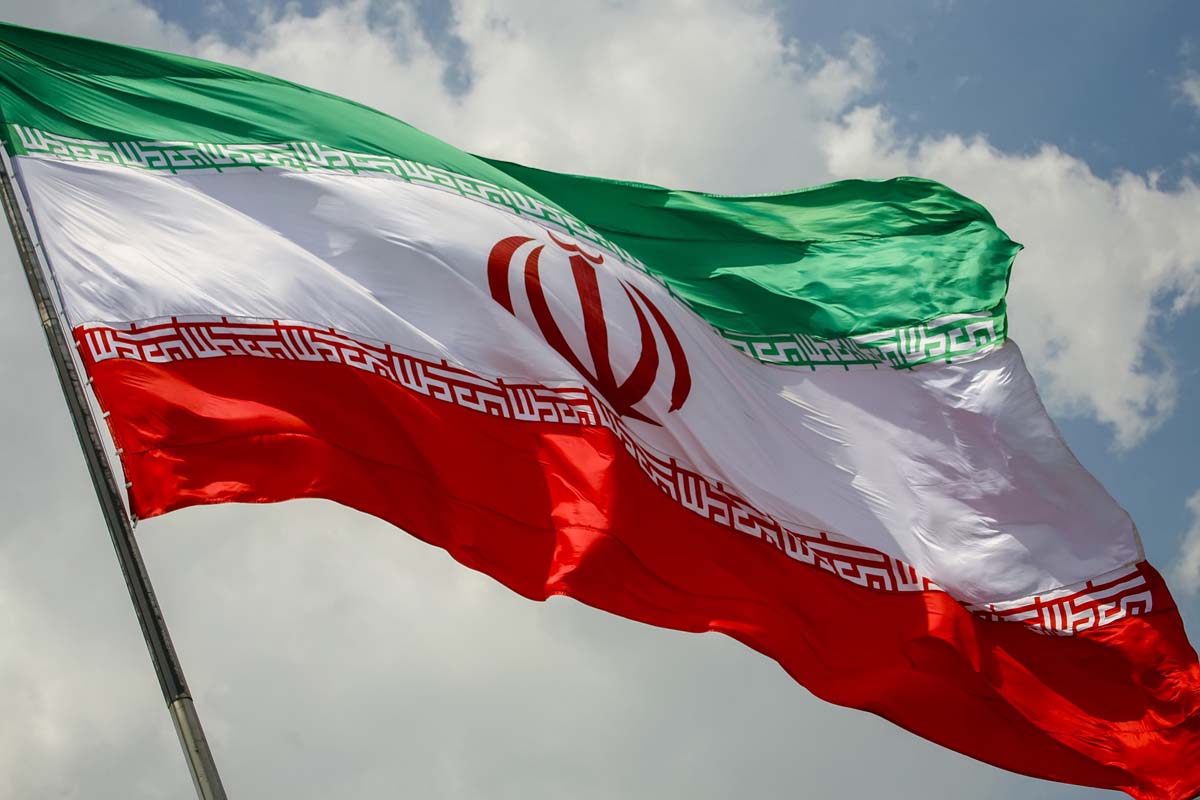
Iran Warns US Political Assets Could Become Targets in Renewed War


(MENAFN) Iran has warned that US political assets and infrastructure in countries involved in a future war against Tehran could be treated as “legitimate targets” if Iranian officials are assassinated or civilians are killed, a senior Iranian security official said Wednesday.
The official said Tehran expects the United States and Israel to launch another military attack and regards Washington’s diplomatic overtures as “unreliable,” according to reports.
The official added that Iran’s concerns had grown following remarks by US Secretary of State Marco Rubio in Athens, which Iranian officials interpreted as an attempt to justify Washington’s war against Iran on historical and civilizational grounds.
According to the official, an increasing number of Iranian political and intellectual figures believe that Israel largely determines US policy in the Middle East and is obstructing efforts by Washington to reach a diplomatic settlement. The official also claimed that Israel holds a central position in President Donald Trump’s regional strategy.
Tehran considers itself already engaged in a conflict with Washington, the official said, arguing that the US economic and naval blockade, together with restrictions on Iranian airspace, represents a continuation of the military campaign that began on Feb. 28.
The official further said growing pressure from various segments of Iranian society was pushing the authorities toward “decisive action” to end the blockade, which Tehran views as a matter of self-defense.
According to the official, Iranian authorities have issued instructions to operational units outlining how they should respond if another large-scale conflict breaks out and involves the assassination of Iranian officials and the killing of civilians. Under those circumstances, US political assets and infrastructure belonging to countries participating in the conflict would be considered “legitimate targets,” the official warned.
The statement comes as tensions between Tehran and Washington remain elevated over the US naval blockade and restrictions affecting maritime movement through the Strait of Hormuz, a strategically important waterway for international energy shipments.
The United States and Israel launched military strikes against Iran on Feb. 28, setting off a broader regional conflict. Subsequent diplomatic initiatives have yet to resolve disagreements over the blockade and security arrangements governing the strategic maritime passage.
The warning also follows a report in Israeli media that dozens of Israeli fighter jets flew near Iran’s border earlier this week. US sources cited in the report suggested that the operation may have been intended to provoke a response from Tehran.

Legal Disclaimer:
MENAFN provides the
information “as is” without warranty of any kind. We do not accept
any responsibility or liability for the accuracy, content, images,
videos, licenses, completeness, legality, or reliability of the information
contained in this article. If you have any complaints or copyright
issues related to this article, kindly contact the provider above.


Comments
No comment