


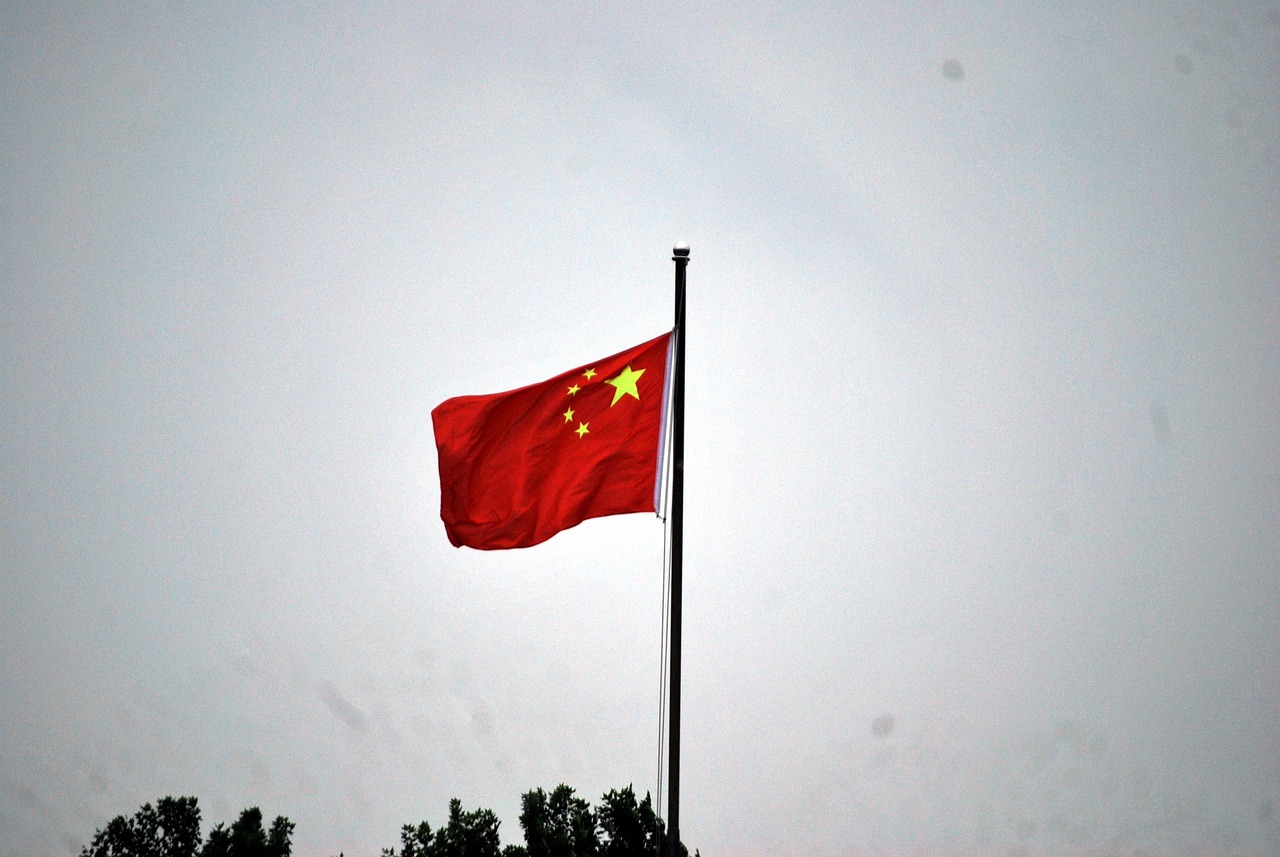
China Justifies Japan Rare-Earth Export Restrictions Over Security Concerns


(MENAFN) China has defended its restrictions on rare-earth shipments to Japan, arguing that the controls are necessary to address concerns over Tokyo’s potential “remilitarization” and pursuit of nuclear weapons.
At a regular press briefing in Beijing on Wednesday, Chinese Foreign Ministry spokesperson Mao Ning said the measures had been introduced in line with the country’s laws and regulations.
Her remarks followed reports that Japan had asked the United States to help persuade Beijing to relax its export restrictions as supplies of yttrium, a strategically important rare-earth material, continue to decline.
“China’s position on maintaining the stability and security of global critical mineral production and supply chains remains unchanged,” Mao said, urging all parties to contribute constructively to maintaining stable and secure supply networks.
According to reports published Tuesday, Japan could deplete its existing yttrium reserves within a matter of months, raising concerns about possible interruptions to manufacturing across the automotive, aerospace and semiconductor industries.
Japanese officials reportedly approached Washington and major American companies to seek assistance in addressing the supply shortage.
Yttrium is used in heat-resistant coatings for jet engines and semiconductor manufacturing equipment. Its prices in markets outside China have climbed dramatically, increasing 179-fold over the past two years.
Beijing strengthened export restrictions affecting Japanese businesses in February, focusing on companies it alleges have connections to military manufacturing.

Legal Disclaimer:
MENAFN provides the
information “as is” without warranty of any kind. We do not accept
any responsibility or liability for the accuracy, content, images,
videos, licenses, completeness, legality, or reliability of the information
contained in this article. If you have any complaints or copyright
issues related to this article, kindly contact the provider above.


Comments
No comment