


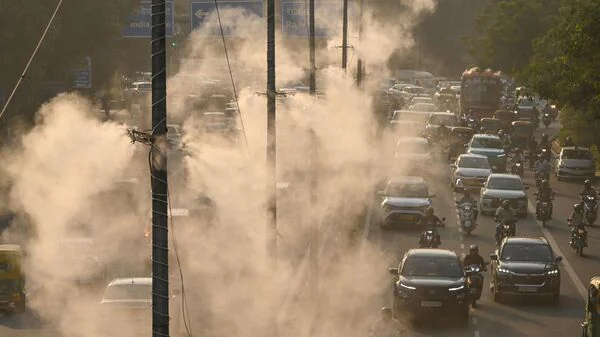
GRAP 1 In Delhi: Impact On NCR Offices? WFH Or Work As Usual? Know About Restrictions And Bans Today


Delhi's AQI reached 244 on 21 October at 2 PM, entering the“poor” category. It stood at 179, in the“moderate” category, on 20 October. CAQM said forecasts indicated poor air quality would continue over the coming days.
Mandatory WFH?Offices are not subject to a mandatory work-from-home (WFH ) order at this stage. For office workers, Stage I does not require reduced attendance or changes to office timings.
Quick answers to key questions
.5 QUESTIONS1Does GRAP Stage I make work from home mandatory for Delhi-NCR offices?⌵No. Stage I does not require reduced office attendance or changes to office timings. Employers are encouraged to arrange shared commuting, and employees are advised to use public transport or carpool.
2Why was GRAP Stage I imposed in Delhi-NCR?⌵Delhi's AQI rose to 244 on 21 October, up from 179 the previous day, and entered the 'poor' category. GRAP Stage I applies when AQI is between 201 and 300, with forecasts indicating poor air quality would continue.
3Can construction continue in Delhi-NCR under GRAP Stage I?⌵Yes, if sites follow dust-control rules and cover construction materials and waste during storage and transport. Projects of 500 square metres or more must meet registration and monitoring requirements; work at non-compliant projects cannot proceed.
4Are private cars banned under GRAP Stage I in Delhi?⌵No general ban on private cars is imposed. Authorities must enforce PUC requirements and existing restrictions on overaged vehicles; visibly polluting vehicles may be seized or penalised.
5What activities and fuels are banned under GRAP Stage I in Delhi-NCR?⌵Open burning of biomass and municipal waste is prohibited, as is using coal or firewood in tandoors at hotels, restaurants and open eateries. Those eateries must use electricity, gas or other clean fuels, and diesel generators cannot be used as regular power sources.
Employers are encouraged to arrange shared commuting for staff to reduce road traffic. Employees are advised to use public transport or carpool. Public transport services should expand.
Also Read | Delhi AQI to slip into 'poor' category from WednesdayMandatory staggered timings for specified government offices appear under Stage II. Under Stage III, governments must decide whether to allow offices to operate at 50% attendance.
The remaining staff would work from home under such arrangements. Stage I itself contains neither requirement.
Other restrictions and bansConstruction and demolition activities can continue, provided sites follow dust control rules. Materials and waste must remain covered, including during transport.
Projects covering at least 500 square metres must meet registration and monitoring requirements. Work at projects failing these requirements cannot proceed.
Open burning of biomass and municipal waste is banned. Illegal dumping of waste in open areas is also prohibited. Authorities must collect waste regularly and prevent fires at landfill sites.
Also Read | GRAP 1 restrictions, bans in Delhi: Impact on cars, trucks, hotels, constructionVehicles must follow pollution rules, with stricter checks on Pollution Under Control (PUC) certificates. Visibly polluting vehicles face seizure, maximum penalties, or both. Existing restrictions on overaged petrol and diesel vehicles must be enforced.
Stage I does not impose a general ban on private cars. However, specified interstate and intercity buses face restrictions in Delhi-NCR. Only electric, CNG and BS-VI diesel buses qualify from the listed states.
These include Haryana, Uttar Pradesh, Rajasthan, Punjab, Himachal Pradesh, Madhya Pradesh and Uttarakhand. Jammu and Kashmir is also covered.
Hotels, restaurants and open eateries cannot use coal or firewood in tandoors. They must use electricity, gas or other clean fuels. Industries must follow emission limits and use approved fuels.
Also Read | Delhi to Palwal in 45 mins from 3 hrs? How the new expressway could ease trafficDiesel generators cannot be used as regular electricity sources. Their operation remains subject to capacity limits, emission controls and emergency exemptions. Existing court orders concerning firecrackers must also be enforced.
GRAP Stage I covers AQI readings between 201 and 300. Higher stages introduce additional restrictions as pollution worsens.
Delhi Environment Minister Manjinder Singh Sirsa said authorities were implementing an 11-point action plan. He identified dust control, electric vehicles and vehicle emissions among the government's priorities.

Legal Disclaimer:
MENAFN provides the
information “as is” without warranty of any kind. We do not accept
any responsibility or liability for the accuracy, content, images,
videos, licenses, completeness, legality, or reliability of the information
contained in this article. If you have any complaints or copyright
issues related to this article, kindly contact the provider above.


Comments
No comment