


What's Actually Made Fresh At The Grocery Store Bakery?


The smell of warm bread and cookies can make the grocery store bakery one of the hardest sections to walk past without buying something. Rows of golden rolls, frosted cupcakes, and fresh-looking pastries create the impression that bakers prepared everything that morning. Sometimes, that is true, but many supermarket bakeries rely on frozen dough, premade mixes, and products shipped from commercial facilities. The surprising part is that an item can genuinely be baked in the store without being made from scratch there. Here are the bakery items most likely to be baked, assembled, or finished on-site, along with what shoppers should know before assuming everything behind the counter is homemade.
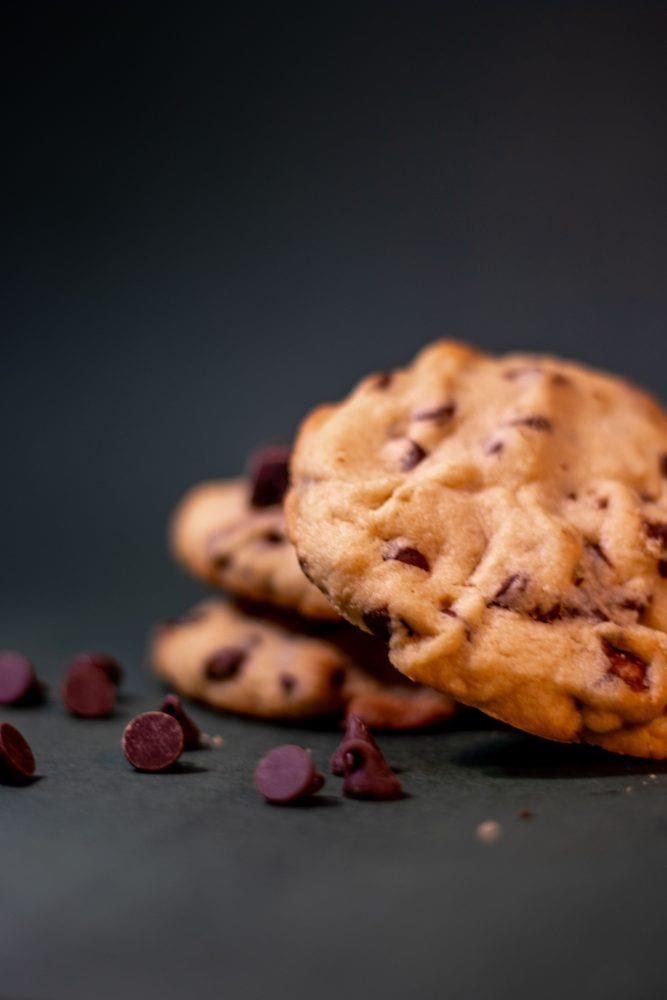
Chocolate Chip Cookies Are Often Baked in the StoreChocolate chip cookies are among the bakery items that grocery stores can easily bake throughout the day. Some departments receive frozen, pre-portioned cookie dough, place the pieces on baking sheets, and put them directly into the oven. This produces the familiar smell and warm, soft texture shoppers associate with fresh cookies. Other stores may prepare certain cookie varieties from mixes or recipes in their own bakery kitchens.
The important distinction is where the dough was prepared, not simply where the cookies were baked. A cookie that comes out of a supermarket oven may have been mixed and portioned at a separate manufacturing facility weeks earlier. That does not necessarily make it less enjoyable, but it means the product was not made entirely from scratch in the store. If you want to know how your favorite cookies are prepared, ask a bakery employee whether the dough arrives frozen or is mixed on-site.
Bread and Dinner Rolls May Get Their Final Bake in the StoreBread is one of the most convincing examples of the difference between freshly baked and freshly made. Some grocery bakeries mix ingredients and prepare dough on-site, while others receive dough that has already been mixed, shaped, or partially baked elsewhere. Employees may then finish baking the loaves or rolls in store ovens. This final step creates a crisp crust and warm interior that make the bread smell as though it came straight from a traditional bakery.
French bread, baguettes, dinner rolls, and artisan-style loaves can all follow different production methods depending on the retailer and product. Some arrive partially baked, while others arrive as frozen dough that requires more work before reaching the display. Consequently, seeing a loaf come out of an oven does not tell you how much preparation happened in the store. If scratch-made bread matters to you, ask whether employees mix and knead the dough on-site or finish the baking process.
Muffins May Be Mixed On-Site or Made From a Prepared MixBlueberry, banana nut, chocolate chip, and bran muffins are familiar sights in grocery store bakeries. Their production methods vary, but some stores prepare muffin batter in the bakery, portion it into pans, and bake batches throughout the day. Other locations use commercial mixes or frozen batter supplied by outside manufacturers. Both methods can produce muffins that look freshly baked when placed on the shelves.
Large batches and consistent sizing make muffins practical for supermarket bakeries, particularly when stores need to keep popular flavors available. However, a muffin baked that morning may still contain ingredients that were measured and combined elsewhere. Shoppers should not assume a wide selection of flavors means every variety is made from a separate scratch recipe. If you prefer muffins prepared entirely in-house, ask which flavors the bakery mixes and bakes itself.
Custom Cakes Often Receive Their Finishing Touches in the StoreBirthday and celebration cakes can involve more hands-on work than shoppers realize, especially when customers request personalized messages, decorative borders, or specific colors. Many grocery bakeries have employees who write messages, pipe frosting, add decorations, and assemble or finish cakes according to customer orders. These steps can take place in the store even when the cake layers or other components were produced elsewhere. The finished cake may therefore be customized locally without being baked from scratch in that location.
The process differs by retailer, cake style, and store. Some bakeries bake their own cake layers and prepare fillings or frostings, while others receive frozen cakes or premade components that employees thaw, assemble, and decorate. A custom message proves someone personalized the cake, not that the entire dessert was made from raw ingredients on-site. If you are ordering a special-occasion cake, ask whether the bakery makes the cake layers itself and which parts arrive prepared.
Croissants and Danish Pastries Are Often Baked From Frozen DoughCroissants and Danish pastries can look especially impressive behind bakery glass, but they frequently involve production methods that begin outside the store. Many supermarkets receive frozen, shaped pastries that employees bake before displaying them. Other products may arrive partially baked and require a final round in the oven. This approach allows stores to offer a variety of pastries without needing specialized staff to prepare laminated dough from scratch every day.
Making croissants from scratch is a labor-intensive process that involves layering dough with butter, folding it repeatedly, and allowing time for resting and proofing. Using frozen, prepared dough helps grocery bakeries maintain consistent results and offer pastries more efficiently. The final product can still be baked that day, even if much of the work happened elsewhere. If you are curious about a particular croissant or Danish, ask whether the bakery prepares the dough itself or bakes a delivered product.
Bagels May Be Boiled and Baked Elsewhere Before ArrivingBagels have a distinctive chewy texture, and traditional preparation involves shaping the dough, allowing it to rise, boiling it, and then baking it. Some grocery bakeries handle more of this process themselves, while others receive frozen dough or partially baked bagels from an outside supplier. Employees may finish baking the bagels in-store, giving them a warm exterior and a fresher texture at the time of purchase. The production process can vary even between different bagel varieties sold by the same retailer.
A bagel displayed beside freshly baked bread is not necessarily made from scratch in the same kitchen. Some stores focus on finishing products for sale, while others have more extensive baking operations. The best way to find out is to ask whether the bagels are shaped and prepared in the store or arrive ready for the final baking step. If you prefer a particular texture, you can also ask when the latest batch came out of the oven.
Pies and Seasonal Baked Goods Depend on the StoreFruit pies, pumpkin pies, loaf cakes, and seasonal treats are another category where production methods can differ significantly. Some grocery bakeries prepare certain pies or cakes in their own kitchens, while others use commercially prepared fillings, mixes, crusts, or fully baked products. Seasonal demand can make prepared components especially useful because stores need to stock large quantities during holidays. A pie that looks homemade may therefore combine several components that were produced in different places.
This does not mean every grocery store pie is frozen or that no supermarket makes desserts from scratch. Some retailers have dedicated production kitchens and bake particular items on-site, while others rely more heavily on central facilities. The answer may even differ between two products sold in the same bakery department. Before paying extra for a dessert because it appears freshly made, ask whether it was mixed, assembled, and baked in the store or simply thawed and displayed.
How to Tell What Your Grocery Bakery Actually MakesThe most useful question to ask is not simply whether an item is fresh, but what the bakery does to prepare it for sale.“Baked fresh in-store” may mean employees put frozen dough into an oven that morning, while“made from scratch” generally means the ingredients are combined and prepared at the bakery rather than supplied as finished dough or batter. Neither phrase alone tells you everything about the ingredients, quality, or taste. Asking a specific question about mixing, shaping, baking, or decorating will usually provide a clearer answer.
It is also worth remembering that grocery bakery departments are not all alike. A store with a larger production kitchen may prepare more items from scratch, while another may specialize in baking and finishing products supplied by outside manufacturers. Frozen ingredients are not automatically a sign of poor quality, and freshly baked does not guarantee a product is better than one made elsewhere. The next time you stop for bread or a box of cookies, take a moment to ask how it was made. You may discover that your favorite bakery treat involves more in-store work than expected, or that the most tempting item only needed a quick trip through the oven.
What To Read NextThe Best Time of Day to Grocery Shop for Clearance Meat and Bakery Deals
6 Things to Buy at the Bakery Counter Near Closing Time
The Late Night Markdown When Stores Discount Fresh Bakery Items
5 Reasons You Should Start Shopping the Bakery Clearance Rack
9 Bakery Specials That Expire the Next Day

Legal Disclaimer:
MENAFN provides the
information “as is” without warranty of any kind. We do not accept
any responsibility or liability for the accuracy, content, images,
videos, licenses, completeness, legality, or reliability of the information
contained in this article. If you have any complaints or copyright
issues related to this article, kindly contact the provider above.


Comments
No comment