


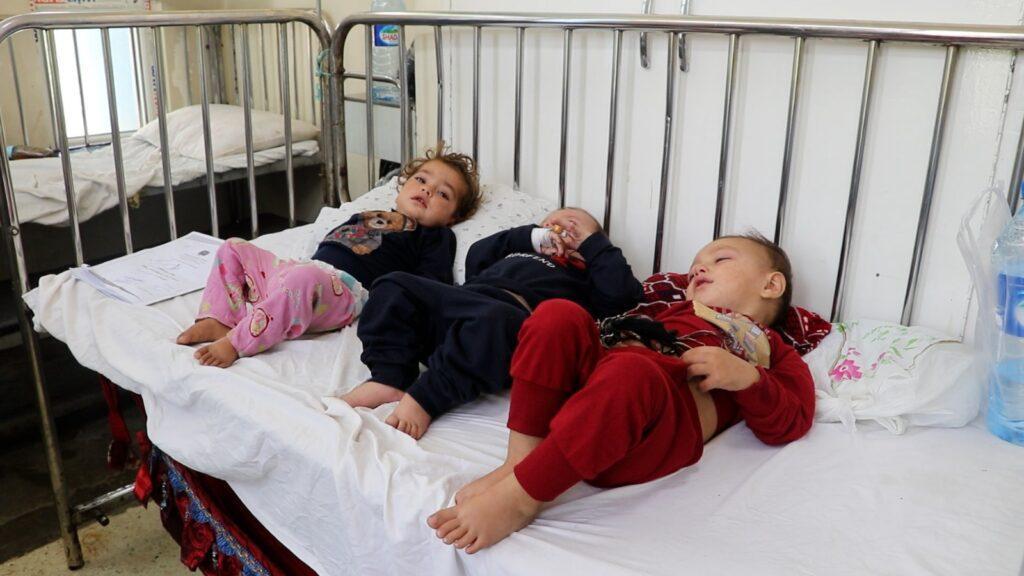
Measles In Children: Symptoms, Risks And Prevention


They have urged families to ensure their children receive all routine childhood vaccinations and seek medical care promptly if they develop symptoms of the disease.
Meanwhile, the World Health Organisation (WHO) said in a recent report that 18,826 suspected measles cases were recorded in Afghanistan between January and the end of August this year.
Specialists: Measles poses greatest threat to unvaccinated children
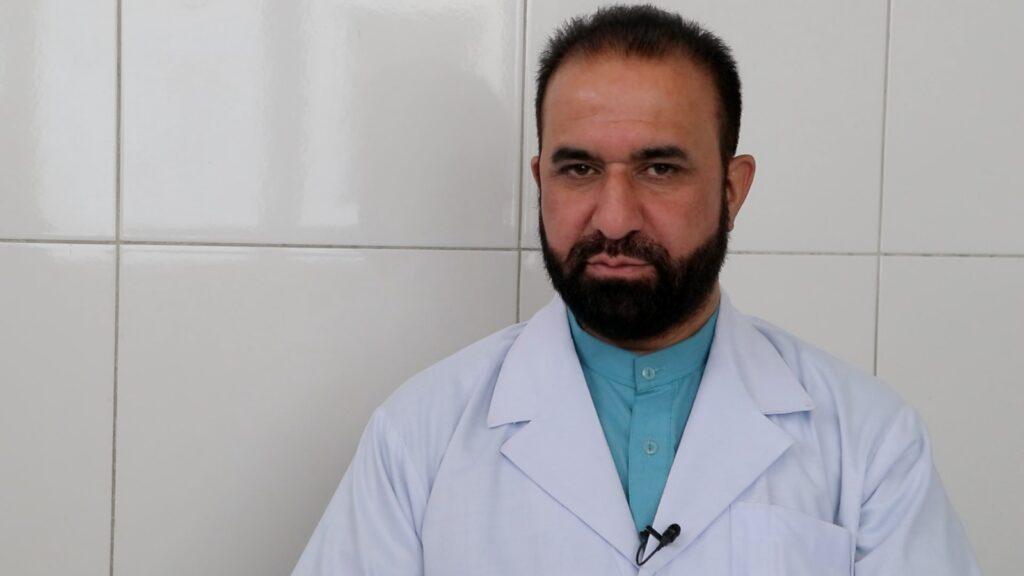
Dr Faridullah Omari, an infectious disease specialist and trainer at the National Specialised Infectious Diseases Hospital in Kabul, told Pajhwok Afghan News that measles is an acute, highly contagious viral disease that affects both children and adults.
However, he said the disease spreads mainly among unvaccinated children, particularly infants and those suffering from malnutrition.
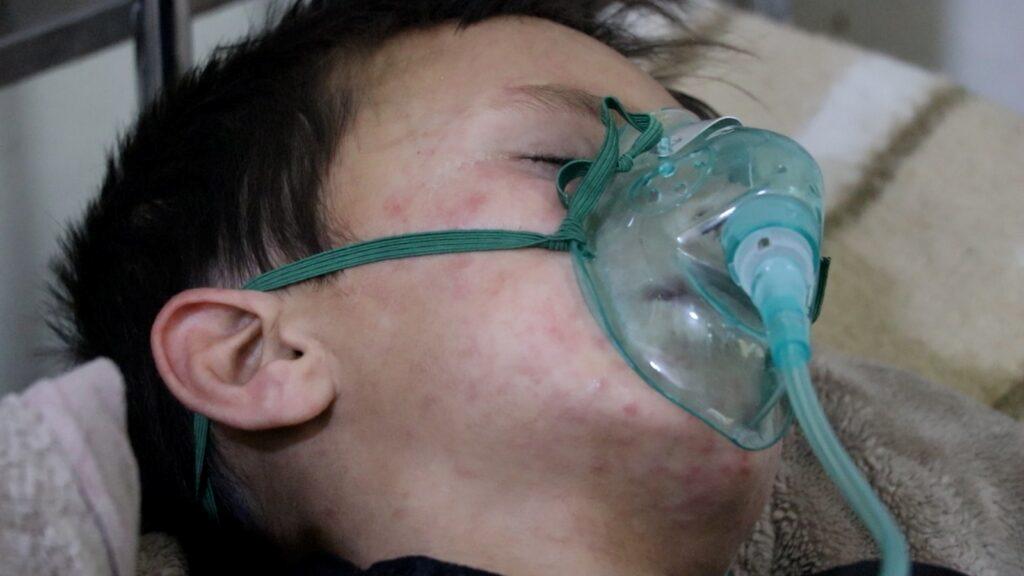
Measles is transmitted through the air and respiratory droplets released when an infected person coughs, sneezes or breathes. Its main symptoms include fever, cough, a runny nose, red and watery eyes, and a skin rash.
Omari added that measles can cause complications such as diarrhoea, dehydration, pneumonia, middle-ear infection and inflammation of the brain. In severe cases, it can also lead to death.
Vaccination is the most effective way to prevent measles, he said. Under the national immunisation programme, two doses of the vaccine reduce the risk of infection and complications.
He added that early identification of suspected cases, preventing contact between infected people and others, and following healthcare workers' advice were also important in controlling the spread of the disease.
Omari said there was no specific antiviral treatment for measles. Care for affected children involves supportive treatment, providing adequate fluids, ensuring proper nutrition and administering vitamin A in accordance with medical guidance.
Infants, malnourished people and those with weakened immune systems face a higher risk of severe complications, he warned.
Meanwhile, Professor Dr Mohammad Aref Hassanzai, head of the internal medicine department at the Indira Gandhi Children's Hospital Institute in Kabul, highlighted the importance of vaccination in preventing measles.
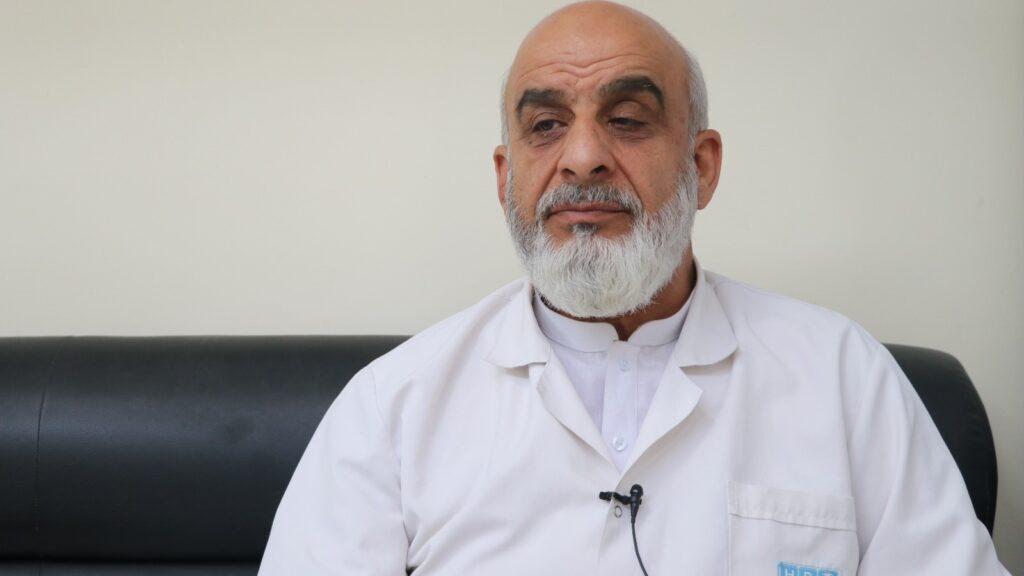
“One way to control the virus is vaccination. We have a highly effective vaccine against measles, which is administered in three stages. When given, it provides immunity against the disease,” he said.
He added that weak and malnourished children were more vulnerable to infections and urged families to ensure their children received routine childhood vaccinations on time.
Hassanzai also stressed the importance of hygiene and proper nutrition. He said children infected with measles should be kept away from others, particularly unvaccinated children, to prevent transmission.
Two hospitals report 17 child deaths from measles
Dr Khyber Sahak, director of Kabul's Indira Gandhi Children's Hospital, said 281 confirmed measles cases had been recorded at the facility from the beginning of the current year until October 6, resulting in 15 deaths.
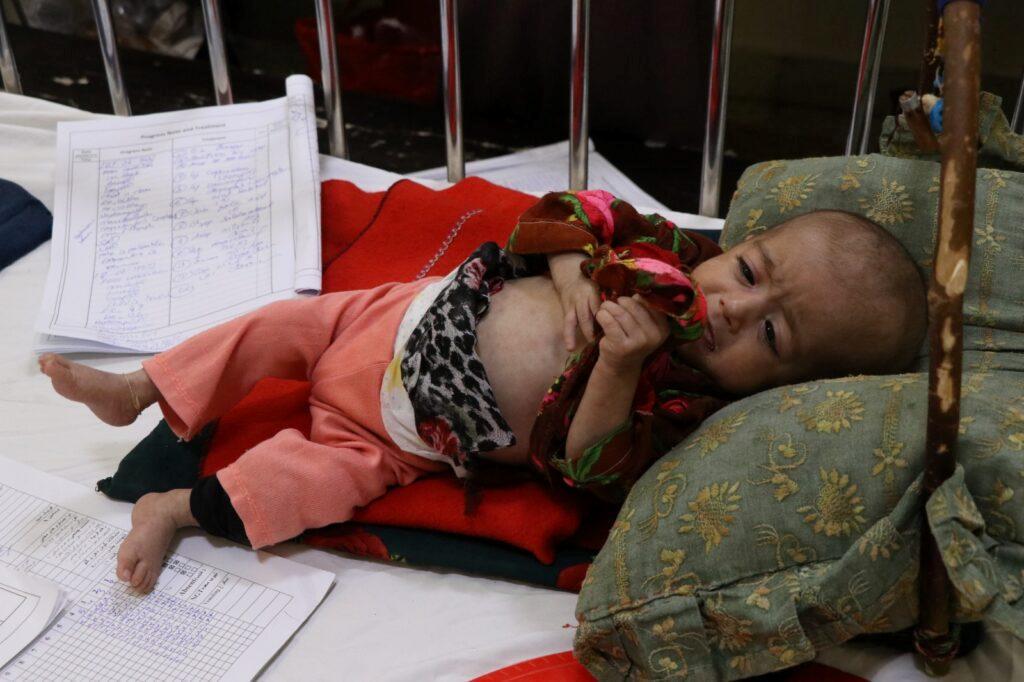
According to him, 1,023 children were treated for measles at the hospital last year, 25 of whom died.
Commenting on the rise in cases, Hassanzai said measles infections in the hospital's infectious diseases department had increased over the past two or three years, including this year. He noted that seasonal factors also played a role.
He said measles-related deaths often occurred when patients were also suffering from other illnesses, such as pneumonia.
Children whose families delayed seeking medical care faced a greater risk of complications and other serious consequences, he added.
Hassanzai urged families to ensure their children received routine childhood vaccinations, breastfeed infants for the first six months of life, and introduce appropriate complementary foods thereafter.
He also stressed that children with measles should be kept away from healthy children and should not be deprived of food during their illness.
“There are some very harmful traditional practices in families. Children are denied certain foods, kept in excessively hot conditions and sometimes even have their faces left unwashed,” he said, calling for greater attention to hygiene.
Dr Ahmad Milad Shirzad, a paediatric specialist at Kabul's Ataturk National Children's Hospital, said 181 confirmed measles cases had been recorded at the facility from the beginning of the current solar year in March until October 19. Two patients had died.
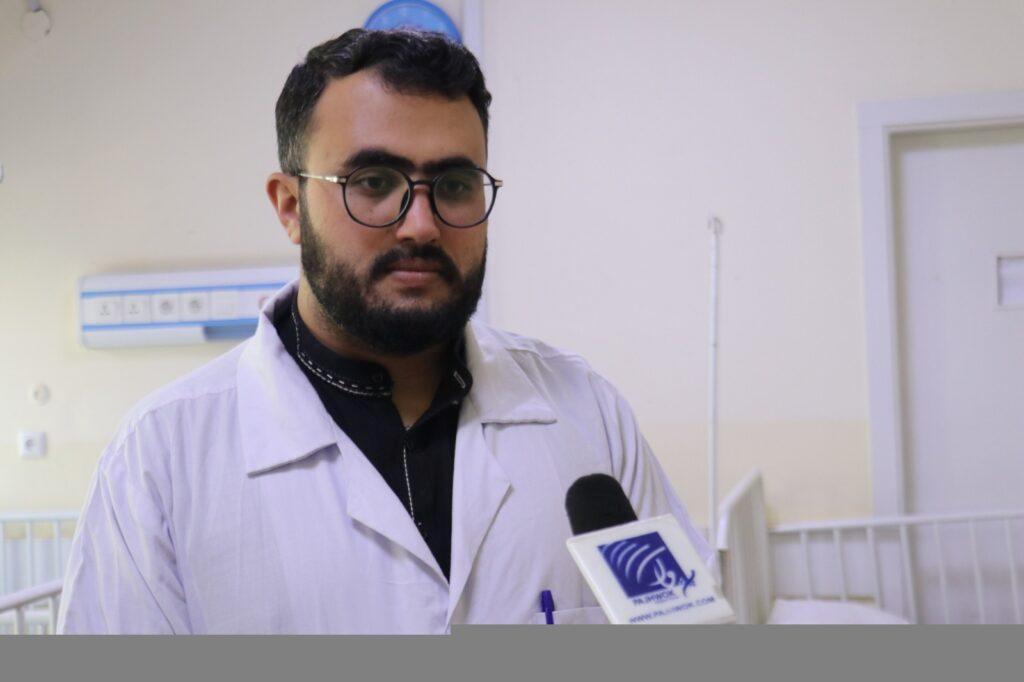
He said the hospital had recorded 922 measles cases in the previous solar year, 1404, of which 16 patients had died.
“Based on our hospital's experience, measles cases were higher last year but have declined this year. A nationwide campaign was conducted last year, public awareness increased and vaccination campaigns were also carried out. These measures have helped reduce cases to some extent,” Shirzad said.
He added:“This year, we might have three measles patients in each room of our hospital, whereas last year there could be three patients in a single bed. Previously, five or six patients would come in a day, but now perhaps only two patients seek treatment daily.”
Families share experiences of children with measles
Jan Agha, a resident of Parwan province whose son was receiving treatment at Indira Gandhi Children's Hospital, said his child had contracted measles despite having received vaccinations. However, his son's condition improved after he was admitted to the hospital.
Another caregiver, Barat Khan, a resident of Kabul's Bagrami district, said his son had been admitted to the hospital eight days earlier after developing a high fever and a skin rash. His condition had since improved.
He added that several other children in their neighbourhood had also contracted the disease.
hz/sa

Legal Disclaimer:
MENAFN provides the
information “as is” without warranty of any kind. We do not accept
any responsibility or liability for the accuracy, content, images,
videos, licenses, completeness, legality, or reliability of the information
contained in this article. If you have any complaints or copyright
issues related to this article, kindly contact the provider above.


Comments
No comment