


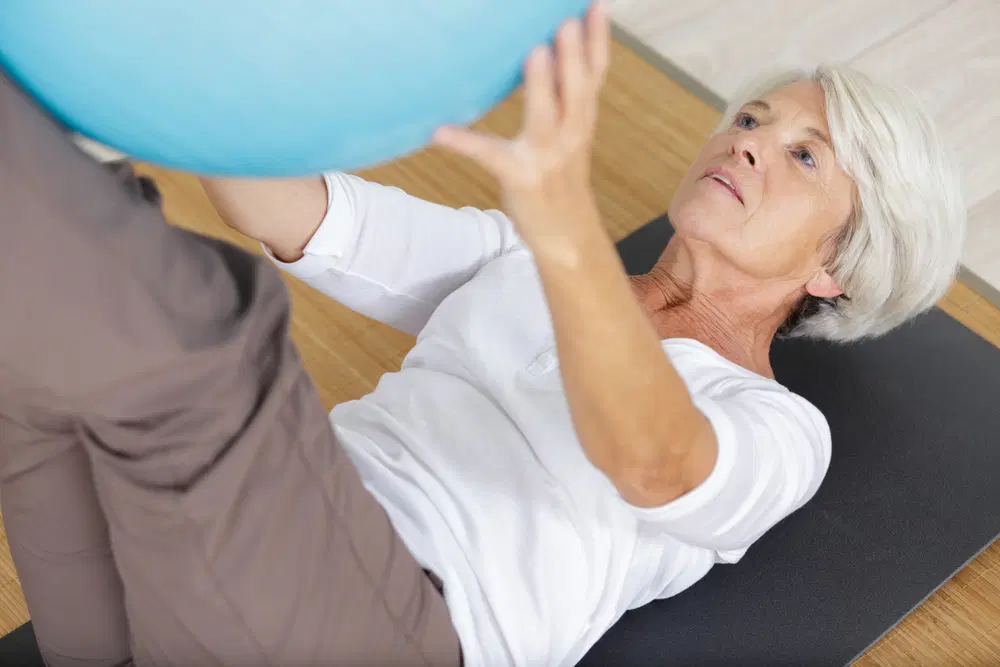
The 15-Minute Workout Trend That's Getting Women Over 50 Moving Again


What if getting stronger after 50 didn't require an expensive gym membership, complicated exercise equipment, or an hour of your day? For women dealing with menopause, joint discomfort, changing energy levels, or demanding schedules, the idea of squeezing in another lengthy workout can feel overwhelming. That's why a simpler approach is getting attention: exercising for just 15 minutes at a time.
In a September 2026 Women's Fitness article, menopause fitness coach Cara Metz explained how shorter, consistent exercise sessions can help women develop sustainable fitness habits without making exercise another source of stress. The approach isn't about promising dramatic transformations in two weeks or replacing every other form of physical activity. Instead, a 15-minute workout for women over 50 offers a manageable starting point for improving strength, mobility, and overall well-being without spending a fortune.
Why 15-Minute Workouts Are Getting So Much AttentionThe appeal of a shorter workout comes down to something many fitness programs overlook: real life doesn't always leave room for an hour at the gym. Women over 50 may be balancing careers, aging parents, grandchildren, household responsibilities, and their own changing health needs. Metz argues that consistency often matters more than committing to ambitious routines that become difficult to maintain after a few weeks.
A 15-minute workout for women over 50 can fit between appointments, before breakfast, or during an afternoon break without requiring travel or expensive equipment. While 15 minutes isn't a magic number, making exercise more accessible can help people build habits they might otherwise abandon.
Research Shows Shorter Exercise Sessions Still CountThe idea that exercise must happen in long sessions to provide health benefits isn't supported by current physical activity guidance. The Centers for Disease Control and Prevention explains that older adults can accumulate physical activity throughout the week rather than completing it all at once.
For adults 65 and older, the agency recommends at least 150 minutes of moderate-intensity aerobic activity weekly, along with muscle-strengthening and balance activities. Someone taking two brisk 15-minute walks five days a week could meet the aerobic portion of that recommendation without ever completing a traditional hour-long workout. However, shorter sessions still need appropriate intensity and variety, and a gentle stretching routine shouldn't be mistaken for a complete cardiovascular or strength-training program.
Strength Training Matters More as Women AgeMuscle strength becomes increasingly important during midlife and beyond because aging and hormonal changes can affect muscle mass, bone health, and physical function. According to the National Institute on Aging, resistance training can help older adults maintain strength and mobility needed for everyday activities. A 15-minute workout for women over 50 might include chair squats, wall push-ups, or resistance-band exercises targeting major muscle groups. These movements support practical goals such as carrying groceries, climbing stairs, getting out of a chair, and maintaining independence.
Women experiencing persistent joint pain or difficulty with everyday movements may also benefit from discussing individualized exercise options with a healthcare professional, including providers available through Revere Health.
You Don't Need an Expensive Gym MembershipOne of the biggest advantages of exercising at home is the opportunity to avoid recurring fitness expenses. A gym membership costing $40 monthly adds up to $480 annually, and that doesn't include transportation, specialized classes, or equipment purchases. Many effective beginner exercises require nothing more than a sturdy chair, a wall, comfortable shoes, and enough space to move safely.
The CDC identifies bodyweight exercises and resistance bands as ways to strengthen muscles without traditional gym equipment. For women managing retirement expenses or simply trying to reduce unnecessary spending, a 15-minute workout for women over 50 can be an affordable alternative to fitness programs they may not consistently use.
A Simple 15-Minute Workout You Can Try at HomeA beginner-friendly routine can combine gentle cardiovascular movement, strengthening exercises, and a gradual cooldown without complicated equipment. Start with three minutes of comfortable marching in place, followed by three minutes of controlled chair stands using a sturdy, nonrolling chair for support when needed. Spend another three minutes performing wall push-ups with rest breaks, then three minutes alternating supported heel raises and gentle side steps near a countertop. Finish with three minutes of slower walking, relaxed breathing, and comfortable stretching while avoiding movements that cause pain or instability. This sample 15-minute workout for women over 50 is a starting point rather than a personalized medical prescription, and women with significant balance problems, osteoporosis, recent surgery, or other health concerns should ask a qualified professional about appropriate modifications.
Short Workouts May Help With Sleep and StressPhysical activity can support more than muscle strength, particularly for women navigating the physical and emotional changes associated with menopause. The CDC reports that physical activity can improve sleep quality and reduce anxiety, with some benefits occurring after a single session. Metz also emphasizes the relationship between manageable exercise, stress, and sleep during the menopause transition.
However, researchers haven't established that a specific 15-minute routine will eliminate hot flashes, reverse hormonal changes, or resolve persistent sleep disorders. Women experiencing disruptive menopause symptoms should consider exercise one part of a broader health strategy and discuss ongoing concerns with a qualified healthcare provider rather than relying on fitness trends alone.
Why Consistency Beats an Occasional Intense WorkoutA demanding workout completed once every few weeks may be less useful for building a sustainable routine than regular movement that gradually increases in duration and difficulty. The National Institute on Aging recommends starting slowly, setting realistic goals, and increasing activity over time to reduce injury risk.
For example, someone who begins with a 15-minute walk three days a week might eventually add another walking day and two short strength-training sessions. Tracking progress through improvements in walking endurance, balance, or everyday activities can be more meaningful than focusing exclusively on weight loss. A 15-minute workout for women over 50 works best when it becomes part of a balanced routine rather than an occasional attempt to compensate for weeks of inactivity.
Know When Your Body Needs a Different ApproachNot every exercise is appropriate for every woman, especially when arthritis, osteoporosis, chronic pain, or previous injuries affect mobility. Someone with knee discomfort might need a modified chair stand, while a woman experiencing balance problems may require additional support during standing exercises. The National Institute on Aging emphasizes that people with chronic conditions can often remain physically active when exercises are adapted to their abilities and medical needs.
If you're uncertain which movements are appropriate, a medical evaluation or physical therapy consultation through a provider such as Revere Health may help you identify safer ways to build strength and mobility. Stop exercising if you experience chest pain, dizziness, unusual shortness of breath, or other concerning symptoms, and seek appropriate medical attention rather than pushing through discomfort.
The Financial Benefits Go Beyond Skipping the GymSaving money on a gym membership is an obvious advantage, but maintaining physical function can also have long-term financial implications. Falls, mobility limitations, and preventable injuries can create expenses involving medical appointments, rehabilitation, transportation, and assistance with everyday activities. Regular physical activity supports balance, strength, and independence, although no exercise routine can guarantee that someone will avoid future healthcare costs. Investing time in movement may therefore be worthwhile even when the immediate financial savings are relatively modest.
Women who want additional guidance can explore healthcare and rehabilitation options through Revere Health, particularly when pain or mobility concerns make exercising independently difficult.
Fifteen Minutes Could Be the Beginning of Something BiggerThe biggest lesson behind the 15-minute workout trend isn't that women over 50 should limit themselves to 15 minutes of exercise. It's that getting started with a manageable routine can be more productive than waiting for the perfect schedule, expensive equipment, or a burst of motivation. Short workouts can help build consistency, while gradually adding aerobic activity, strength training, and balance exercises creates a more complete approach to healthy aging. Whether you're returning to exercise after years of inactivity or looking for an affordable way to stay strong, choosing a realistic routine is often the most important first step.
Would a 15-minute workout make you more likely to exercise regularly, or have you already found a short routine that works for you? Share your experiences in the comments.

Legal Disclaimer:
MENAFN provides the
information “as is” without warranty of any kind. We do not accept
any responsibility or liability for the accuracy, content, images,
videos, licenses, completeness, legality, or reliability of the information
contained in this article. If you have any complaints or copyright
issues related to this article, kindly contact the provider above.


Comments
No comment