


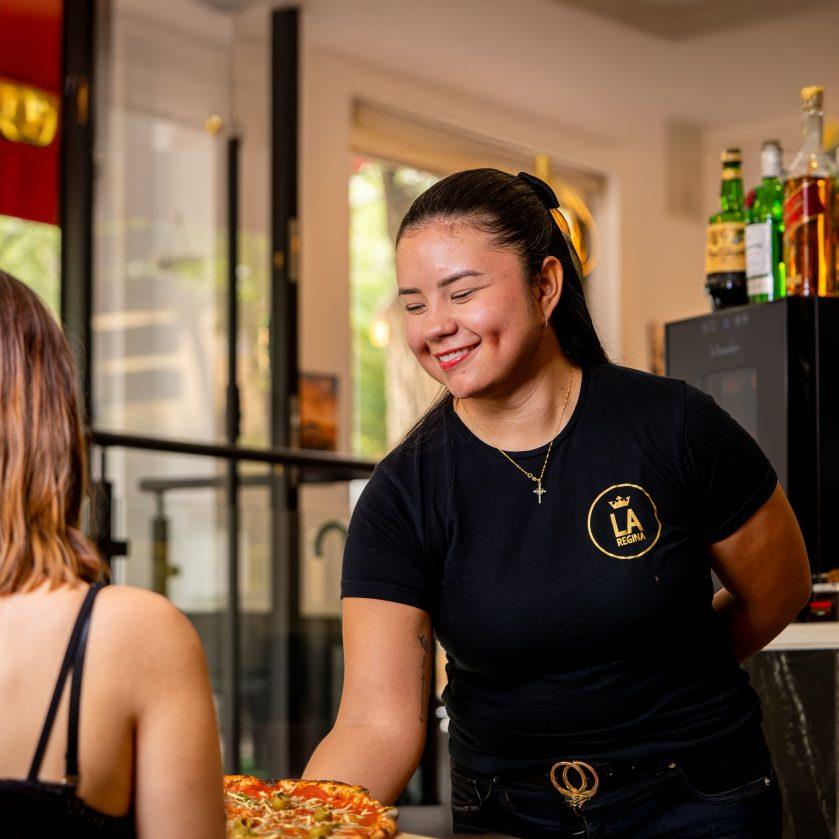
Your Server Told You Their Name For A Reason - Try Remembering It


When a server introduces themselves at the beginning of a meal, most diners are already thinking about the menu, their drinks, or what everyone at the table wants to order. The introduction can feel like a routine part of the greeting, and the name is often forgotten before the appetizers arrive. But that small detail offers an easy opportunity to make a restaurant interaction feel more personal. Remembering your server's name is not about becoming their favorite customer or expecting special treatment. It is a simple way to acknowledge the person helping you throughout your meal, and it can change the tone of an otherwise ordinary dining experience.
Your Server Is Introducing Themselves, Not Just Starting a ScriptIn many restaurants, servers are encouraged to introduce themselves when they first approach a table. The greeting helps establish a friendly tone and lets diners know who will be assisting them. Although the wording may sound rehearsed, the person delivering it is still an individual trying to make the meal go smoothly. Remembering their name acknowledges that introduction instead of treating it as background noise before ordering.
You do not need to turn the moment into a lengthy conversation or ask personal questions. A simple response such as,“Nice to meet you, Sarah,” is enough to show you heard them. If you forget the name, there is nothing wrong with asking politely later. The point is not to pass a test of restaurant manners. It is to pay attention to a small detail during an interaction that can otherwise become transactional.
Using Their Name Can Make the Interaction Feel More PersonalThere is a difference between calling someone over with a sharp wave and getting their attention in a friendly, direct way. If you remember your server's name, saying,“Excuse me, Jordan, could we get some more water?” can sound more considerate than snapping your fingers or calling across the dining room. It communicates that you recognize the person assisting you, even when the restaurant is busy. The name itself is not magic, but the respectful tone surrounding it matters.
That does not mean you should repeat the name during every request. Overusing someone's name can sound forced, especially when the interaction is already friendly. One natural mention during the meal may be plenty, and a simple“thank you” is always appropriate. The goal is to communicate with your server as a person rather than treating them like a button you press whenever you need something. Good manners are often less about a particular phrase and more about how you deliver it.
Restaurant Work Involves More Than Bringing Food to the TableFrom a diner's perspective, a server may appear to spend most of their time taking orders, carrying plates, and refilling drinks. Behind the scenes, restaurant service can involve coordinating with the kitchen, monitoring several tables, answering menu questions, handling special requests, and keeping track of orders at different stages. Servers often have to prioritize competing needs while staying attentive to customers. Remembering their name will not make that workload disappear, but it can encourage a more respectful interaction.
When diners acknowledge their server, they can also make it easier to communicate clearly. For example, using a name to get someone's attention calmly may be more effective than waving at multiple employees and hoping the right person responds. If something goes wrong with an order, addressing the server directly and explaining the issue politely gives them a clearer chance to help. You can still expect accurate orders and appropriate service without being rude. Courtesy and accountability are not opposites, and remembering a name should never mean accepting poor treatment.
It Is a Small Gesture, Not a Promise of Better ServiceSome diners remember servers' names because they believe doing so will lead to better attention, quicker refills, or a more generous experience. A friendly interaction can certainly help communication feel smoother, but there is no guarantee that using someone's name will improve service. Restaurant operations, staffing levels, kitchen delays, and the number of occupied tables all affect how quickly requests can be handled. A server may appreciate the gesture without being able to provide anything beyond the service they were already working to deliver.
It is also worth remembering that a server's job is not to develop a personal connection with every customer. Some diners enjoy conversation, while others prefer a quiet meal, and both preferences are reasonable. A server may introduce themselves because it is restaurant policy, not because they are inviting a deeper relationship. Remembering the name helps you respond to that introduction with basic courtesy. It should not become a strategy for getting favors, demanding exceptions, or expecting an employee to remember details about you on future visits.
What If You Forget the Name Five Minutes Later?It happens, especially when you are dining with friends, reviewing a long menu, or trying to keep track of what everyone at the table wants. Forgetting a name does not mean you are inconsiderate, and you do not need to spend the rest of the meal worrying about it. If you remember that the server introduced themselves but cannot recall the name, you can still get their attention with“Excuse me” or“When you have a moment.” A polite tone and a clear request matter more than forcing yourself to remember a detail you have lost.
If you would like to use the name, listen closely during the introduction and repeat it once naturally in your response. That small repetition can help you remember it, particularly if you are someone who struggles with names. You can also make a mental association, such as connecting the name with the first drink order or the restaurant you are visiting. There is no need to make a show of remembering it, and you should never guess a name if you are uncertain. Asking again politely is better than confidently calling someone the wrong name throughout dinner.
Good Restaurant Etiquette Goes Beyond Remembering NamesA server's name is one small detail, but the broader principle is to treat restaurant employees with the same consideration you would expect in any service interaction. Say please and thank you, avoid interrupting when possible, and give staff a reasonable chance to respond when the restaurant is busy. If you need something, explain it clearly rather than expecting employees to guess what you want. If there is a problem, describe what happened without turning a minor mistake into a personal attack.
Respect also means understanding that friendliness does not replace fair compensation or appropriate working conditions. Remembering a name is not a substitute for tipping according to the circumstances and local norms, and it does not excuse a restaurant from staffing adequately. Likewise, a server's friendliness should not be interpreted as a personal invitation beyond the professional relationship. The best dining experiences often come from a combination of good food, clear communication, and mutual respect. A name is an easy place to start, but considerate behavior throughout the meal makes the bigger difference.
Make the Next Restaurant Visit a Little More PersonalThe next time your server introduces themselves, take a second to listen. You do not have to remember every employee's name forever or work it into every sentence. Simply acknowledging the introduction can make the exchange feel warmer and help establish a respectful tone from the beginning. It is an easy habit to practice, and it costs nothing.
Restaurant etiquette is rarely about following complicated rules. More often, it comes down to noticing the people around you and treating them thoughtfully, even during an ordinary dinner out. Remembering your server's name will not guarantee faster service or a better meal, but it is a small way to show that you recognize the person behind the job. The next time someone introduces themselves at your table, try returning the courtesy.
What To Read Next10 Servers Who Went Viral for the Wrong Reasons
How to Choose a Restaurant for a Low-Stress Evening Out
12 Faux Pas Servers Make Everyday And They're Disgusting
Waitstaff Say These 11 Common Tipping Habits Are Rude - Do You Agree?
Olive Garden's Breadsticks Are Unlimited - But What Happens to the Ones Nobody Eats?

Legal Disclaimer:
MENAFN provides the
information “as is” without warranty of any kind. We do not accept
any responsibility or liability for the accuracy, content, images,
videos, licenses, completeness, legality, or reliability of the information
contained in this article. If you have any complaints or copyright
issues related to this article, kindly contact the provider above.


Comments
No comment