


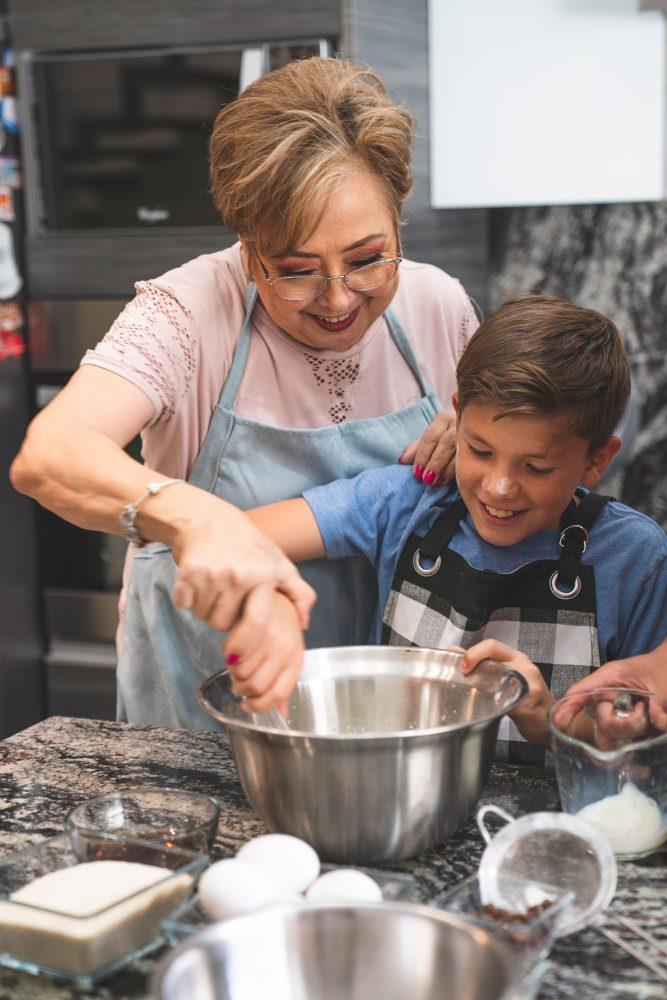
Grandma Could Make Dinner Without Going To The Store - These 10 Pantry Staples Were Why


Before grocery delivery apps and last-minute supermarket runs, many families relied on a well-stocked pantry to get dinner on the table. Grandma might not have had fresh ingredients for every recipe, but she usually had a few dependable staples that could become soup, casseroles, biscuits, or a filling meal with very little planning. These foods were affordable, lasted a long time when stored properly, and worked in dozens of familiar recipes. Keeping them on hand also meant fewer emergency trips to the store when money was tight or the weather turned bad. Here are 10 pantry staples that helped make old-fashioned home cooking so practical.
1. Dried BeansA bag of dried beans could help stretch a family's grocery budget for several meals. Pinto beans, navy beans, kidney beans, and black-eyed peas were useful ingredients for soups, stews, chili, and simple dinners served with cornbread. Although dried beans take longer to prepare than canned varieties, they can provide multiple servings from one inexpensive package. Grandma could start a pot early in the day and have a hearty meal ready by dinnertime.
Beans also worked well with whatever else happened to be available. A little onion, leftover ham, a piece of smoked meat, or a few seasonings could give a pot of beans plenty of flavor. Served over rice or alongside cornbread, they became a filling meal without requiring an expensive cut of meat. Dried beans stored in a cool, dry place could remain usable for a long time, although older beans may take longer to soften.
2. RiceRice was another dependable ingredient because it could turn a small amount of food into a meal that fed several people. A pot of rice could accompany beans, stretch a stew, or serve as the foundation for a simple casserole. White rice generally keeps well when stored in a sealed container away from moisture and pests. That made it useful for households that wanted ingredients available without worrying about immediate spoilage.
Leftover rice could also be put to work in another meal instead of being thrown away. Families could combine it with vegetables, eggs, broth, or leftover meat to create a different dinner from ingredients already in the kitchen. Rice pudding offered another way to use it, particularly when milk, sugar, and cinnamon were available. With a bag of rice in the cupboard, a cook had a versatile starting point for both savory meals and simple desserts.
3. FlourFlour gave Grandma the ability to make much more than bread. It could become biscuits, pancakes, dumplings, gravy, pie crust, or a simple batter for frying foods. Keeping flour on hand meant she could prepare a filling side dish or turn leftover ingredients into something that felt like a complete dinner. A few basic additions, such as water, salt, and a little fat, could be enough to start a simple recipe.
Flour was especially valuable because it appeared in so many everyday dishes. Biscuits could accompany beans or soup, while dumplings could make a pot of chicken stew more substantial. Flour also helped thicken gravies and sauces, making small amounts of meat and cooking liquid go further. Stored in an airtight container in a cool, dry location, it could remain useful for months, although whole-wheat flour generally has a shorter shelf life because its natural oils can go rancid.
4. PastaA box of spaghetti, macaroni, or egg noodles could rescue dinner when the refrigerator looked nearly empty. Pasta paired easily with canned tomatoes, butter, cheese, broth, or leftover vegetables, giving cooks plenty of ways to make a meal from basic ingredients. Dry pasta also required no refrigeration before cooking, which made it practical to keep several boxes in the cupboard. A simple pasta dinner could be prepared without a complicated recipe or a long list of ingredients.
Macaroni was particularly useful in casseroles, pasta salads, and inexpensive dishes with cheese or canned vegetables. Spaghetti could be served with a quick tomato sauce, while noodles could turn leftover chicken into a comforting soup. These meals were not always elaborate, but they were filling and adaptable. When the budget was stretched, a box of pasta could help provide dinner without requiring another trip to the grocery store.
5. Canned TomatoesCanned tomatoes made it possible to prepare tomato-based meals long after fresh tomatoes were out of season. Crushed tomatoes, diced tomatoes, and tomato sauce could become spaghetti sauce, soup, chili, or the base of a casserole. Because unopened cans generally have a long shelf life when stored properly, they were useful for keeping meal ingredients available year-round. A cook could open a can and build dinner around it using other staples already in the kitchen.
Tomatoes also brought moisture and flavor to dishes that might otherwise feel plain. Combined with pasta, beans, rice, or inexpensive vegetables, they helped create meals that tasted more complete. A can of tomatoes, an onion, and a few seasonings could form the beginning of a simple sauce or stew. Keeping several cans in the pantry meant dinner did not depend on having fresh produce available every day.
6. Potatoes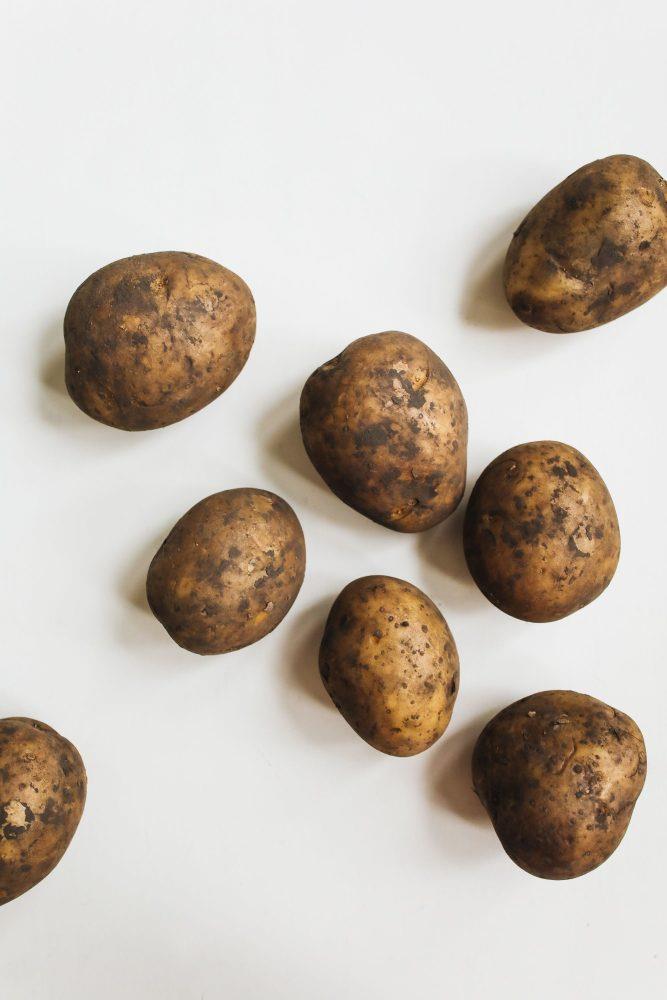
Potatoes were not technically a pantry staple in the same way as flour or dried pasta, but many households kept them in a cool, dark storage area as a dependable kitchen essential. They could become mashed potatoes, potato soup, hash, roasted potatoes, or a filling side dish for a small portion of meat. Their versatility made them especially useful when families needed to make a meal from inexpensive ingredients. A sack of potatoes could contribute to several different dinners.
They also worked with other leftovers that might not have been enough for a meal on their own. Chopped cooked meat, onions, and potatoes could become a skillet dinner, while leftover mashed potatoes could be used in another dish. Proper storage mattered, though: potatoes should be kept in a cool, dark, well-ventilated place and checked regularly for spoilage. They should not be stored beside onions if you want both to last as long as possible.
7. OnionsOnions were one of those ingredients that could make a simple meal taste as though it had taken much more effort. They added flavor to beans, soups, gravies, casseroles, and skillet dinners, and they could be cooked alongside inexpensive cuts of meat to build a flavorful base. Many varieties keep reasonably well when stored whole in a cool, dry, ventilated area. Having onions available meant Grandma could add flavor without depending on prepared sauces or specialty ingredients.
They were also useful because a single onion could be divided among several recipes. A little chopped onion could season a pot of beans, while another portion could be cooked into gravy or added to potatoes. When combined with flour, broth, or canned tomatoes, onions helped turn basic ingredients into recognizable home-cooked meals. They were a small purchase that could improve many dinners throughout the week.
8. OatsOats were often associated with breakfast, but their usefulness extended beyond a morning bowl of oatmeal. They could be added to meatloaf as a binder, used in simple cookies, or combined with flour and other ingredients for homemade baked goods. A container of oats could provide several meals or snacks at a relatively low cost. Since dry oats store well in a sealed container, they were easy to keep available for everyday cooking.
Oats also offered another way to stretch ingredients without buying more meat or specialty products. In meatloaf, they helped hold the mixture together, while oatmeal cookies turned a few basic baking ingredients into a homemade treat. They could also be cooked into a warm, inexpensive supper when the kitchen was short on options. For families trying to avoid waste, oats were a versatile staple rather than an ingredient reserved for breakfast alone.
9. Canned Soup and BrothCanned soup could serve as a meal on its own, but it was also a useful shortcut for making other dishes. Cream soups often appeared in casseroles, while broth helped form the base of soups, gravies, and rice dishes. These products reduced the amount of preparation needed when dinner had to come together quickly. Unopened shelf-stable cans and cartons could be kept in the pantry until needed, provided the package remained intact and was stored properly.
Broth was especially helpful for using up leftover ingredients. A little cooked chicken, some noodles, rice, or vegetables could become a simple soup instead of going to waste. Canned cream soup could help bind a casserole made with potatoes, vegetables, or leftover meat. These shortcuts were not necessary for every recipe, but they made it easier to create a warm, filling dinner without starting completely from scratch.
10. Canned TunaCanned tuna was a convenient source of protein that did not require refrigeration before opening. It could become tuna salad, tuna casserole, or a quick meal served with crackers, bread, or pasta. Keeping a few cans available meant there was an option for dinner even when fresh meat was unavailable or too expensive. It was especially useful for households that wanted a shelf-stable ingredient that could be prepared in several ways.
Tuna casserole was a classic example of making pantry ingredients work together. Pasta, canned tuna, and a creamy sauce could form the foundation, with vegetables or a crunchy topping added when available. Tuna salad could also be prepared with mayonnaise and served on bread for a simple lunch or supper. It was not fancy cooking, but it helped families turn inexpensive, easy-to-store ingredients into a practical meal.
The Secret Was Keeping Ingredients That Worked TogetherGrandma did not necessarily need a cupboard full of specialty foods to make dinner. A few dependable staples could be combined in different ways, allowing beans to become a hearty supper, flour to become biscuits, and canned tomatoes to become sauce. The strategy was less about having every ingredient for a specific recipe and more about keeping enough basics on hand to improvise. That approach also made it easier to use leftovers rather than letting food go to waste.
A practical pantry today can follow the same idea without requiring anyone to cook exactly as previous generations did. Keep dry goods sealed and away from heat and moisture, rotate older packages to the front, and check expiration and quality guidance before using stored foods. Add a few ingredients your household actually enjoys, and build meals around combinations that are easy to repeat. With the right staples available, you may find that a grocery trip isn't necessary every time dinner needs to be figured out.
What To Read NextLaundry Experts Say to Avoid This Hack Your Grandma Always Used
Grocery Chains Are Repricing Family Packs After the Holidays
The Pantry Reset: How to Turn the Food You Already Bought Into a Week of Meals
How to Check Whether a Recall Applies to the Exact Item in Your Pantry
The“Eat the Pantry” Challenge Saving Families Hundreds

Legal Disclaimer:
MENAFN provides the
information “as is” without warranty of any kind. We do not accept
any responsibility or liability for the accuracy, content, images,
videos, licenses, completeness, legality, or reliability of the information
contained in this article. If you have any complaints or copyright
issues related to this article, kindly contact the provider above.


Comments
No comment