


Perspective: The Line Between Journalists And Creators Is Blurring. PR Must Catch Up.


For a big share of Americans, creators are becoming the main place where politics gets explained, argued over and, eventually, decided. More than half (52%) of people who follow creators' election content each week say it has influenced their view of a candidate, an issue or the election itself.
This is a huge pivot for the media industry. For decades, newspapers and broadcasters largely shaped how we understood what was happening in the world. A lot of that influence is now moving to creators. The line between journalists and creators is blurring, but have communicators caught up to the“new media”?
Creators are becoming their own media
This shift has been building for several years, driven in part by creators' ability to fill gaps in traditional news coverage and make political information more accessible and engaging. Among people who follow creators' election content weekly, 47% say creators cover topics and perspectives they can't find in traditional news. Another 39% find them more engaging and relatable, and 37% say creators explain complicated issues more clearly.
Trust is shifting, too, as audiences increasingly see creators as credible sources of political information. Among regular viewers, 36% trust creators and traditional media equally, 34% trust creators more and 30% trust traditional news more. In other words, creators have largely caught up with established outlets, not necessarily by replacing traditional journalism, but by offering something audiences feel they're missing elsewhere.
And the line is moving from both directions. Award-winning journalists are building their own followings. Marc Istook, a seven-time regional Emmy winner, spent nearly 30 years in traditional media before moving into creator-led journalism. He brought his newsroom habits with him: he states his sources clearly and keeps his opinions separate from the facts. At the same time, creators who never worked in a newsroom are starting to pick up those same habits.
The dependence runs both ways. Creators who cover the news build a lot of what they say on original reporting: the interviews, documents and verified facts that newsrooms produce. And creators bring younger audiences back to that reporting. The Reuters Institute's 2026 Digital News Report found that most people who get news from creators use them alongside traditional media, and actually consume more traditional media than average.
What this means for audiences
On social media, it's much easier to post information that hasn't been checked. A newspaper story goes through layers of verification before it runs. A creator's video can go up in minutes.
Audiences seem to know this. More than half (54%) of regular viewers say they always or often double-check election information from creators against other sources. But plenty of people are struggling. Across all U.S. adults, 28% say they've become less sure about what to trust. Among people who see election content on social media, 37% say it has left them feeling no more informed about the issues than before.
Part of the problem is how the platforms work. They tend to reward whoever is loudest, and the loudest voices aren't always the most careful ones. That's why some newsrooms should be doing more to share their reporting tools with creators directly. Leading the way, The Recount built a Creator Voter Guide that shows creators what candidates are actually saying on the issues, based on the same research its own reporters use.
How to pick the creators you work with
If creators are becoming media, communicators need a way to tell the careful ones from the loud ones. A few simple questions go a long way:
-
Do they show their sources? The best creators make it easy for their audience to check where the information came from.
Are they giving you information, or trying to make you feel a certain way? Content built mainly to make people angry or anxious is a warning sign. It's worth slowing down there.
Do other credible voices back up what they're saying? If a creator's claims line up with reporting elsewhere, that's a good sign.
How do they handle a fast-moving story? News changes quickly. The creators worth working with update their audience when the facts change, and they correct their mistakes in the open.
-
What kind of creator are they? Some are journalists who went independent. Others are subject-matter experts who back up what they say with data. Both can be valuable partners, as long as the work holds up.
What you should be doing differently
A lot of PR professionals still treat the outlet's name as the signal of credibility and the placement as the finish line. As creators become media in their own right, three things change.
The first is how you see creators. A creator explaining the news to a large, loyal audience can carry as much weight as a newspaper story, and sometimes more. That means judging a voice by how someone works, wherever that work is published.
The second is how you build relationships with creators. If a creator regularly covers your industry, you should be treating them with the same consideration as a beat reporter, offering access to data, documents and spokespeople. A newsroom story is also now the starting point for creator explanations that can reach far more people than the original. Plan for that second life from day one, so the facts hold up every time the story gets retold.
The third is where the brand shows up. Social media and PR used to sit in separate teams with separate goals. A brand's presence on social media now sits somewhere between the two, shaped by earned coverage and by the creators who talk about it. Communications teams should plan them together.
For communicators, this is good news. There are more places to show up and more ways to get a brand's story in front of the people who matter to it. And the audience that wants to feel informed without feeling overwhelmed is large and growing.
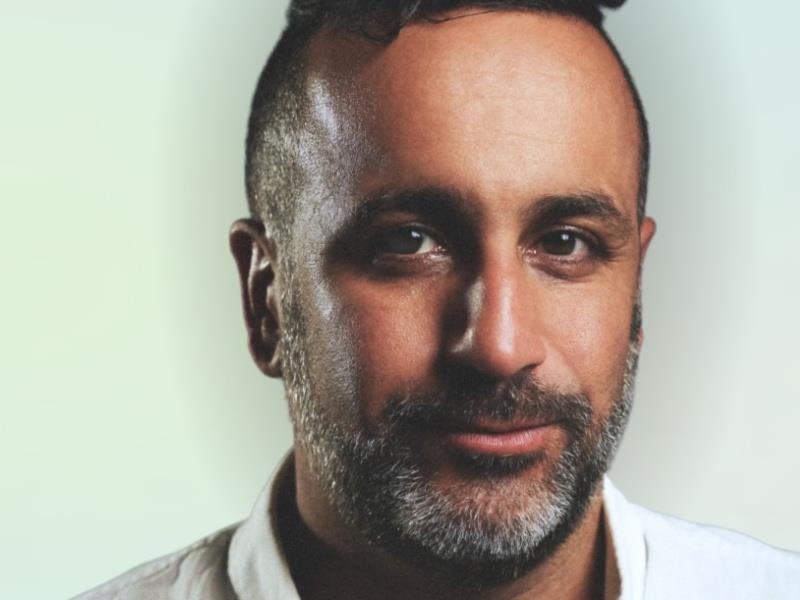
Ramin Beheshti is CEO and co-founder of Caliber, the social-first media company behind The News Movement, The Recount and SaySo.
Note: This article reflects the views of the author and is published as part of PRovoke Media's opinion section. It does not necessarily represent the views of PRovoke Media or its editorial team. We welcome a range of perspectives and invite readers to submit thoughtful responses or counterpoints for consideration to [email protected].

Legal Disclaimer:
MENAFN provides the
information “as is” without warranty of any kind. We do not accept
any responsibility or liability for the accuracy, content, images,
videos, licenses, completeness, legality, or reliability of the information
contained in this article. If you have any complaints or copyright
issues related to this article, kindly contact the provider above.


Comments
No comment