


Commentary: El Niño Threatens Not Only Marine Ecosystems But Also Strains Global Economy


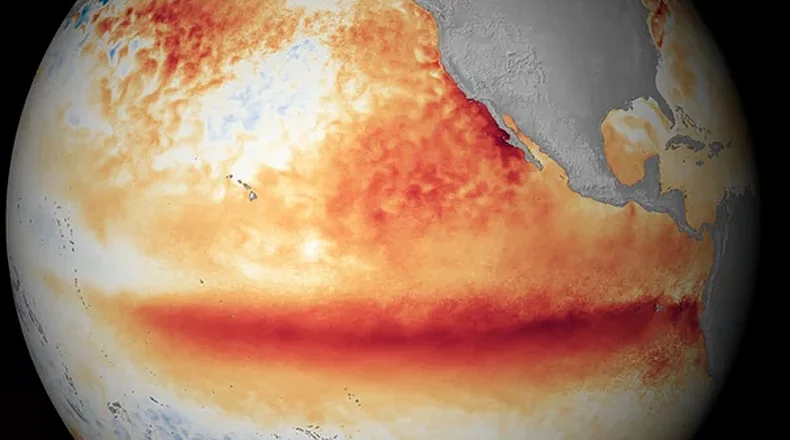
El Niño is often described as a small disturbance in the Pacific Ocean, yet its effects ripple across the entire planet with remarkable force. The phenomenon begins when sea surface temperatures in the equatorial Pacific rise by about 1 to 3°C above their long‐term average, and in exceptional years-such as 1982–1983, 1997–1998, and 2015–2016-temperatures surged beyond 3.5°C.
Recommended For YouThis year, the Niño 3.4 region recorded anomalies between 1.2 and 1.8°C, occasionally exceeding 2°C, placing it among the more active El Niño years of recent decades.
Stay up to date with the latest news. Follow KT on WhatsApp Channels.
As the Pacific warms, the weakening of trade winds allows warm waters to spread eastward, reducing the upwelling of cold, nutrient‐rich water and disrupting marine ecosystems.
One of the most visible consequences is coral bleaching, a stress response in which corals expel the symbiotic algae that give them color and energy. When water temperatures rise beyond tolerance thresholds, corals turn white and become vulnerable to death.
In some regions this year, bleaching affected more than 40 per cent of coral cover, underscoring the sensitivity of marine life to even slight thermal shifts.
More intense summerWith ocean temperatures rising sharply this year due to El Niño, the phenomenon's influence extended far beyond the Pacific, altering seasonal patterns in regions as distant as the Arabian Gulf and Europe.
The record‐level warming delayed the breakdown of heat waves, resulting in a longer and more intense summer across Gulf countries, where sea temperatures exceeded 33°C in some months and land temperatures remained unusually high, pushing the onset of autumn further than usual.
Europe experienced a similar shift, with the arrival of autumn noticeably delayed as warm air masses persisted longer due to El Niño‐related changes in the jet stream, keeping temperatures above average well into September and October.
These shifts in seasonal timing demonstrate how El Niño reshapes global climate not only through rainfall and wind anomalies but also by prolonging warm seasons and delaying cooler ones in regions geographically far from the core of the phenomenon.
Strain on economyThe economic consequences are equally significant. Warmer oceans and shifting wind patterns affect shipping routes, increase marine insurance costs by 8–12 per cent, and lengthen transit times.
Agricultural output in El Niño‐affected regions often declines, with reductions of 5–10 per cent in staple crops such as rice, wheat, and maize, contributing to global food price increases.
Energy markets also feel the strain, as heatwaves drive higher electricity demand and extreme weather threatens production and transport infrastructure.
In the Gulf region, El Niño's influence is indirect but noticeable. The already warm waters of the Arabian Gulf become even hotter, with summer averages exceeding 33°C in some months. This intensifies humidity and heat stress, raising electricity demand for cooling by around 6 per cent in the UAE compared to non‐El Niño years.
Local marine ecosystems also feel the impact, with limited but observable coral bleaching in areas such as Fujairah and Khorfakkan. Rainfall patterns shift as well, with the UAE experiencing 10–20 per cent increases in winter precipitation during some El Niño years, followed by drier conditions during subsequent La Niña phases.
El Niño, despite originating from a relatively small patch of ocean, exerts a vast influence on climate, ecosystems, and global economic systems. Its effects underscore how interconnected the planet has become-and how essential it is for nations to understand and prepare for the climatic and economic shifts driven by this powerful natural phenomenon.
ALSO READ- Commentary: Climate resilience must put youth and health at the centre El Nino will intensify, then peak in December, UN says Philippines prepares for 'worst case scenario' as El Niño threatens country's rice supply

Legal Disclaimer:
MENAFN provides the
information “as is” without warranty of any kind. We do not accept
any responsibility or liability for the accuracy, content, images,
videos, licenses, completeness, legality, or reliability of the information
contained in this article. If you have any complaints or copyright
issues related to this article, kindly contact the provider above.


Comments
No comment