


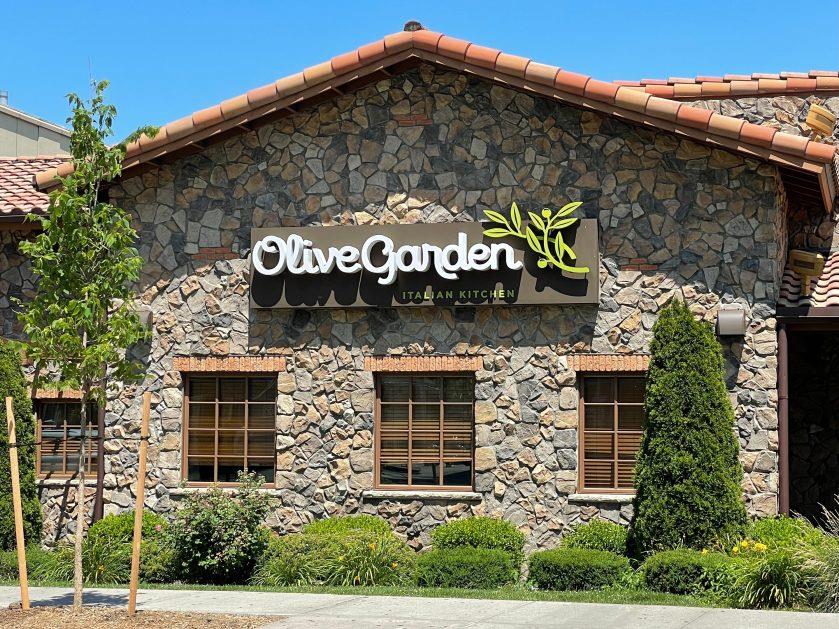
Former Olive Garden Employees Reveal 11 Things Customers Never See


Olive Garden is known for its unlimited breadsticks, generous pasta dishes, and servers who bring freshly grated cheese to the table. But what happens behind the scenes can look quite different from the relaxed dining experience customers enjoy. Former employees have shared stories about kitchen routines, restaurant policies, busy shifts, and the challenges of keeping popular dishes coming. Discussions on Reddit offer a mix of reassuring details, surprising revelations, and everyday frustrations, although practices can differ between locations. These 11 behind-the-scenes details offer a closer look at what customers may not notice during their next visit.
1. The Famous Cheese Grater Usually Doesn't Stay at Your TableThe hand-cranked cheese grater is part of the Olive Garden experience, and some customers enjoy watching their pasta disappear beneath a mountain of Parmesan or Romano cheese. However, employees discussing the practice on Reddit have explained that they generally cannot leave the grater behind after serving a table. Some mention limited supplies, while others point to concerns about theft, cleanliness, and workplace rules. The result is that servers typically control the grater rather than leaving it within reach.
That policy can disappoint diners who want to add cheese throughout their meal, but there are practical reasons for keeping shared equipment with the staff. A grater passed among tables needs to be handled and cleaned appropriately, and a limited number of graters can make it difficult to leave one at every table. If you want more cheese, ask your server.
2. The Pasta Is Cooked at the Restaurant, but Not Made From ScratchOne common misconception is that restaurant pasta must be handmade to be considered freshly prepared. Former Olive Garden employees on Reddit have described using dried pasta that arrives at the restaurant and is cooked in the kitchen. That is different from making pasta dough from scratch, but it does not mean the noodles arrive fully cooked or that every dish is simply reheated. Kitchen workers have also described preparing pasta in advance for service, following restaurant procedures designed to keep orders moving.
The distinction matters because online discussions sometimes confuse factory-made ingredients with completely prepared meals. A restaurant can use commercially produced pasta while still cooking it on-site and combining it with other ingredients during service. Employee accounts also vary on preparation schedules and specific procedures. Rather than assuming every Olive Garden handles pasta identically, it is more accurate to recognize that large restaurant chains use standardized ingredients and kitchen routines to serve many customers consistently.
3. Many Soups and Sauces Are Prepared in BatchesSome diners assume that a bowl of soup or Alfredo sauce is made from scratch only when they place an order. Former kitchen employees have described a different process: soups and sauces are prepared in batches, often earlier in the day, then stored and reheated according to restaurant procedures. Online discussions include workers describing daily soup preparation and Alfredo sauce being made multiple times a day. Preparing batches helps the kitchen serve meals faster when the dining room gets busy.
4. The Breadsticks Are a Constant Kitchen TaskUnlimited breadsticks are one of Olive Garden's biggest draws, but keeping them available requires regular work behind the scenes. Employees have described baking breadsticks in repeated batches, brushing them with a buttery topping, and adding garlic seasoning before sending them to the dining room. Servers must then keep track of which tables need more, sometimes while handling drink refills, new orders, and other requests. What looks like an effortless stream of warm bread to customers can become another demanding task during a busy shift.
The process also helps explain why breadstick quality may vary from one visit to another. Breadsticks coming out of the oven can have a different texture from those that have been sitting in a warmer, especially when the restaurant is busy. If your breadsticks arrive cooler or less fresh than expected, politely asking for a fresh batch is reasonable. Employees are working to keep up with demand, and a simple request is usually more helpful than assuming the kitchen is deliberately serving poor-quality food.
5. Unlimited Soup, Salad, and Breadsticks Can Be Hard on ServersThe Never-Ending Soup or Salad and Breadsticks offering is attractive to customers looking for a filling meal at a predictable price. But former servers have described the amount of work involved in repeatedly refilling bowls, replenishing bread, and responding to requests while managing other tables. In a Reddit discussion about leaving Olive Garden, one former server said the refill expectations had become a source of workplace pressure. Other employee discussions describe the challenge of serving customers who remain at a table for a long time while ordering relatively little else.
That does not mean customers should feel guilty about using a promotion as advertised. The restaurant offers the deal, and requesting refills is part of the experience. The difference is between enjoying the offer and treating employees poorly because you expect constant attention. Being patient when a restaurant is crowded, asking politely for refills, and recognizing that servers may be managing several tables can improve the experience for everyone.
6. Employees May Have More Food Knowledge Than Customers ExpectFormer employees have described training that involves learning menu items, ingredients, and the restaurant's service routines. Servers need to understand the menu well enough to answer questions, enter orders correctly, and communicate requests to the kitchen. Depending on the role and location, training may also include tasting menu items or learning how dishes are assembled. This behind-the-scenes knowledge can help explain why an experienced server may offer useful suggestions when a customer is deciding between several meals.
However, servers do not necessarily know every detail about every ingredient or preparation method. Restaurant menus change, limited-time dishes appear, and customers may have specific allergy or dietary questions that require confirmation. If you have an allergy, tell your server clearly and ask for the restaurant's current allergen information rather than relying on a casual recommendation. Employees can help guide the conversation, but food safety requires accurate information from the restaurant.
7. Desserts and Some Appetizers May Arrive FrozenCustomers sometimes assume that every item on a restaurant menu is prepared entirely from scratch in the kitchen. Employee accounts suggest that Olive Garden, like many large chains, uses frozen components for certain appetizers and desserts. Some workers have described items arriving frozen and being prepared or finished at the restaurant before service. That approach allows restaurants to maintain consistent portions and offer a broad menu without requiring every component to be produced from scratch at each location.
Using frozen ingredients does not automatically make a dish unsafe or low quality. Freezing is a standard food-storage method, and the final result depends on the ingredients, handling, and preparation. The important distinction is between a frozen component that is properly prepared and a fully cooked meal simply being reheated. Employee accounts differ about particular menu items, so it is best not to assume every appetizer follows the same process. Customers curious about a specific dish can ask the restaurant how it is prepared.
8. Large Parties Can Make Table Service More ComplicatedA table of eight or more guests may look like one large order from the customer's perspective, but it can require considerable coordination behind the scenes. Former Olive Garden servers have described splitting large parties between multiple employees at some locations, which can complicate communication and the division of tips. Servers may need to coordinate separate orders, track individual requests, and make sure food arrives together. When guests split checks or change orders repeatedly, the process can become even more demanding.
Restaurant policies for large parties vary, so one location's approach should not be treated as a universal rule. Customers can help by deciding how they want to handle the bill early, communicating dietary restrictions clearly, and avoiding several simultaneous changes after the order has been entered. None of this means large groups are unwelcome. It simply explains why a large table may take more coordination than a smaller party, even when the staff is experienced.
9. Servers May Be Evaluated on More Than Customer SatisfactionA pleasant dining experience is only one part of a server's job. In a September 2025 Reddit discussion about leaving Olive Garden, a former server described pressure related to refill scores and customer surveys, saying the expectations had become a reason to leave. Other workers have discussed the challenges of balancing restaurant standards, table turnover, and customer feedback. These accounts suggest that employees can face performance expectations that diners never see.
The details of performance reviews and management practices can differ across locations and over time. Still, the broader point applies to many restaurants: servers may be judged on factors beyond whether a guest enjoyed dinner. If a server reminds you about a survey, that request may reflect workplace expectations rather than a personal desire for praise. Customers can provide honest feedback, but it helps to distinguish an employee's service from problems involving kitchen delays, staffing, or restaurant policies outside that person's control.
10. Employees Appreciate Regular Customers Who Treat Them WellBehind-the-scenes stories are not all complaints. Former Olive Garden hosts and servers have described how rewarding it can be to recognize regular customers, remember their preferences, and build a friendly relationship over time. A familiar guest who is patient and respectful can make a demanding shift more enjoyable. Employees may remember preferred seating, favorite orders, or a customer's usual drink, creating a more personal experience than a one-time visit might offer.
Being a good regular does not require spending a fortune or leaving an unusually large tip. Greeting employees politely, communicating clearly, and treating staff members with respect can go a long way. Restaurant workers are handling many responsibilities at once, and small gestures of patience can make their jobs easier. These positive accounts are a useful reminder that the employee experience depends on more than the food and the restaurant's policies; customers also help shape the atmosphere.
11. A Busy Dining Room Requires a Lot of CoordinationCustomers see servers carrying plates, hosts managing seating, and food arriving at tables, but they rarely see the full chain of tasks connecting those moments. Kitchen staff must prepare orders, coordinate timing, manage ingredients, and communicate with servers when something is delayed or unavailable. Hosts balance incoming parties with available tables, while servers juggle multiple orders and requests. Even a small delay in one part of the process can affect several tables at once.
Former employees have described the pressure of busy dinner shifts, holidays, and crowded dining rooms, where teamwork can determine whether service runs smoothly. That doesn't excuse mistakes or poor service, but it helps explain why a restaurant may occasionally fall behind even when employees work hard. If something goes wrong, a calm, specific explanation gives the staff a better chance to resolve it. The dining experience may look simple from the table, but a great deal of coordination happens before the food reaches you.
What To Read NextOlive Garden's Breadsticks Are Unlimited - But What Happens to the Ones Nobody Eats?
Fast Food Isn't Cheap Anymore - 7 Sit-Down Restaurant Deals That Can Cost Less
Why You Should Never Eat at These 5 Chain Restaurants on Valentine's Day
10 Store-Bought Sauces That Taste Exactly Like Their Famous Restaurant Versions
10 Restaurant Chains That Switched to Cheaper Ingredients

Legal Disclaimer:
MENAFN provides the
information “as is” without warranty of any kind. We do not accept
any responsibility or liability for the accuracy, content, images,
videos, licenses, completeness, legality, or reliability of the information
contained in this article. If you have any complaints or copyright
issues related to this article, kindly contact the provider above.


Comments
No comment