


Check Your Pantry: These 10 Foods May Belong In The Refrigerator


A bottle of ketchup beside the stove or hot sauce tucked into a pantry cabinet might seem perfectly normal. But some everyday foods have storage instructions that change once you open them, and others benefit from refrigeration even when it isn't strictly necessary. The confusion often comes from the difference between keeping food safe and preserving its flavor and quality. Before you organize your kitchen, check these 10 common items to see which ones belong in the refrigerator, which can stay in the pantry, and why the label matters.
1. KetchupKetchup is one of the biggest sources of kitchen storage debates. Some households refrigerate every bottle immediately after opening, while others leave it beside the salt and pepper. Commercial ketchup is acidic, which helps limit microbial growth, but manufacturers commonly recommend refrigeration after opening to preserve its quality. The USDA recommends using opened ketchup within six months when refrigerated.
Restaurant ketchup bottles aren't necessarily proof that yours can live on the counter. Restaurants may go through condiments much faster, and their handling practices differ from those in a home kitchen. Check your bottle's directions, refrigerate it when instructed, and wipe the opening clean to avoid dried sauce and food residue.
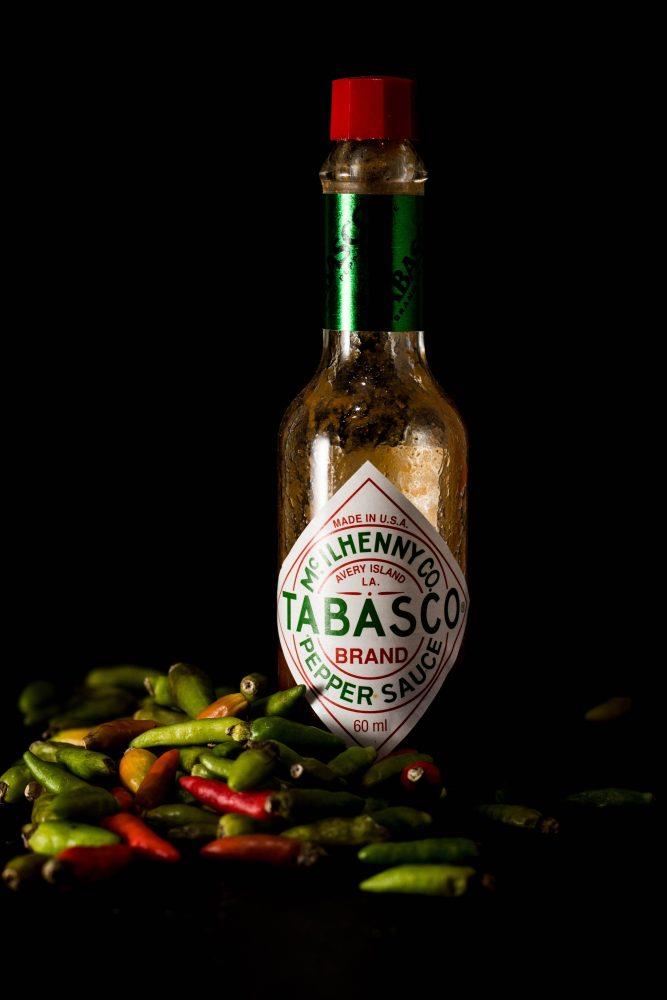
2. Hot SauceHot sauce might seem like an obvious pantry item because vinegar, salt, and chili peppers help wide varieties keep well. But not every bottle has the same ingredients or storage instructions. Some manufacturers recommend refrigeration after opening, while others say a cool, dry pantry is sufficient. The label on your specific brand is more useful than a blanket rule about all hot sauces.
Even when refrigeration isn't required for safety, it can help preserve a sauce's color and flavor for longer. Heat, light, and time can gradually dull the bright taste of chili peppers. If you keep several specialty sauces that take months to finish, refrigeration may help them taste better for longer.
3. MustardYellow mustard often stays on restaurant tables, so many people assume every variety belongs in the pantry. Plain mustard is generally acidic enough to remain stable for a while after opening, and refrigeration is often more about maintaining quality than preventing immediate spoilage. Still, many labels recommend refrigerating the bottle after opening.
Specialty varieties deserve extra attention. Dijon, whole-grain, honey, and fruit-flavored mustards can have different ingredients and manufacturer recommendations. Cold storage can help preserve their flavor, particularly when a jar sits in the refrigerator for months. Follow the directions on your bottle rather than assuming that all mustard is interchangeable.
4. Soy SauceSoy sauce is another condiment that divides home cooks. Its salt content helps preserve it, so many people keep an opened bottle in a kitchen cabinet without noticing an obvious problem. However, some manufacturers recommend refrigeration after opening to help maintain the sauce's flavor and freshness, especially for varieties that are less heavily processed.
If you use soy sauce nearly every day, a pantry bottle may be convenient, depending on its label. If it takes you months to finish one, refrigeration can help protect its flavor over time. Check the manufacturer's directions because regular soy sauce, reduced-sodium versions, and other soy-based sauces may have different recommendations.
5. Maple SyrupUnopened, commercially packaged maple syrup can generally stay in the pantry when the package is designed for shelf storage. Once opened, however, many brands instruct consumers to refrigerate it. Pure maple syrup contains plenty of sugar, but that doesn't make it immune to mold or other quality problems after exposure to air and repeated use.
The confusion often starts because pancake syrup and pure maple syrup aren't necessarily the same product. Their ingredients and storage directions can differ. Read the bottle rather than relying on its appearance, and refrigerate opened syrup when directed. If you discover mold, don't simply scrape it off and keep using the syrup; discard it.
6. Natural Peanut ButterTraditional commercial peanut butter often stays in the pantry, but natural peanut butter can be a different story. Some varieties contain little beyond peanuts and salt, allowing the oil to separate naturally. Manufacturers may recommen refrigeration after opening to slow oil separation and help maintain freshness, although not every natural peanut butter requires it.
Cold peanut butter becomes firmer and can be harder to spread, which explains why some people prefer leaving it in a cupboard. The right choice depends on the product's label and how quickly you use it. If refrigeration is recommended, plan to let the jar sit briefly before making a sandwich rather than ignoring the storage directions.
7. Jam and JellyJam and jelly can sit unopened on grocery store shelves, but that doesn't mean an opened jar should return to the pantry. Commercial products commonly instruct consumers to refrigerate them after opening. Fruit, sugar, and acidity help preserve these spreads, but introducing crumbs, dirty utensils, or other contaminants can shorten their useful life.
Refrigeration helps preserve quality and slows spoilage, especially when a jar takes weeks or months to finish. Always use a clean utensil instead of spreading directly from the jar and returning the knife with crumbs. If you notice mold, discard the entire jar rather than scooping away the visible spot.
8. SalsaUnopened shelf-stable salsa is usually sold in jars or containers that can be stored in the pantry until opened. After opening, commercial salsa generally needs refrigeration, and its recommended storage period can be much shorter than people expect. Fresh refrigerated salsa is different again, so check whether the product was sold in the refrigerated section.
Salsa can contain tomatoes, peppers, onions, and other ingredients that make it easy to treat like a durable condiment. But once opened, it can be exposed to bacteria through utensils, dipping chips, and repeated handling. Keep it chilled between servings, use a clean spoon, and follow the package's instructions for how long it should be kept.
9. Salad DressingBottled salad dressing may spend months on a grocery store shelf before anyone buys it. After opening, many varieties need refrigeration, including numerous oil-and-vinegar blends and creamy dressings. The exact directions depend on the ingredients and how the product is processed, so don't assume that an acidic taste means a bottle can safely remain at room temperature.
Creamy dressings are particularly easy to overlook because people may leave them on the table during a meal and put them away much later. Return refrigerated dressings to the fridge promptly, and avoid leaving them out for more than two hours, or one hour when temperatures exceed 90 degrees Fahrenheit. Discard products that have been left out too long.
10. Barbecue SauceBarbecue sauce often sits in a pantry beside ketchup, especially when people buy large bottles for grilling season. Yet many commercial brands recommend refrigeration after opening. The combination of sugar, acidity, and seasonings helps with preservation, but it doesn't mean every opened sauce will maintain its best quality indefinitely at room temperature.
The bottle's instructions matter even more when sauces contain additional ingredients or have been used to brush raw meat. Never return sauce that touched raw meat to the bottle, and don't reuse contaminated marinade without following safe cooking guidance. Keep the original bottle refrigerated when directed, and use it within the manufacturer's recommended period.
Read the Label Before You Rearrange Your KitchenThe best storage rule isn't that every condiment belongs in the refrigerator or that every acidic sauce can stay in the pantry. It's to distinguish between unopened and opened products, read the manufacturer's directions, and understand whether refrigeration is recommended for safety, freshness, or both. A food's ability to sit on a grocery store shelf doesn't automatically tell you what to do after breaking the seal.
For refrigerated products, keep your refrigerator at 40 degrees Fahrenheit or below and put foods away promptly after use. Don't rely on smell or appearance alone to decide whether something is safe. Proper storage helps protect food quality, reduce waste, and lower the risk of foodborne illness, making a quick label check worth the effort.
What To Read NextThe Pantry Reset: How to Turn the Food You Already Bought Into a Week of Meals
How to Price Essential Pantry Staples Before Storm Season Begins
The“Eat the Pantry” Challenge Saving Families Hundreds
10 Pantry Staples That Have Nearly Doubled in Price Since 2020
The Hidden Threat in Your Pantry Why the FDA Is Recalling Ground Cinnamon

Legal Disclaimer:
MENAFN provides the
information “as is” without warranty of any kind. We do not accept
any responsibility or liability for the accuracy, content, images,
videos, licenses, completeness, legality, or reliability of the information
contained in this article. If you have any complaints or copyright
issues related to this article, kindly contact the provider above.


Comments
No comment