


China Next-Gen Solar Tech Curb To Impact Spacex AI Computing Plan


The ban, which covers production technology for perovskite and tandem solar cell modules, is part of a proposal by China's Ministry of Commerce and Ministry of Science and Technology to control exports of 40 technologies in artificial intelligence, biomedicine and solar manufacturing. Fourteen would face outright bans, while 26 would require licenses. Products made with the controlled technologies could still be exported. The public can comment until November 15.
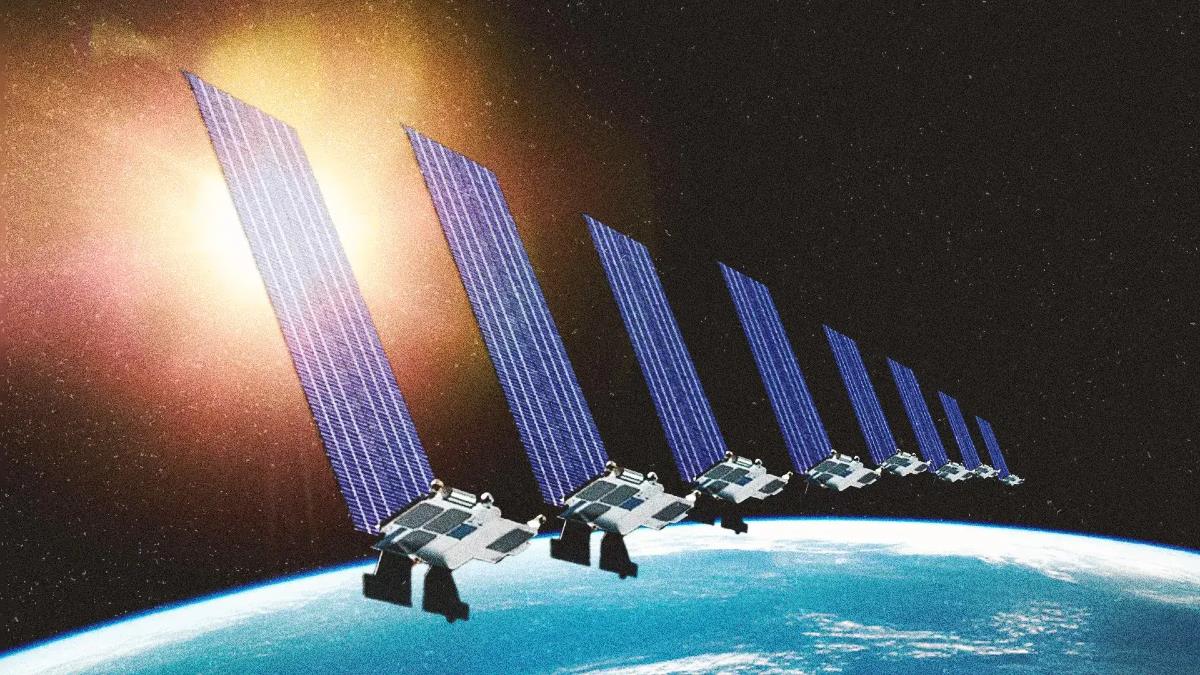
Musk said on a Tesla earnings call in late January that the company would work toward producing 100 gigawatts of solar cells a year in the US. Media reports said part of that capacity would power SpaceX satellites.
Perovskite cells, often stacked on silicon in tandem designs, are efficient, light and flexible. On Earth, they degrade quickly when exposed to moisture and oxygen, but space has almost none of either. The cells can also heal themselves after radiation damage, making them a leading option for satellites.
Besides perovskite and tandem cell module production technology, the 14 technologies proposed for a ban include AI-driven malicious code generation and mutation, and proprietary cell and gene therapy process platforms. Those requiring a license include AI-assisted vulnerability discovery and engineering technology for polysilicon lines with an annual capacity of 30,000 tons or more.
The 40 technologies span three fields:
-
In AI, 23 technologies related to large models, AI agents, computing clusters and information processing would be covered. Technologies already in the public domain through open-source releases or academic papers would be exempt.
In biomedicine, five technologies related to cell and gene therapy, small nucleic acid drugs and pathogenic microorganisms would be covered. Outbound licensing deals that do not involve a transfer of ownership would qualify for automatic licenses and other facilitation measures.
In solar, 12 technologies related to polysilicon, wafer and cell manufacturing would be covered. The controls would also extend to the key and core equipment that carries these technologies.
“In recent years, AI, biomedical and solar technologies have been increasingly applied in sensitive fields, and all major economies have imposed export controls to varying degrees. China has drawn on common international practice and imposed necessary controls in accordance with the law,” said a spokesperson for the Ministry of Commerce.
“The aim is to guard against the risks of technology getting out of control and spreading improperly, while safeguarding normal international technology exchanges and cooperation. This will help ensure that science and technology remain a force for good that is safe, controllable and beneficial to humanity,” he said.

Legal Disclaimer:
MENAFN provides the
information “as is” without warranty of any kind. We do not accept
any responsibility or liability for the accuracy, content, images,
videos, licenses, completeness, legality, or reliability of the information
contained in this article. If you have any complaints or copyright
issues related to this article, kindly contact the provider above.


Comments
No comment