


8 Things You Should Never Throw Away Because They Can Expose Your Entire Identity


The Federal Trade Commission (FTC) recommends securely disposing of documents containing sensitive personal or financial information once they're no longer needed. For retirees and anyone managing household finances, protecting those records can help prevent fraudulent accounts, unauthorized transactions, and expensive identity theft headaches.
Here are eight things you should never throw away without taking precautions.
1. Bank Statements and Financial RecordsOld bank statements might seem harmless once you've checked your balance, but they can reveal account numbers, transaction details, and information about where you keep your money. A criminal who obtains those details could use them to create convincing impersonation attempts or combine them with other stolen information to commit fraud. Imagine receiving a phone call from someone claiming to represent your bank who already knows several details about your account activity.
The FTC generally recommends keeping bank statements for a year, although electronic access may eliminate the need to retain paper copies unless they're required for taxes or another purpose. When you're ready to dispose of them, use a cross-cut shredder or a secure document destruction service rather than putting them directly into household recycling.
2. Pre-Approved Credit Card OffersThose envelopes announcing that you've been pre-approved for a credit card deserve more attention than ordinary junk mail. According to the FTC's guidance on prescreened credit offers, these promotions are often generated using information from consumer credit reports. While receiving an offer doesn't mean someone can automatically open an account in your name, discarded applications containing personal information could contribute to identity theft attempts.
Shred unwanted offers, particularly those containing identifying details or personalized application information, instead of leaving them intact in the trash. You can also reduce future offers through OptOutPrescreen or by calling 1-888-567-8688, potentially cutting down on unwanted mail and opportunities for your information to be exposed.
3. Old Tax Returns and W-2 FormsTax documents are especially sensitive because they can contain Social Security numbers, addresses, employer information, income details, and other financial records. Someone who obtains enough of that information could attempt tax-related identity theft, including filing a fraudulent return using another person's identity.
The Internal Revenue Service recommends retaining records supporting a tax return for at least three years, although some situations require six years, seven years, or longer. For example, records related to property purchases may need to be retained until after the property is sold and the applicable tax limitations period expires. Before discarding old tax files, confirm that you no longer need them for tax, legal, or financial purposes, and then securely shred documents containing sensitive information.
4. Medical Bills and Insurance StatementsMedical bills and insurance paperwork can reveal considerably more than your name and address. These documents may contain Medicare numbers, insurance identification numbers, treatment information, and details about healthcare providers you've visited. The FTC warns that stolen medical or insurance information can be used in identity theft schemes, potentially creating fraudulent charges or inaccurate medical records.
For example, someone using another person's insurance information to obtain services could create billing disputes and complications that take time to resolve. Review medical statements for unfamiliar charges, retain records needed for disputes or taxes, and securely destroy unnecessary copies instead of tossing them into the trash.
5. Expired Driver's Licenses and Credit CardsAn expired driver's license or canceled credit card may no longer be valid for everyday use, but the identifying information printed on it can still be valuable to criminals. Old cards may display your name, account number, photograph, date of birth, or other details that could be misused alongside additional stolen information.
The FTC specifically recommends shredding expired credit cards, driver's licenses, and other identification when they are no longer needed. For plastic cards, use a shredder designed for that material or follow the issuer's secure disposal instructions, particularly for metal cards. Passports and other government identification may have different retention or disposal requirements, so check the issuing agency's guidance before destroying them.
6. Shipping Labels and Delivery PackagingOnline shopping has made shipping labels a routine part of household waste, but those labels can reveal information worth protecting. A discarded package may display your full name, home address, phone number, tracking information, or details about the retailer where you shop. That information alone generally isn't enough to steal someone's entire identity, but it could help a scammer create a more convincing delivery-related phishing message.
For example, someone who knows you recently received a package might send a fake shipping notification requesting payment for a supposed delivery problem. Before recycling boxes and padded envelopes, remove or thoroughly obscure labels containing personal information, especially when they include phone numbers or other identifying details.
7. Pay Stubs and Employment RecordsPay stubs contain a surprising amount of financial information, including earnings, employer details, deductions, and sometimes partial identification or banking information. These records can be particularly useful to criminals attempting to impersonate employees or construct convincing financial scams. Imagine someone contacting you while pretending to represent your former employer's payroll department and referencing information from an old pay statement.
The FTC generally suggests keeping pay stubs for a year, although you may need certain employment records longer for tax, benefits, or pension purposes. Once the documents are no longer necessary, shred them securely and avoid leaving old employment paperwork in unsecured storage areas or recycling bins.
8. Utility Bills and Everyday MailA monthly electric bill might not seem particularly sensitive, but it can reveal your address, account number, payment information, and relationship with a specific service provider. Criminals can potentially use those details to make impersonation attempts more believable, particularly when pretending to represent a utility company or debt collector. Consider a scammer who calls claiming your electricity will be disconnected unless you make an immediate payment and already knows your account details.
According to the FTC, most routine utility bills can generally be discarded after a year, assuming they're no longer needed for tax or other recordkeeping purposes. Before throwing them away, shred pages containing account information and keep any statements necessary to resolve billing disputes.
What Identity Theft Could Cost You FinanciallyThe consequences of identity theft can extend well beyond the inconvenience of replacing a stolen credit card. Someone dealing with fraudulent accounts may spend hours contacting financial institutions, disputing charges, correcting credit reports, and securing compromised information.
There can also be indirect financial consequences, including delayed loan applications, interrupted access to accounts, or missed work while resolving problems. Fortunately, consumers can place free credit freezes with Equifax, Experian, and TransUnion, which can make it harder for criminals to open new credit accounts in their names.
If you discover suspicious activity, the FTC's IdentityTheft provides recovery steps, while AnnualCreditReport offers free access to credit reports to help identify unfamiliar accounts.
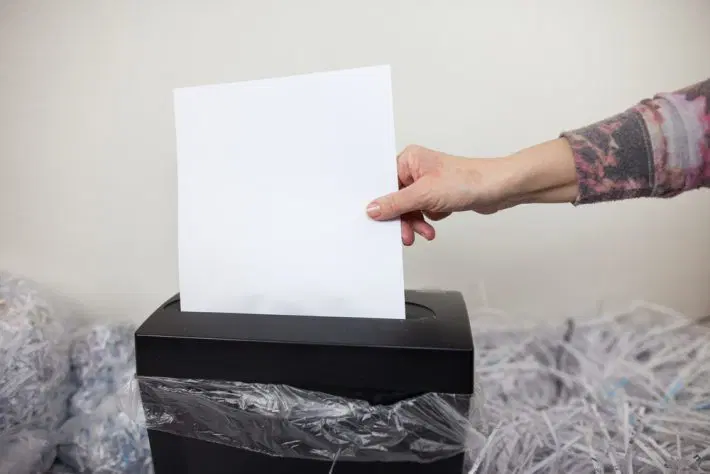
A Simple Shredding Habit Can Protect Your SavingsProtecting your identity doesn't require expensive monitoring subscriptions or complicated security systems. Start by keeping a designated folder or container for documents that need secure destruction, and periodically review what must be retained for taxes, insurance, or financial planning. A cross-cut shredder can handle many household documents, while community shredding events may offer an affordable alternative for disposing of larger amounts of paperwork. Remember that some documents, including birth certificates, Social Security cards, wills, and property records, should be securely stored rather than destroyed simply because they're old. Taking a few extra minutes to handle sensitive paperwork properly can help protect your personal information, your financial accounts, and the savings you've worked hard to build.
Have you ever thrown away a document and later realized it contained sensitive financial information? Do you shred your paperwork, or do you have another way of protecting your identity? Share your thoughts in the comments.

Legal Disclaimer:
MENAFN provides the
information “as is” without warranty of any kind. We do not accept
any responsibility or liability for the accuracy, content, images,
videos, licenses, completeness, legality, or reliability of the information
contained in this article. If you have any complaints or copyright
issues related to this article, kindly contact the provider above.


Comments
No comment