


Philippine Hunger Rate Hits Highest Level Since 1998 As 16.8 Million Families Feel Poor


In a study conducted from September 21 to 27, survey firm Social Weather Stations (SWS) said 22.6 per cent of respondent families admitted to experiencing involuntary hunger, up by 2.3 points from 20.3 per cent in June. Involuntary hunger is having nothing to eat not by choice but due to lack of resources or access to food.
Recommended For YouSWS noted this is the worst hunger rate in the Philippines since 1998. This year's hunger incidence was 1.5 points above the record-high average of 21.1 per cent in 2020, during the Covid-19 pandemic.
Stay up to date with the latest news. Follow KT on WhatsApp Channels. Where in the Philippines is hunger worse?
Hunger is worst in the capital region of Metro Manila, at 27 per cent, the survey said, followed by Mindanao at 23.7 per cent. Hunger incidence is almost as high in the rest of Luzon, at 23.6 per cent, while the rate in the Visayas region fell to 16.0 per cent.
The September 2026 survey also found that 55 per cent of Filipino families rated themselves as“poor”, while 9 per cent rated themselves as“borderline poor”.
This translates to an estimated 16.8 million Filipino families considering themselves poor in September, up from 13.6 million in June.
Who are food poor?The latest SWS survey found that 44 per cent of Filipinos rated themselves as“food poor”, eating simpler meals and less food.
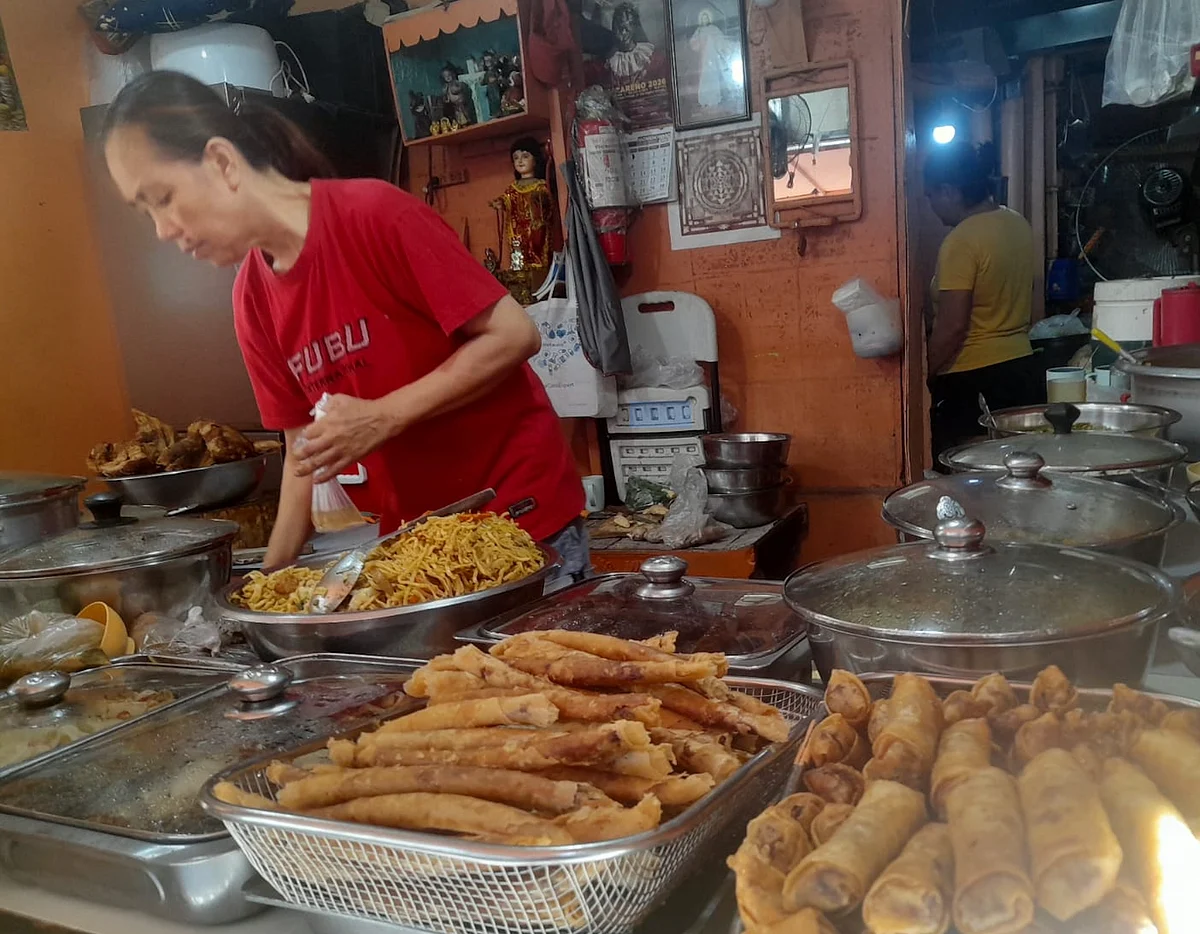
Food vendor Ramil said his customers had been buying his rice porridge less and less. He noticed that some customers who used to order twice a day now ate only once.
“Maybe because I had to increase my price by P5 (29 fils) per order,” he said, citing a rise of as much as 44 per cent in cooking gas prices since the war in the Middle East started early this year.
Ramil also announced that he was no longer extending credit to his customers. He sells each bowl for P50 (Dh2.90).
In a nearby eatery, a basic dish containing three small slices of meat had also increased in price to P80, while a small cup of rice is being sold for P20.“We give our customers extra spoonfuls of sauce to make it appear that our servings have not shrunk. But everyone in this neighbourhood knows the situation,” food vendor Joanna told Khaleej Times.
No action on inflationThe SWS survey was conducted as the Philippines recorded its highest inflation rate for the second time since the US-Israel war against Iran began in late February. Both April and September registered an alarming 7.2 per cent increase in the prices of goods and services.
Independent economic think tank Ibon Foundation squarely blamed the President Ferdinand Marcos Jr government's“inaction” on inflation.
“The government is not using its national energy emergency powers to control domestic oil prices or to cap prices of basic goods, [and has] contended with giving dole-outs to select groups,” Ibon executive director Sonny Africa said.
ALSO READ- Philippine peso hits record low of P63.15 against US dollar as inflation surges Filipino drivers launch 3-day strike as diesel hits P99 and Marcos rejects fuel tax cuts Philippine vegetable prices surge as farmers struggle with transport and storage costs

Legal Disclaimer:
MENAFN provides the
information “as is” without warranty of any kind. We do not accept
any responsibility or liability for the accuracy, content, images,
videos, licenses, completeness, legality, or reliability of the information
contained in this article. If you have any complaints or copyright
issues related to this article, kindly contact the provider above.


Comments
No comment