


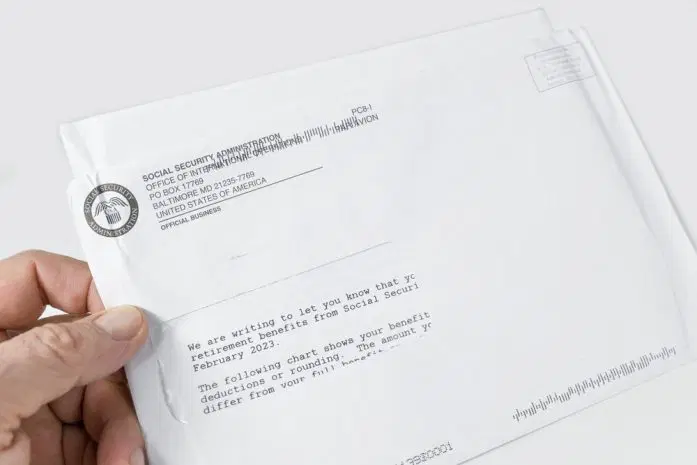
You Have 30 Days After A Social Security Overpayment Notice - Here's Why That Deadline Matters


A Social Security overpayment notice can put your monthly budget at risk, even if you believe the agency made a mistake. The 30-day deadline matters because requesting a review promptly can help protect your benefits from withholding while the agency considers your case.
The first challenge involves figuring out what the letter actually demands. Social Security may claim that you received more money than you qualified for, but that does not automatically mean its calculation is correct. A change in income, a reporting problem, or an agency error could explain the alleged debt.
Before sending money or setting the letter aside, check the deadline and the instructions. A few minutes spent reading the notice carefully could make a real difference in what happens next.
The 30-Day Clock Controls More Than a PaymentSocial Security generally waits at least 30 days after sending an overpayment notice before starting collection. If you request an appeal or waiver within that period, the agency generally pauses collection while it reviews your request. That can help prevent an unexpected reduction in the money you rely on for groceries, utilities, prescriptions, and other bills.
Consider a retiree who receives $1,800 a month and plans every bill around that deposit. A sudden reduction could force difficult choices, even if the retiree believes Social Security calculated the alleged debt incorrectly. Responding within 30 days can help prevent collection from starting before the agency considers the request.
There is one detail worth catching: the 30-day period is not the same as the deadline to appeal. Social Security generally gives you 60 days from receiving the original notice to request reconsideration. The agency typically assumes you received the letter five days after its printed date, unless you show otherwise. However, waiting until the appeal deadline approaches could leave you exposed to collection sooner.
Read the Notice Like an Accountant, Not a DetectiveThe letter should explain how much Social Security believes you owe, which months the alleged overpayment covers, and why the agency believes you received too much. It should also outline your appeal rights and repayment options. Start by comparing those details with your own records rather than guessing what triggered the problem.
A notice might identify earnings that affected disability benefits or changes in income, marital status, or living arrangements that affected eligibility. Supplemental Security Income, or SSI, has its own rules for income, resources, and living arrangements. A payment that seemed correct when it arrived does not necessarily settle whether you qualified for the full amount.
Check the months individually, especially if your circumstances changed during the period. Did Social Security count income twice? Did the agency use earnings from the wrong period? Does the amount match your payment records? Gather pay stubs, bank statements, benefit letters, and any records of changes you reported. Specific discrepancies give you a stronger starting point than a general statement that the bill looks wrong.
Two Requests Can Solve Two Different ProblemsIf you disagree with the overpayment decision, request reconsideration. Form SSA-561 lets you challenge whether an overpayment occurred or whether Social Security calculated the amount correctly. Explain the specific error and include supporting records. You do not need to accept the agency's calculation simply because the letter looks official.
A waiver addresses a different concern: whether Social Security should collect the money at all. You can request one if the overpayment was not your fault and repayment would cause financial hardship or would otherwise be unfair. Social Security may ask for details about your income, expenses, and financial resources. Unlike an appeal, a waiver has no general filing deadline, but requesting one within the first 30 days can help prevent collection while the agency considers your request.
These options can address separate issues, so do not assume that challenging the amount automatically excuses repayment. Someone might dispute the calculation, seek a waiver, or pursue both routes when the circumstances support them. Review the instructions accompanying your notice to determine which requests fit your situation.
What Happens If You Miss the Deadline?Missing the 30-day window does not automatically erase your rights. You generally have 60 days from receiving the original notice to appeal, and Social Security may accept a late appeal if you establish good cause. A waiver also remains an option after the initial 30 days. However, the agency may begin collection before resolving a request filed later.
The financial consequences can arrive before you feel ready to handle them. Social Security generally withholds 10% of a regular benefit or $10, whichever amount is greater, under its standard repayment policy. SSI recovery generally follows a different calculation, and other rules or circumstances may affect the amount. If the proposed deduction threatens your ability to pay basic bills, you can ask Social Security to reduce the recovery rate.
Do not ignore the letter because you cannot afford the bill. Contact Social Security, explain the problem, and ask about the appropriate appeal, waiver, or repayment options. Keep copies of everything you submit, along with confirmation of when the agency received it. If you mail documents, retain proof of mailing and follow the notice's submission instructions.
Treat the First 30 Days as Your Chance to ActA Social Security overpayment notice deserves prompt attention, but it does not automatically mean you must surrender money without question. Check the calculation, identify the reason for the alleged debt, and decide whether you need to challenge the decision, request a waiver, or discuss repayment. Official guidance and forms appear at SSA's overpayment resource.
If the letter leaves you confused, call Social Security at 1-800-772-1213 or contact your local office. Ask which forms apply and how to submit them before the collection deadline. Most importantly, do not confuse the 30-day collection window with the longer appeal deadline. Acting early gives you more room to address the problem before a smaller benefit check complicates your monthly budget.
Have you ever received a Social Security overpayment notice, or helped a family member respond to one? It's time to talk about it below.

Legal Disclaimer:
MENAFN provides the
information “as is” without warranty of any kind. We do not accept
any responsibility or liability for the accuracy, content, images,
videos, licenses, completeness, legality, or reliability of the information
contained in this article. If you have any complaints or copyright
issues related to this article, kindly contact the provider above.


Comments
No comment