


UAE, Saudi Arabia Withstand Regional Conflict Shock, Says IMF


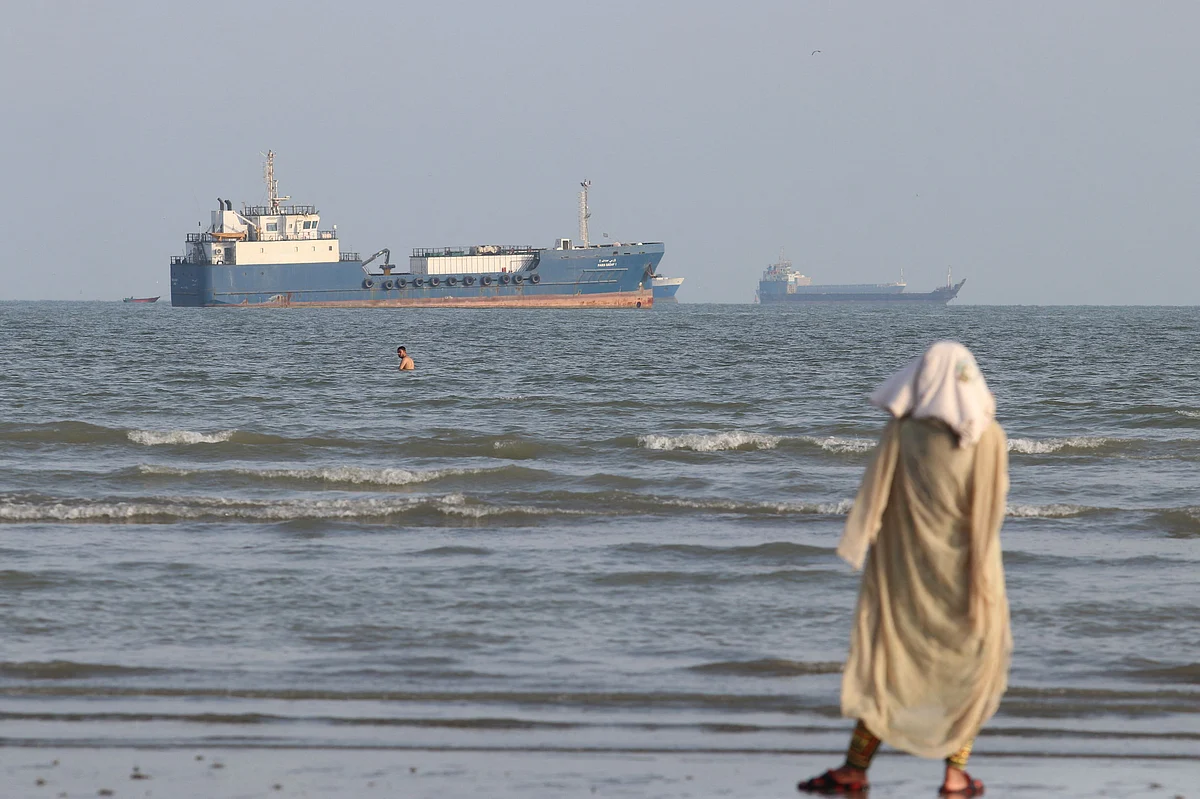
The disruption to the Strait of Hormuz is the largest oil shock in at least five to six decades, the fund said.
Recommended For YouThe wider Gulf Cooperation Council (GCC) economy is set to shrink by 4.8 per cent this year before rebounding by about 9 per cent in 2027.
Stay up to date with the latest news. Follow KT on WhatsApp Channels.
Jihad Azour, director of the IMF's Middle East and Central Asia Department, said the outlook was“extremely challenging” because economies across the region were“moving in different directions”.
Regional economies have been affected by the conflict in the Middle East involving the US, Israel and Iran. Following US and Israeli attacks on Iran, Tehran has targeted Gulf countries with missiles and drones.
More recently, Yemen's Houthi group has targeted Saudi Arabia with missiles and drones, particularly the kingdom's airports.
Three groups within the GulfAzour said the GCC could be divided into three groups.
Saudi Arabia and the UAE have access to different export channels and the buffers to absorb the shock, he said.
Oman sits outside the strait and was largely spared.
Kuwait and Qatar, along with Iraq and Iran, were hit hardest because of their limited ability to bypass the strait and their narrower fiscal space, he said.
Azour said reserves held outside the region, the ability to redirect flows and adjustments in the market had helped reduce the impact of the shock on prices.
The 2027 rebound assumes trade and shipping return to normal in the first quarter of 2027, with exports normalising gradually around mid-year. Oil prices are expected to stay above the IMF's April projections but ease over time.
Azour said Qatar had accelerated the rebuilding of gas capacity damaged in the conflict, cutting the expected recovery from three years to about a year and a half.
The fund does not expect a full return to the pre-war path, however. Azour said Gulf output would still be below its pre-war trajectory in 2030, citing lasting damage to some sectors, disrupted infrastructure and the extra spending needed to build resilience. Economies with strong buffers, institutions and diversified bases would recover fastest, he said.
Asia ties deepen, Gulf aid continuesSpeaking during a media briefing in Bangkok on Thursday, Azour said the disruption had exposed how much the region and Asia depend on each other, with Asia the main destination for the region's energy exports.
He expects ties to deepen into joint infrastructure, technology and artificial intelligence projects. Financial links between Gulf centres and those in Hong Kong and Singapore are also growing in cross-border payments, fintech and investment, he said.
Asked whether the damage to Gulf economies could curb the funding the Gulf states provide to other countries, Azour said there had been no decline in regional assistance so far. He pointed to Saudi support for Pakistan, continued backing for Egypt and additional UAE support for Jordan.
PrioritiesThe IMF set out three priorities for policymakers. The first is to protect price stability while preserving fiscal sustainability, with monetary policy as the first line of defence against inflation.
The second is to rebuild fiscal buffers through stronger domestic revenue, more efficient spending and robust financial frameworks. The IMF urged governments to avoid broad-based subsidies and instead use targeted, temporary and budget-neutral cash transfers. The third is to strengthen capacity to withstand future shocks.
Azour said tighter global financial conditions could weaken demand, raise borrowing costs and spur currency pressures, particularly for economies with large financing needs. Low-income and fragile economies, which depend heavily on food imports and face falling official development assistance, are especially exposed.
Since 2020, the IMF has approved about $48 billion in financing for countries in the Middle East and Central Asia and Caucasus regions. It delivered 437 technical assistance and capacity development projects across 31 countries in fiscal year 2026.
ALSO READ- UAE, Oman finances strengthen as high oil prices offset regional conflict impact IMF cuts 2026 global growth to 3% on Middle East war UAE poised for rebound as oil exports recover, fiscal buffers cushion war shock

Legal Disclaimer:
MENAFN provides the
information “as is” without warranty of any kind. We do not accept
any responsibility or liability for the accuracy, content, images,
videos, licenses, completeness, legality, or reliability of the information
contained in this article. If you have any complaints or copyright
issues related to this article, kindly contact the provider above.


Comments
No comment