


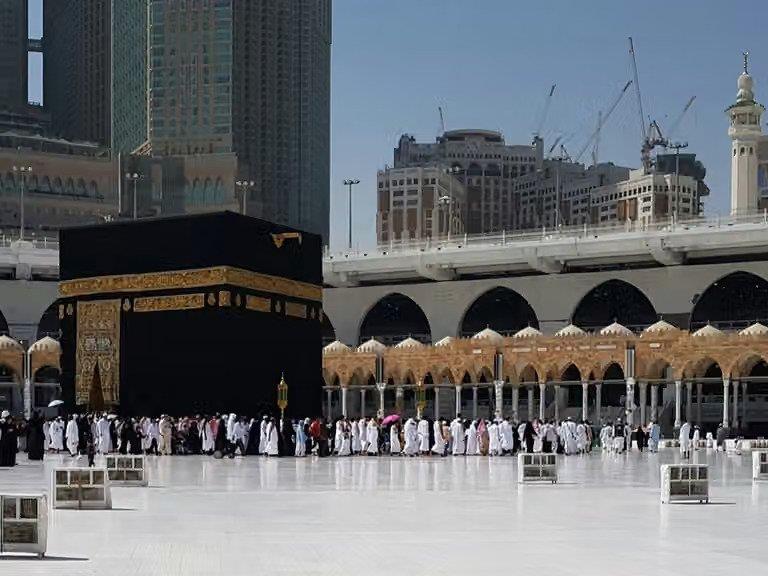
Houthi Attacks Disrupt Saudi Flights, Affecting Pilgrims Travelling To Mecca And Medina


Yemen's army said the Houthis launched 14 ballistic missiles and several drones at populated areas along Saudi Arabia's western coast, including locations in Taiz and Hodeidah provinces. The army also claimed it intercepted and destroyed several drones over the western coast and the Taiz front.
The escalation follows a deadly missile strike on King Khalid International Airport in Riyadh on Saturday, October 10, which Saudi authorities said killed 13 people and injured more than 300. Footage released after the attack showed passengers wearing the white garments associated with Muslim pilgrims travelling to Mecca. A Bangladeshi imam leading a group of pilgrims was among those killed, according to media reports.
The Houthis have warned airlines, airport workers and travellers to avoid Saudi airports and airspace, while saying the airports serving Mecca and Medina would be excluded from their campaign. The group has described its attacks as retaliation for Saudi military operations against Houthi positions in Yemen. The warning has heightened anxiety among pilgrims and prompted some travellers to change or delay their plans.
A further attack struck Riyadh's airport on Sunday, killing one person and injuring 11 others, according to Saudi authorities. Flight operations were disrupted as officials assessed the damage. The repeated strikes have also affected other travel and commercial activities, while some foreign governments have advised their citizens to exercise caution when travelling through Saudi airports.
Saudi Arabia has responded with airstrikes against Houthi-held sites in Yemen. On Tuesday, Saudi strikes targeted oil depots and facilities near Sanaa and at Ras Isa port, while the Houthis launched missiles towards Dhahran, home to Saudi Aramco's headquarters, according to reports. Saudi air defences intercepted some incoming threats, although the exchange has increased concerns about attacks on critical infrastructure.
The renewed violence is also affecting pilgrims travelling for Umrah, which can be performed throughout the year, unlike the annual Hajj pilgrimage. Some travellers have sought alternative routes through Jeddah or neighbouring countries, including Qatar and the United Arab Emirates. A transport representative told Reuters that fares from Riyadh to Doha and Dubai had doubled amid increased demand for overland travel.
Saudi officials have sought to reassure visitors that the country remains safe and that protecting pilgrims and travellers is a priority. However, continued attacks on airports and energy infrastructure have raised fresh questions about the kingdom's air defences and the risk of further disruption to regional aviation and energy markets.
The latest exchanges mark a sharp escalation in the conflict involving the Houthis and Saudi-backed Yemeni forces. With the Houthis threatening further attacks and Saudi Arabia carrying out retaliatory strikes, the risk of a broader confrontation remains a concern for civilians, international travellers and regional security.

Legal Disclaimer:
MENAFN provides the
information “as is” without warranty of any kind. We do not accept
any responsibility or liability for the accuracy, content, images,
videos, licenses, completeness, legality, or reliability of the information
contained in this article. If you have any complaints or copyright
issues related to this article, kindly contact the provider above.


Comments
No comment