


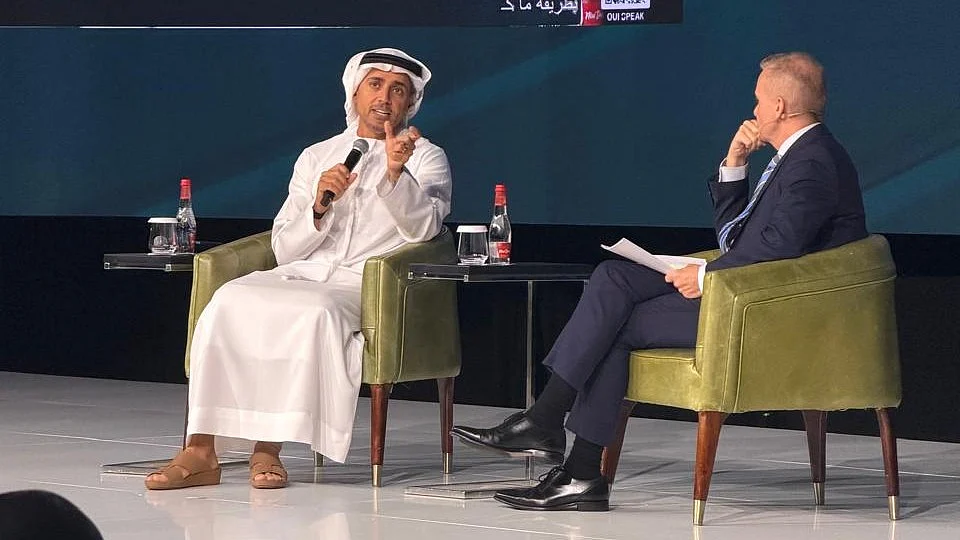
Dubai Shifts Focus To Quality Tourists, Long-Term Investors As It Plans For 2027


Issam Kazim, CEO of the Dubai Corporation for Tourism and Commerce Marketing (DCTCM), said the focus was shifting towards attracting visitors who spend more, return regularly and see opportunities to establish a life or business in the city.
Recommended For You“The biggest value would be the quality rather than the quantity,” Kazim said during a discussion on Dubai's tourism and economic outlook.
Stay up to date with the latest news. Follow KT on WhatsApp Channels.
He said visitors who understood the value Dubai offered were more likely to become loyal supporters of the destination. Around 25 per cent of visitors return to Dubai within 12 months, he added, highlighting the importance of repeat tourism.
The strategy reflects a broader evolution in Dubai's ambitions. While leisure tourism remains important, the emirate is increasingly positioning itself as a place where visitors can pursue careers, establish businesses and raise families.
“Today, if you consider many cities around the world, Dubai is one of the top destinations for people seeking either to start their career or to start their family,” Kazim said, pointing to the infrastructure and environment the city provides.
From tourists to future residentsDubai's approach to attracting international audiences has evolved beyond traditional destination marketing, which often relied on large advertising campaigns, social media imagery and influencers.
Kazim said the emirate was increasingly focusing on building direct relationships with high-net-worth individuals, family offices and international business communities through targeted events and personal engagement.
“It's no longer about celebrities and influencers and big advertising campaigns. Yes, they have a role to play,” he said.
He added that communications, public relations, and smaller, targeted events could have a greater long-term impact by allowing Dubai to engage directly with influential individuals and their professional networks.
The aim is to encourage people who already have connections with the emirate to share their experiences and introduce others to the opportunities available in the city.
Addressing the impact of recent regional disruption, Kazim said the UAE government had done a phenomenal job of ensuring residents felt safe.
He stressed that providing security was only part of the equation, with public confidence equally important in encouraging people to remain in the country and continue making long-term plans.
Kazim pointed to the resumption of schools and activity in the rental market as signs that confidence is returning. According to figures he shared, more than 400,000 new student registrations took place when schools resumed in September, while newly opened schools added around 17,000 student places. He also cited nearly 300,000 new Ejari rental contracts.
Hotels continue to invest in DubaiDubai's hospitality sector is seeing a combination of expansion and refurbishment as hotel operators work to maintain standards and prepare for future demand.
Kazim said private-sector companies had responded quickly to the disruption, using the period to advance projects and improve existing infrastructure.
“Honestly, I have to give credit to the private sector because they were very quick on their feet to think about, 'Let's utilise this opportunity to catch up,'” he said.
He explained that maintaining hotel quality and service standards was essential because visitors arrived with clear expectations of what Dubai offered.
Kazim also cited conversations with international hospitality executives as evidence of continued confidence in the emirate. He recalled meeting the chief executive of a major hotel group who visited Dubai at the beginning of the disruption before returning to attend a board meeting.
The executive subsequently expressed confidence in the market and considered further investment, Kazim said.
More recently, Hilton's global chief executive visited Dubai for a wider regional conference, he added, describing the engagement as another indication of confidence among international hospitality leaders.
Investment is expected to take different forms, including new developments and the refurbishment of existing properties, as operators work to ensure their infrastructure remains competitive.
Logistics remains central to Dubai's growthBeyond tourism and hospitality, Dubai is strengthening its position as an international business hub, with logistics among the sectors receiving renewed attention.
Kazim said the emirate was working closely with DP World to reinforce logistics as a core pillar of its economy, alongside manufacturing, financial services, global headquarters and tourism.
He explained that businesses establishing operations in Dubai look not only at the local population but also at the emirate's access to international markets.
“When people relocate to Dubai or open their headquarters in Dubai, it's not because they're looking at the 4.8 million residents of Dubai,” he said.
Instead, companies are attracted by Dubai's ability to connect them with a much wider international customer base. Kazim said the emirate's geographic position lets businesses reach a significant share of the world's population on a relatively short flight.
He added that these industries were not new to Dubai. Instead, the emirate was reinforcing sectors where it already had established strengths while adapting its priorities to changing regional and global conditions.
Dubai addresses concerns over property supplyThe discussion also raised the outlook for Dubai's property market, with an investor asking how the emirate would manage the possibility of numerous developments being completed around the same time.
The concern was whether a large volume of new properties could outpace demand amid the current regional situation.
In response, Kazim said Dubai had faced similar questions during previous economic cycles, when concerns about oversupply later gave way to reports of rising demand, limited availability, and increasing prices.
He said the emirate's development approach was based on long-term planning rather than speculation.
“What's key for us is that we never, ever built on a hunch. We've always built based on the strategy that we have in place,” he said.
Kazim added that the government developed strategies in consultation with the private sector, with regular meetings helping officials understand the challenges businesses faced and shape plans accordingly.
ALSO READ- Dubai real estate defies geopolitical turbulence Foreign travel advisories easing, boosting visitor confidence, says Dubai official UAE real estate emerges as world's top long-term investment hub amid resilient, data-backed growth

Legal Disclaimer:
MENAFN provides the
information “as is” without warranty of any kind. We do not accept
any responsibility or liability for the accuracy, content, images,
videos, licenses, completeness, legality, or reliability of the information
contained in this article. If you have any complaints or copyright
issues related to this article, kindly contact the provider above.


Comments
No comment