


Delhi Cabinet Approves Industrial Policy 2026 For A Modern Hub


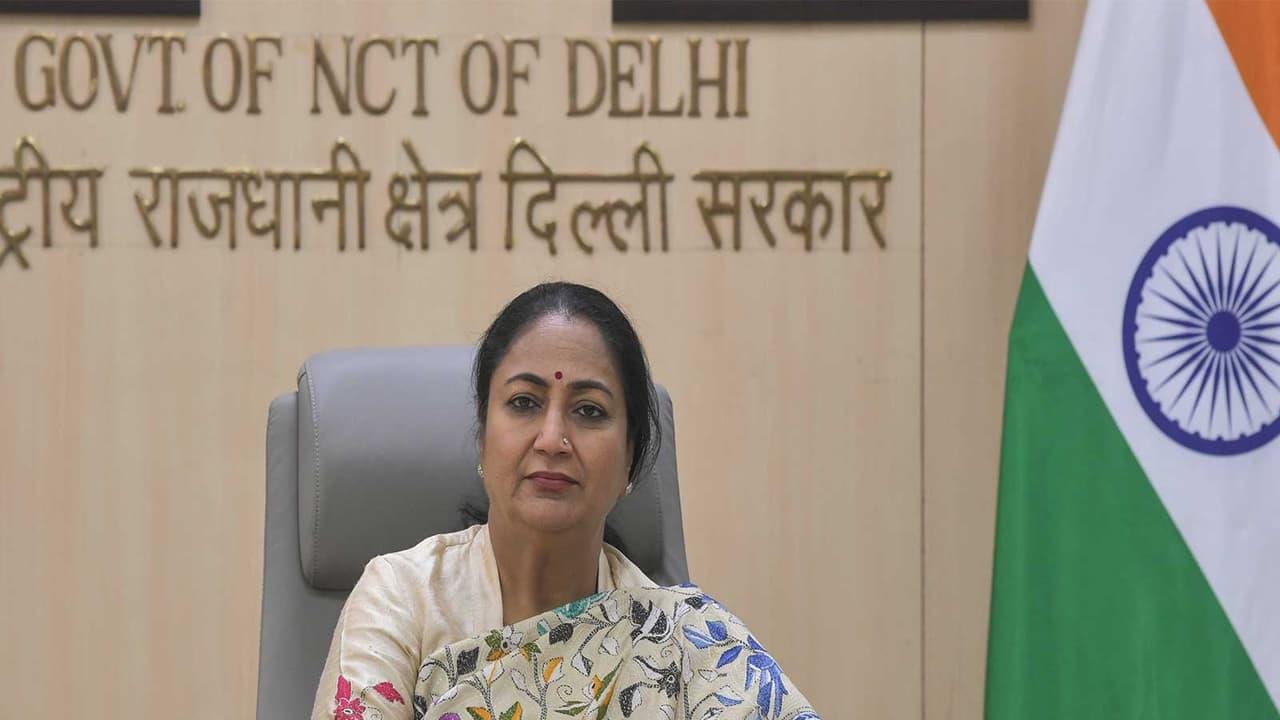
The Delhi government, under the leadership of Chief Minister Rekha Gupta, has taken a step towards developing the capital into a clean, modern and technology-driven industrial hub.
According to a press release, at a Cabinet meeting chaired by the Chief Minister on Tuesday, the Delhi Industrial Policy 2026 was approved. The policy aims to promote clean, high-value industries and knowledge- and technology-based businesses over the next 10 years. It provides for an expenditure of Rs 1,000 crore on the Mukhyamantri Udyamshree Yojana over five years, from the financial year 2026-27 to 2030-31. The objective is to encourage new industries and create more employment opportunities.
Delhi Industrial Policy 2026: Aims and Objectives
CM Gupta said the Delhi Industrial Policy 2026 aims to position the capital as a major hub for advanced technology, Global Capability Centres, data centres, research and development, healthcare services, urban logistics, the circular economy and advanced manufacturing. The policy will promote clean, high-value industries, attract fresh investment, modernise existing industries, encourage women entrepreneurs and expand employment opportunities for young people, the release said.
Sector-Specific Incentives and Support
She said incentives would be tailored to the needs of the 10 priority sectors, covering capital investment, office or workspace rentals, new recruitment, research, certification, technological modernisation, energy efficiency and skill development. The policy will also encourage resource reuse and waste reduction.
Incentives for Technology and R & D
According to the release, a 25 per cent incentive on digital infrastructure investment, up to Rs 10 crore (Rs 12 crore for women), will be available for three years. Office rental assistance of 40 per cent, up to Rs 2 crore, will also be provided for three years. Bandwidth and cloud services will qualify for 25 per cent assistance for two years, capped at Rs 10 lakh annually. An incentive of Rs 40,000 to Rs 50,000 will be provided for each new hire.
A 25 per cent incentive on digital infrastructure investment, up to Rs 50 crore (Rs 60 crore for women), will be available for five years. Office rental assistance of 40 per cent, capped at Rs 2 crore, will be provided for two years. Each new hire will qualify for an incentive of Rs 1 lakh to Rs 1.2 lakh.
The policy also provides 50% assistance for certification, up to Rs 25 lakh; a 30 per cent incentive for research and development, up to Rs 5 crore; and 25 per cent assistance for units developing workspaces, up to Rs 10 crore.
A 25 per cent incentive on capital investment, up to Rs 10 crore (Rs 12 crore for women), will be available. The policy provides 30 per cent assistance for low-water-consumption cooling systems, capped at Rs 2 crore; 50 per cent assistance for certification and data security-related expenses, up to Rs 50 lakh; and 50 per cent assistance for regulatory compliance preparedness, up to Rs 25 lakh.
The release added that a 25 per cent incentive on capital investment, up to Rs 10 crore (Rs 12 crore for women), will be available. Research activities will qualify for a 50 per cent grant, capped at Rs 50 lakh. Patent-related assistance will cover 25 per cent of the cost, up to Rs 5 lakh per patent, for a maximum of four patents. A 25 per cent incentive for laboratory accreditation-related expenses, up to Rs 25 lakh, will also be provided.
Healthcare Services
A 25 per cent incentive on capital investment, generally capped at Rs 10 crore (Rs 12 crore for women), will be available. Hospitals with 1,000 or more beds will be eligible for assistance of up to Rs 100 crore. Wellness activities will qualify for a 5 per cent incentive, up to Rs 1 crore, while certification by bodies such as NABH, NABL and JCI will receive 50% assistance, capped at Rs 20 lakh. Each new appointment of a specialist doctor will qualify for an incentive of Rs 50,000 to Rs 60,000.
Urban Logistics and Warehousing
The release said that the new warehousing units will receive a 25 per cent incentive, up to Rs 10 crore (Rs 12 crore for women), while existing units will be eligible for 25 per cent assistance, capped at Rs 1 crore. Cold-chain facilities will qualify for a 25per cent incentive, up to Rs 2 crore. Technology adoption in logistics will receive 40 per cent assistance, capped at Rs 50 lakh, while the use of green energy will qualify for a 25 per cent incentive, up to Rs 2 crore.
Circular economy and waste management
Recycling units will receive a 25per cent incentive, up to Rs 1 crore. Units processing more than 10 tonnes of organic waste per day will qualify for 25 per cent assistance, up to Rs 1 crore (Rs 1.2 crore for women). E-waste management will receive a 25 per cent incentive, capped at Rs 2 crore, while environmental certification will qualify for 50 per cent assistance, up to Rs 10 lakh. These provisions aim to improve waste management, promote recycling and encourage the reuse of resources.
Advanced Manufacturing and Skill Development
Furthermore, a 25 per cent incentive on capital investment, up to Rs 5 crore (Rs 6 crore for women), will be available. Rental assistance of 20 per cent, capped at Rs 50 lakh annually, will be provided for two years. Additional assistance towards apprentices' stipends will also be available for six months.
A 25 per cent incentive for skill development infrastructure, up to Rs 2 crore, will be available, subject to a minimum investment of Rs 50 lakh. The establishment of Centres of Excellence will also qualify for 25 per cent assistance, capped at Rs 2 crore, with a minimum investment requirement of Rs 75 lakh, it added.
A 25 per cent incentive for technological modernisation, up to Rs 5 crore (Rs 7 crore for women), will be available. A 25 per cent incentive for improving energy efficiency and installing rooftop solar systems, capped at Rs 50 lakh, will also be provided. Additional assistance towards apprentices' stipends will be available for six months. These provisions are intended to help MSMEs adopt modern technology, increase production capacity and save energy.
Empowering Women Entrepreneurs and Employees
The release added that under the 2026 policy, women-led enterprises across all priority sectors will be eligible for higher incentive ceilings. Women-led micro, small and medium enterprises (MSMEs) will receive additional support for business modernisation and expansion. Employers hiring women will receive higher incentives for each woman recruited. Women and young people will also receive special attention under skill development programmes. These provisions aim to expand business and employment opportunities for women entrepreneurs and employees.
Streamlined Investment with 'Invest Delhi'
Under the Delhi Industrial Policy 2026, Invest Delhi will function as a dedicated government agency to assist investors and promote investment. It will serve as a single point of contact, guiding investors from initial information and suitable site selection to securing necessary approvals, the disbursal of approved incentives and the resolution of grievances, the release said. The system, which will operate through the Delhi Udyog Mitra Portal, is designed to make approval processes faster, simpler and more transparent, while helping investors establish and operate their projects.
Leveraging Delhi's Strengths for Economic Growth
The Chief Minister said the Delhi Industrial Policy 2026 aims to create more employment opportunities by attracting new investment, modernising existing MSMEs, redeveloping industrial areas, expanding priority industries and strengthening skill development programmes. As the national capital, Delhi has several advantages, including the presence of regulatory institutions, corporate headquarters, reputed colleges and research centres, a skilled workforce and proximity to large markets. The policy seeks to leverage these strengths to develop Delhi into a clean, compact and knowledge-based industrial and business hub, the release said.
CM Gupta said the policy focuses on making better use of the capital's economic potential by encouraging advanced technology, research, specialised services and high-value-added industries, the release said. Over the next 10 years, it aims to create an investment-friendly environment, provide necessary support to entrepreneurs, promote women-led enterprises and generate new employment opportunities for young people. It will also seek to steer Delhi's industrial economy towards a more modern, cleaner and knowledge-based model. (ANI)
(Except for the headline, this story has not been edited by Asianet Newsable English staff and is published from a syndicated feed.)
Legal Disclaimer:
MENAFN provides the
information “as is” without warranty of any kind. We do not accept
any responsibility or liability for the accuracy, content, images,
videos, licenses, completeness, legality, or reliability of the information
contained in this article. If you have any complaints or copyright
issues related to this article, kindly contact the provider above.


Comments
No comment